Fitness and Nutrition Guide
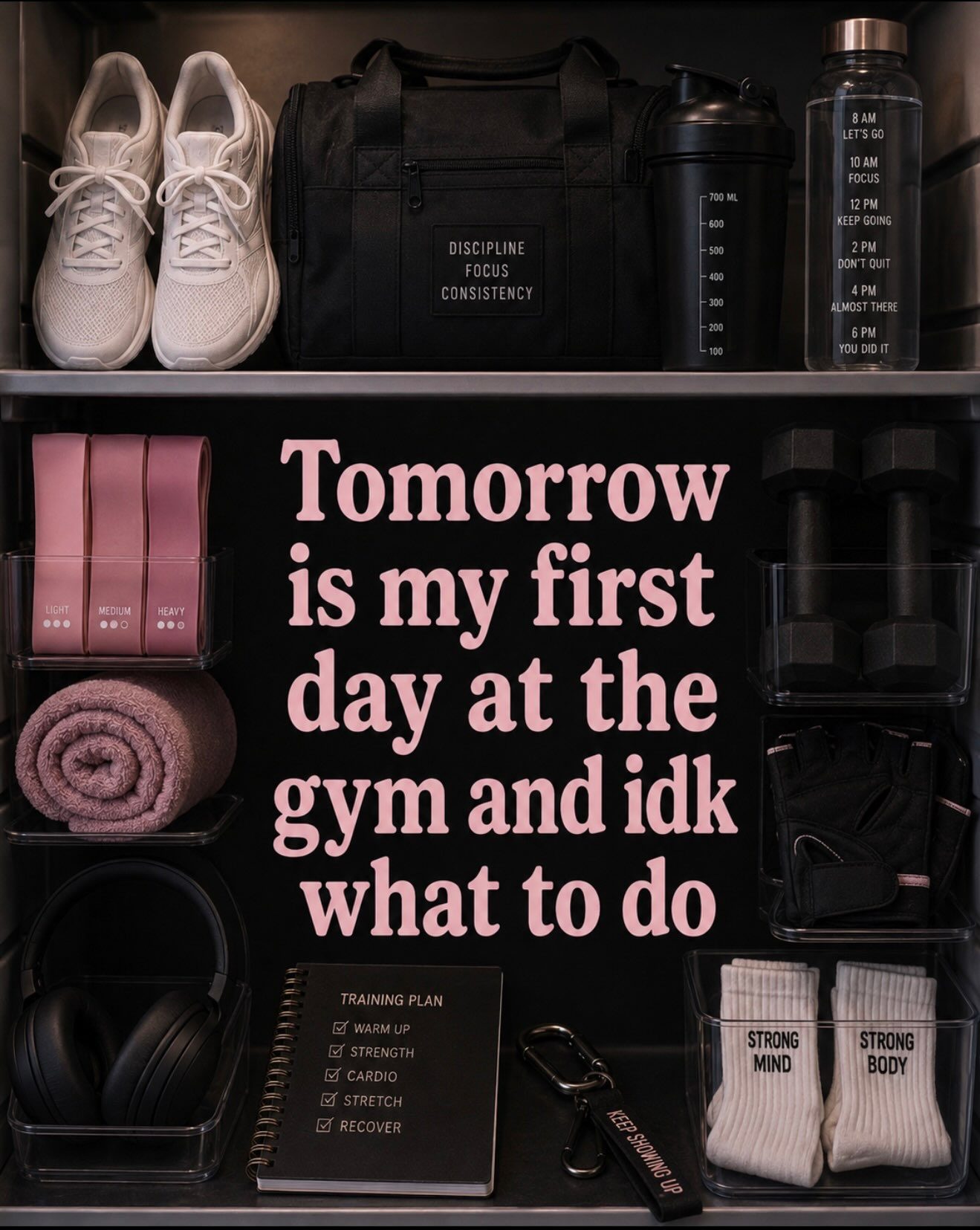
First days in the gym can be intimidating, especially for beginners. The uncertainty of what to do, how to use the equipment, and whether you are doing enough can be overwhelming. Let's dive into a comprehensive guide to help you navigate through the initial stages of your fitness journey effectively.
Why this matters
Embarking on a fitness journey is a significant step towards improving overall health and well-being. Starting right can make a substantial difference in how you progress and maintain your fitness routine. By understanding the fundamentals of exercise and nutrition, you can set a solid foundation for long-term success.
Main Discussion
Getting Started
Choosing a Simple Plan
Begin with a straightforward plan that you can stick to. For instance, a 5-day split routine gives each muscle group adequate attention. However, if that sounds too daunting, starting with 3-4 days a week is perfectly fine. The key is consistency. A routine that you can repeat regularly is far better than an ideal plan that you can't maintain.
Form Before Weight
When starting, focus on mastering the correct form before adding heavy weights. Use light resistance and move slowly to understand the full range of motion. Machines can be incredibly helpful in the initial stages, making your sessions more comfortable and less intimidating.
Cardio and Your Workout
Cardio is a crucial component of any fitness routine. For beginners, daily walks and a few short, low-intensity cardio sessions are sufficient. These activities should support your strength training rather than exhaust you. Avoid high-intensity interval training (HIIT) as a beginner, as it can be too demanding and may lead to injury or burnout.
Strength Training
Using Cardio to Support Strength
Cardio should complement your strength training. It helps in building endurance and improves your overall fitness level. Low-intensity cardio, such as brisk walking or cycling, is ideal for beginners. It allows you to stay active without overtaxing your muscles.
Don't Overdo HIIT
High-intensity interval training (HIIT) is not recommended for beginners. It is a demanding form of exercise that requires a good level of fitness and can lead to overtraining if not approached correctly. Instead, focus on building a solid base of strength and endurance with more moderate exercises.
Nutrition
Balanced Nutrition Plan
A balanced diet is essential for supporting your fitness journey. Ensure that each meal includes a good source of protein (25-35g per meal), carbohydrates to fuel your workouts, and a variety of fruits and vegetables. Staying hydrated is also crucial; aim for 2-3 liters of water daily.
The Role of Carbohydrates
Carbohydrates are often misunderstood and demonized in fitness circles. However, they are a vital source of energy, especially for high-intensity workouts. Consuming carbohydrates before and after your workouts can help improve your performance and recovery.
Incorporating Fruits and Vegetables
Fruits and vegetables are packed with essential vitamins and minerals that support overall health and fitness. Aim for 1-2 fistfuls of fruits and vegetables per day. These can be incorporated into your meals or enjoyed as snacks.
Hydration and Recovery
Staying Hydrated
Hydration is a critical aspect of any fitness routine. Ensure you drink plenty of water throughout the day, especially around your workouts. Adequate hydration helps in maintaining energy levels, aiding in recovery, and preventing muscle cramps.
Recovery Days
Recovery days are as important as workout days. Your muscles need rest, proper nutrition, hydration, and sleep to grow stronger. Don't view rest days as a setback; they are a necessary part of your fitness journey. Listening to your body and taking rest when needed can prevent injuries and ensure you stay motivated.
Tracking Progress
Consistency and progressive overload are key to seeing results. Keep the same basic exercises for several weeks, focusing on improving technique before gradually increasing the weight or reps. These small improvements add up over time, leading to noticeable gains.
Practical Tips
- Start Slow: Begin with a simple routine that you can maintain consistently. As you get more comfortable, gradually increase the intensity and duration.
- Focus on Form: Proper form is crucial for preventing injuries and getting the most out of your exercises. Use lighter weights and focus on the full range of motion.
- Incorporate Cardio: Low-intensity cardio activities like walking or cycling can support your strength training and improve overall fitness.
- Eat Balanced Meals: Ensure each meal includes protein, carbohydrates, and lots of fruits and vegetables. Stay hydrated by drinking 2-3 liters of water daily.
- Rest and Recover: Give your body time to recover between workouts. Adequate rest, proper nutrition, and hydration are essential for muscle growth and repair.
Important Takeaways
Your first day at the gym doesn't need to be perfect; it just needs to happen. By following a simple plan, focusing on form, incorporating cardio, and maintaining a balanced diet, you can build a solid foundation for your fitness journey. Remember, consistency is key, and progress takes time. Don't be afraid to ask for help or seek guidance when needed.
Conclusion
Embarking on a fitness journey can be both exciting and challenging. By understanding the basics of exercise and nutrition, you can set yourself up for long-term success. Remember to start slow, focus on form, and prioritize recovery. With the right approach and consistent effort, you'll see progress and enjoy the benefits of a healthier, more active lifestyle.
Watch the Reel
Questions readers ask
What should I expect on my first day at the gym?
On your first day at the gym, expect to feel a bit overwhelmed but excited. You'll likely learn about the layout, meet some gym staff or personal trainers, and try out a few machines or exercises. Don't worry about doing everything perfectly; focus on familiarizing yourself with the environment and starting slow.
How can I create a beginner fitness plan?
Start with a simple plan that includes both cardio and strength training. Aim for 2-3 days a week of full-body workouts, with exercises like squats, lunges, push-ups, and dumbbell rows. Include 15-20 minutes of low-impact cardio, such as brisk walking or cycling, to warm up and cool down.
What are some good gym workout tips for beginners?
First, focus on proper form to avoid injury. Start with bodyweight exercises or light weights. Gradually increase intensity as you gain confidence and strength. Don't forget about hydration and rest; drink plenty of water and take at least one rest day between workouts.
How can I support my workout routine with a gym nutrition plan?
A balanced nutrition plan is crucial. Consume a mix of lean proteins, whole grains, and plenty of fruits and vegetables. Stay hydrated, especially on workout days. Avoid processed foods and sugars, and consider consulting a professional for personalized advice.
What should I do if I feel nervous on my first day at the gym?
It's normal to feel nervous your first day at the gym. Arrive early to explore the equipment and meet the staff. Bring headphones and listen to your favorite music to stay motivated. Consider bringing a friend or hiring a trainer for a few sessions to build confidence.
How often should I go to the gym as a beginner?
As a beginner, aim for 3-4 visits per week, with at least one rest day between strength training sessions. This gives your muscles time to recover. Remember, consistency is key, so find a schedule that works for you and stick with it.
What types of cardio are good for beginners?
Good beginner cardio options include brisk walking, cycling, or swimming. These low-impact exercises are gentle on your joints and allow you to gradually increase intensity. Aim for 20-30 minutes, 2-3 times a week, to build a solid fitness base.
Recent articles
Fresh deep dives from the latest Reels we unpacked.




Comments
Be the first to comment.