Rescue, Reward, and Controversy: The story of the Pewsey Firefighters and the Pigs
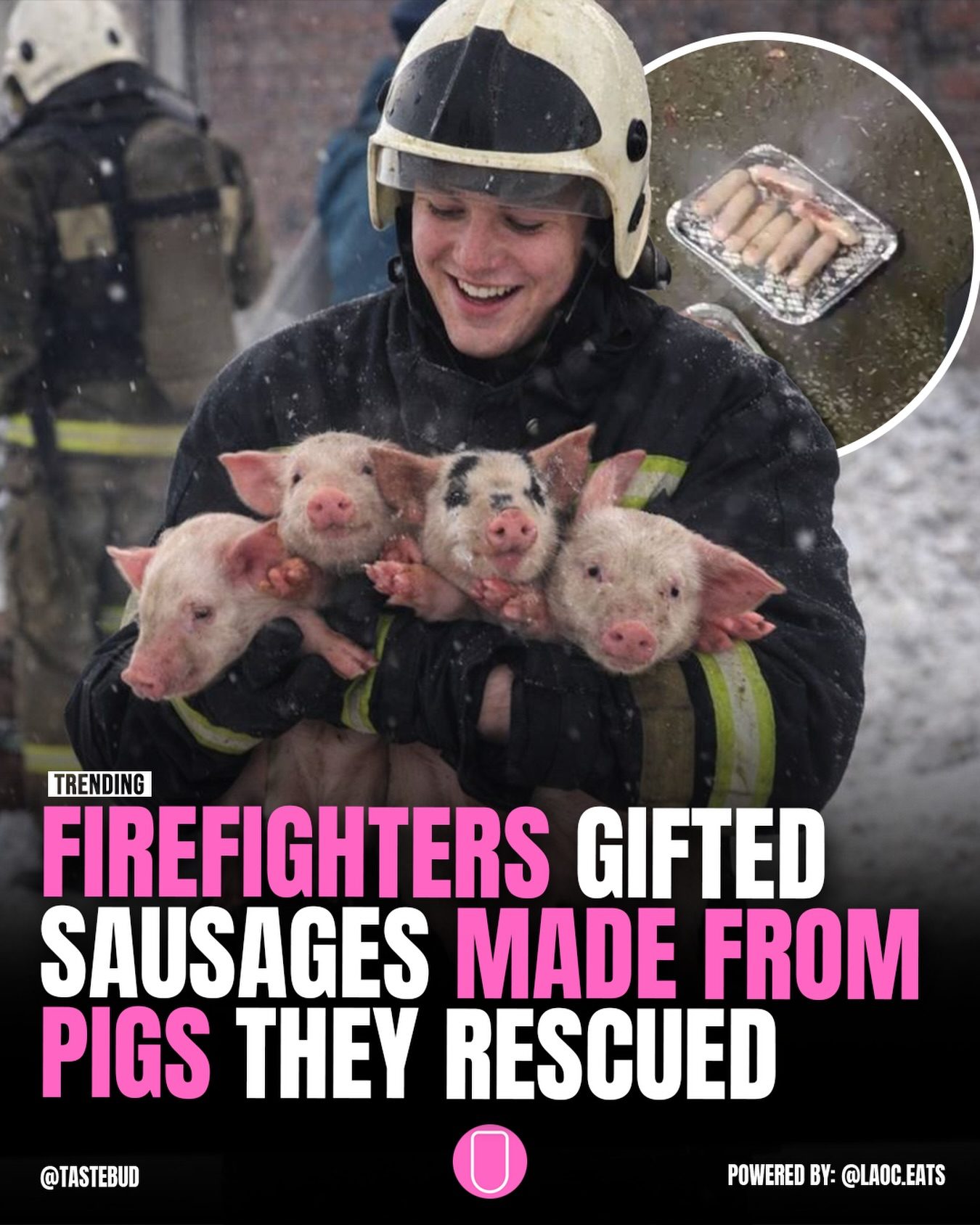
In 2017, firefighters from Pewsey in Wiltshire, England found themselves in the midst of an unusual story. After rescuing 18 piglets and two sows from a barn fire, the firefighters were later gifted sausages made from the same animals by the farmer. This gesture, though intended as a token of gratitude, sparked a significant backlash from animal rights groups. This story raises several important points about animal rescue, food production, and the complexities of agricultural practices.
Why this matters
The story of the Pewsey firefighters and the rescued pigs offers a unique perspective on the intersection of animal welfare, agricultural practices, and public sentiment. It highlights the challenges and controversies that can arise from well-intentioned gestures and the complexities of modern farming. Understanding this story provides insights into the broader issues surrounding animal rescue, food production, and the ethical considerations of farming practices.
The rescue and the aftermath
The incident began with a barn fire in Pewsey, Wiltshire, where firefighters successfully rescued 18 piglets and two sows. Six months later, the farmer, as a gesture of thanks, gifted the firefighters sausages made from the same pigs. The firefighters shared these sausages during a barbecue, a moment they initially found heartwarming and a fitting tribute to their bravery.
The story quickly went viral, drawing the attention of animal rights groups, some of whom criticized the gesture. These groups argued that the act of eating the very animals the firefighters had saved was ironic and insensitive. The farmer, however, defended the gesture, explaining that the pigs were part of a working farm and that their fate was predetermined.
The fire station, in response to the public outcry, eventually deleted the original social media post and issued an apology. This action underscores the sensitive nature of the issue and the importance of public perception in such matters.
The complexities of agricultural practices
The story of the Pewsey firefighters highlights the intricate and often contentious nature of agricultural practices, particularly in the context of animal farming. For many farmers, the raising of animals for food is a way of life and a critical component of their livelihood. The pigs in question were part of a working farm, where their ultimate purpose was to provide food.
However, this narrative does not always align with the public's expectations or sensitivities, especially in an age where animal welfare and ethical farming practices are increasingly scrutinized. The backlash against the firefighters' story illustrates the growing awareness and concern among the public regarding how animals are treated and raised for consumption.
Ethical considerations in animal rescue
Animal rescue operations, while often seen as heroic acts, can also raise ethical questions. In the case of the Pewsey firefighters, their actions were driven by the immediate need to save animals from a dangerous situation. However, the subsequent use of these animals for food has called into question the broader implications of such rescues.
The ethical considerations here are multifaceted. On one hand, the pigs were rescued from a fire, an act that undoubtedly saved their lives in the short term. On the other hand, their eventual fate—being turned into sausages—raises questions about the purpose and ethics of animal rescue, particularly when the animals are ultimately destined for consumption.
The public's role in agricultural debates
The public outcry over the story of the Pewsey firefighters underscores the growing role of public opinion in shaping debates around agricultural practices. Animal rights groups and concerned citizens have become more vocal about the treatment of animals in farming, often advocating for more ethical and humane practices.
This heightened awareness has led to increased scrutiny of agricultural operations and has put pressure on farmers and food producers to adopt more transparent and ethical practices. The backlash against the firefighters' story is just one example of how public sentiment can influence the way we think about and approach animal welfare and food production.
Practical tips for handling controversial situations
For firefighters and other public servants, navigating such controversial situations can be challenging. Here are some practical tips for handling similar scenarios:
Communicate openly and honestly
Transparency is key when dealing with the public. Providing clear and honest information about the situation can help mitigate misunderstandings and reduce backlash. In the case of the Pewsey firefighters, a more detailed explanation of the context and the farmer's intentions might have helped to temper the public's reaction.
Consider the ethical implications
Public servants should consider the ethical implications of their actions and how they might be perceived by the broader community. In situations involving animals, it is important to think about the potential for controversy and to handle such scenarios with sensitivity and care.
Be prepared for public reaction
Public figures and organizations should be prepared for a range of reactions, including criticism and backlash. Having a plan in place for responding to such reactions can help mitigate potential damage to reputation and public trust.
Important takeaways
Understanding context is crucial
The story of the Pewsey firefighters highlights the importance of understanding the broader context of agricultural practices and animal rescue operations. It is essential to recognize the complexities and ethical considerations involved in these activities and to approach them with sensitivity and awareness.
Public sentiment shapes debates
Public opinion plays a significant role in shaping debates around animal welfare and food production. Understanding and addressing public concerns can help to foster more ethical and humane practices in agriculture.
Communication and transparency matter
Clear and honest communication is essential for managing public reactions and building trust. Being transparent about the context and intentions behind actions can help to mitigate misunderstandings and reduce controversy.
Conclusion
The story of the Pewsey firefighters and the rescued pigs offers a unique perspective on the complexities of animal rescue, agricultural practices, and public sentiment. It underscores the need for clear communication, ethical considerations, and a deep understanding of the broader context in which these issues are situated. As we continue to navigate the complexities of modern farming and animal welfare, stories like this serve as valuable reminders of the importance of sensitivity, awareness, and openness in our approach to these critical issues.
Watch the Reel
Questions readers ask
Why did the Pewsey firefighters receive sausages after the pig rescue?
After the Pewsey firefighters successfully rescued 18 piglets and two sows from a barn fire in 2017, the farmer whose animals were saved gifted them sausages made from the same pigs as a token of gratitude for their efforts.
What was the controversy surrounding the sausages given to the firefighters?
The controversy arose because animal rights groups argued that accepting sausages made from the rescued pigs was insensitive and sent the wrong message about animal welfare and ethical farming practices.
How did the public react to the Pewsey firefighters receiving sausages?
The public reaction was mixed. While many praised the firefighters for their bravery, others criticized the acceptance of the sausages, leading to a heated debate about the ethical implications of the gift.
What does this incident reveal about the relationship between firefighters and farmers?
The incident highlights the complex relationship between firefighters and farmers, as it shows the potential tension between gratitude and the ethical considerations of animal welfare, even in the context of routine agricultural practices.
Were the Pewsey firefighters criticized for their actions in the pig rescue?
The firefighters were not criticized for their actions in rescuing the pigs; rather, the criticism focused on their acceptance of the sausages, which sparked a broader debate about the priorities and values within the community.
Have there been similar controversies involving firefighters and animal rescues?
While this specific scenario is unique, other incidents involving firefighters and animal rescues have sometimes led to debates about the appropriate response and recognition for their efforts, as well as the ethical treatment of animals in various contexts.
Related deep dives
Similar reads based on topic and creator.


Recent articles
Fresh deep dives from the latest Reels we unpacked.




Comments
Be the first to comment.