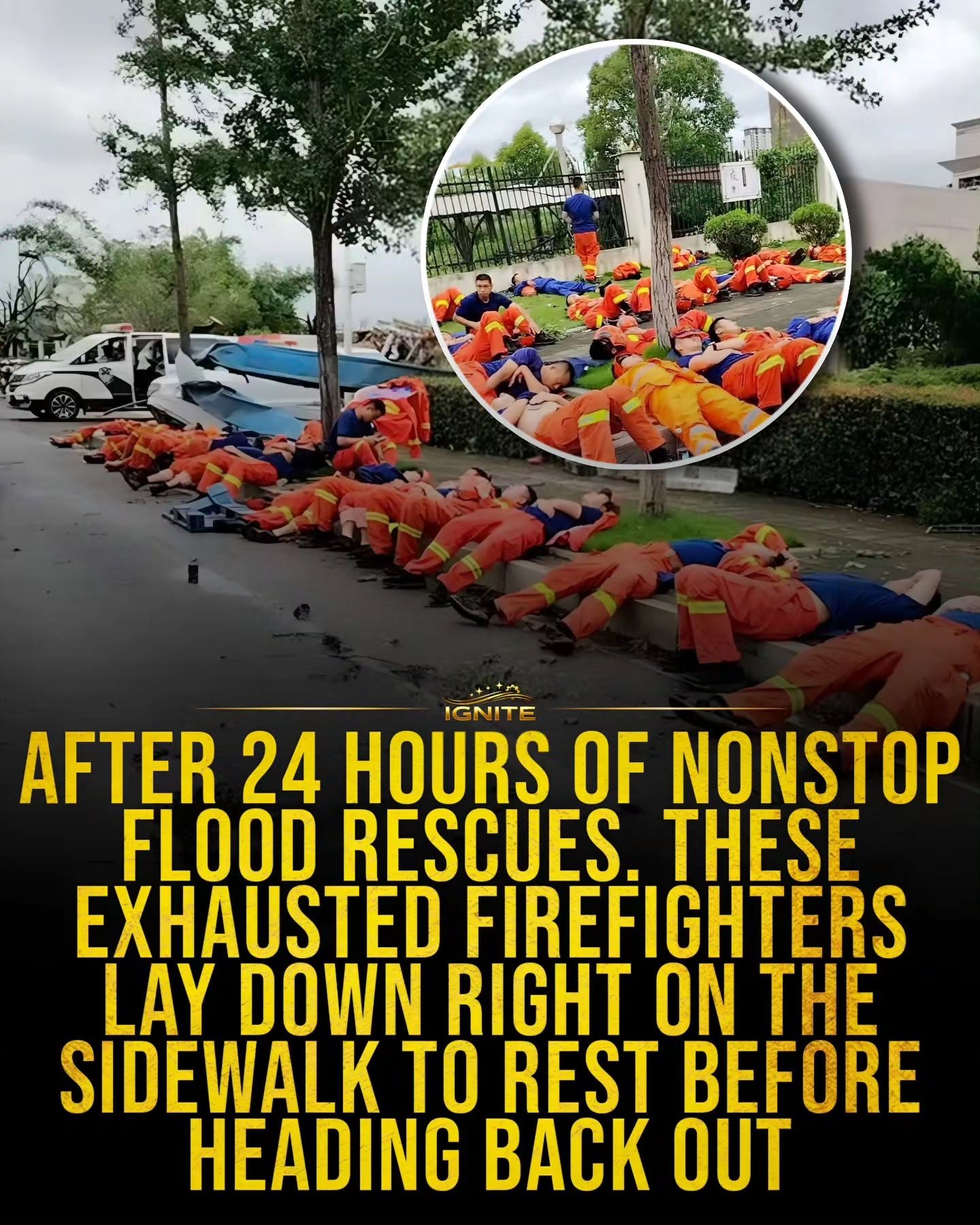
Exhausted Firefighters Rest After Your Nonstop Flood Rescue
Firefighters are often the first responders in times of crisis, and their tireless efforts are crucial in saving lives and property. After a 24-hour flood rescue operation, firefighters needed a moment of rest. The image shows a group of them lying on the sidewalk, visibly exhausted, as they prepare to return to their duties. This scene underscores the demanding nature of their work and highlights the importance of recognizing their sacrifices.
Why This Matters
Firefighters play a vital role in society, but their duties often go unnoticed or underappreciated. The image of exhausted firefighters resting on the sidewalk serves as a powerful reminder of the physical and mental toll their jobs take. Understanding the challenges firefighters face is essential for supporting them better and ensuring they have the resources and recognition they deserve.
The Demands of Flood Rescue Operations
Flood rescue operations are particularly grueling. They involve long hours of physical labor, often in harsh and dangerous conditions. Floodwaters can be unpredictable, and rescuers must navigate through debris, strong currents, and other hazards. The constant vigilance and quick decision-making required in these situations can be mentally taxing as well. The 24-hour flood rescue operation depicted in the image is a testament to the endurance and resilience of firefighters.
Physical Challenges
The physical demands of flood rescue are extensive. Firefighters must carry heavy equipment, wade through water, and sometimes swim to reach those in need. They also face the risk of drowning, hypothermia, and injuries from debris. The constant exertion can lead to exhaustion, making even a short break on the sidewalk necessary for recovery.
Mental and Emotional Stress
The mental and emotional stress of flood rescue operations is equally significant. Firefighters must remain calm and focused under pressure while dealing with the distress of those they are rescuing. The unpredictable nature of floods adds to the stress, as does the knowledge that lives are at stake. The mental toll can be just as exhausting as the physical demands, if not more so. It is crucial for firefighters to have access to mental health resources to cope with the emotional strain of their work.
The Importance of Rest and Recovery
Rest and recovery are essential for firefighters, especially after prolonged and intense operations like flood rescues. The image of firefighters resting on the sidewalk highlights the importance of taking a break, no matter how brief, to recharge and regain strength. Rest not only helps in physical recovery but also in mental and emotional rejuvenation.
The Need for Structured Breaks
Structured breaks are essential for firefighters to prevent burnout and ensure they are ready for the next emergency. Fire departments should implement policies that mandate regular rest periods, even during extended operations. This ensures that firefighters can perform their duties effectively and safely.
Support Systems for Firefighters
Support systems for firefighters include not just physical rest but also mental health support. Access to counselors, support groups, and wellness programs can help firefighters cope with the emotional stress of their work. Encouraging open communication and providing a supportive environment can make a significant difference in their well-being.
Practical Tips for Supporting Firefighters
Community Support
Communities can play a critical role in supporting firefighters. Offering words of encouragement, providing meals, and organizing support events can go a long way in boosting morale. Simple gestures of appreciation can help firefighters feel valued and supported, giving them the strength to continue their important work.
Policy and Resource Allocation
Local and national governments should prioritize allocating resources to fire departments to ensure they have the necessary equipment, training, and support. Policies that mandate adequate rest and recovery periods, as well as access to mental health services, should be in place. This ensures that firefighters are well-prepared to handle emergencies and can sustain their efforts over the long term.
Important Takeaways
Firefighters are the unsung heroes of our communities, often working tirelessly in the background. Their efforts during flood rescues and other emergencies are critical, but they come at a significant cost. Recognizing and addressing the physical and mental challenges they face is essential for ensuring their well-being and effectiveness. Community support, structured breaks, and adequate resources can make a significant difference in their ability to continue their vital work.
Conclusion
The image of exhausted firefighters resting on the sidewalk after a 24-hour flood rescue operation serves as a poignant reminder of the sacrifices they make. Their tireless efforts and commitment to saving lives and property are commendable, but they also underscore the need for better support and recognition. By understanding the demands of their work and providing the necessary resources, we can ensure that firefighters are well-equipped to handle future emergencies and continue to serve their communities with dedication and resilience.
Watch the Reel
Questions readers ask
How do 24-hour shifts impact firefighters during flood rescues?
24-hour shifts during flood rescues push firefighters to their physical limits, involving continuous exertion in challenging conditions. This can lead to extreme fatigue, dehydration, and even injury. Additionally, the mental strain of constant decision-making and witnessing distressing situations can take a significant emotional toll.
What support do firefighters need after intensive rescue operations?
After intensive rescue operations, firefighters require both physical and mental support. This includes adequate rest and hydration, as well as access to counseling services to address trauma and stress. Peer support and recognition from the community also play a crucial role in their recovery and well-being.
Why is it important to recognize the efforts of firefighters after flood rescues?
Recognizing the efforts of firefighters after flood rescues is vital as it acknowledges the risks they take and the sacrifices they make. This recognition can boost morale, encourage continued service, and foster a sense of community support. It also raises awareness about the challenges they face, promoting better support systems and resources for their well-being.
What are the key challenges faced by a flood rescue team during a 24-hour operation?
Key challenges faced by a flood rescue team during a 24-hour operation include navigating treacherous conditions, managing limited resources, and making critical decisions under extreme pressure. The constant physical exertion and the emotional strain of dealing with life-threatening situations can lead to severe exhaustion and trauma.
How can the community assist firefighters after a flood rescue?
The community can assist firefighters after a flood rescue by offering emotional support, such as words of appreciation and encouragement. Additionally, providing practical help, like meals, hydration, and temporary rest areas, can greatly benefit exhausted firefighters, helping them recover and return to their duties more effectively.
What measures can be taken to mitigate the physical toll on firefighters during flood rescues?
To mitigate the physical toll on firefighters during flood rescues, implementing regular rotation schedules to allow for brief rests, ensuring adequate hydration and nutrition, and providing appropriate protective gear are essential. Training for emergency response exhaustion and fostering a culture of self-care within the team can also help.
Related deep dives
Similar reads based on topic and creator.

Recent articles
Fresh deep dives from the latest Reels we unpacked.




Comments
Be the first to comment.