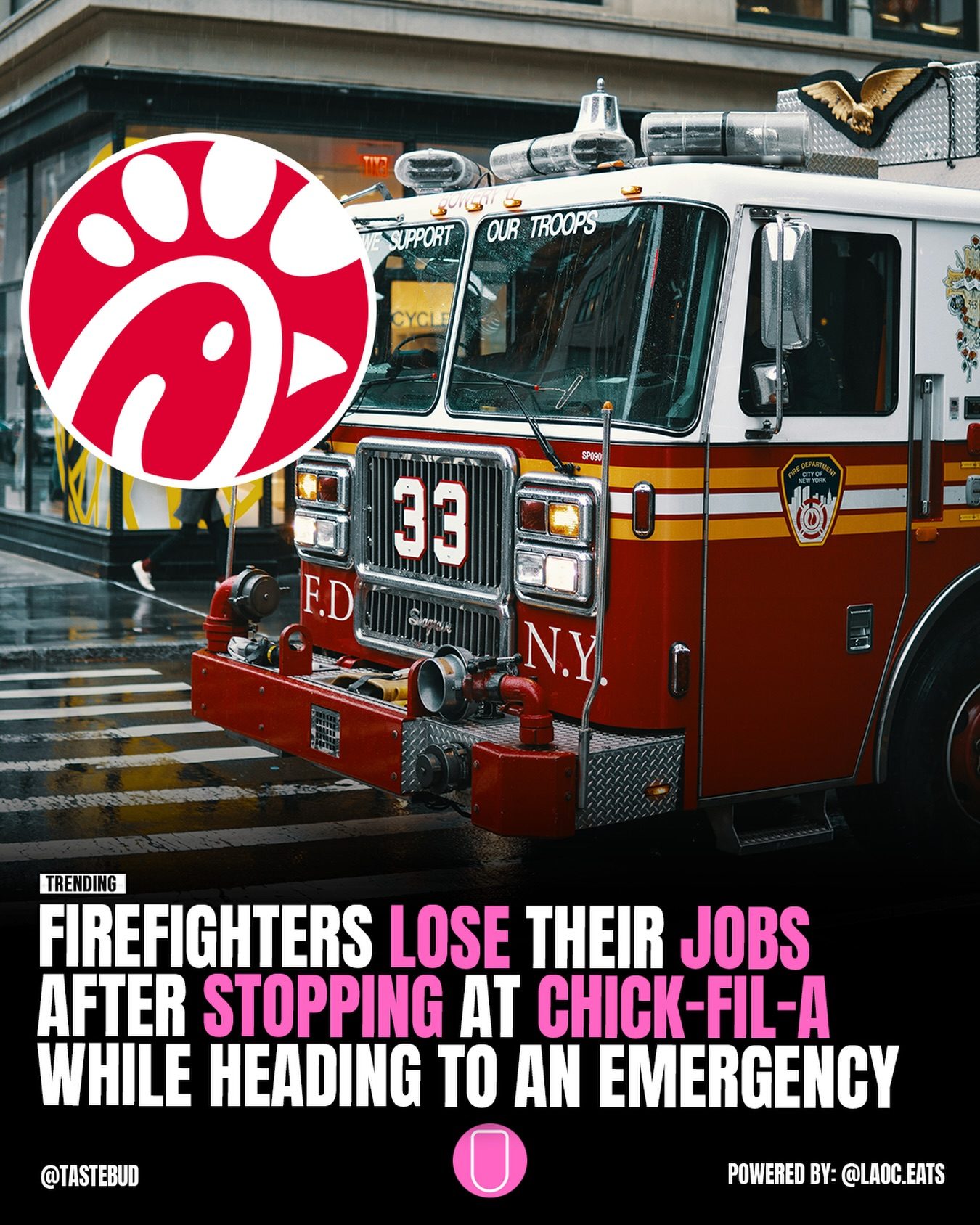
A Firefighter's Dismissal After a Chick-fil-A Stop
On March 25, 2020, a firefighter in Washington, D.C. was dismissed for stopping at a fast food restaurant during an active emergency call. The incident sparked a wave of curiosity and debate around the nation, especially when it was revealed that the fast food restaurant in question was Chick-fil-A.
Context / Why this matters
The incident unfolded as a crew of firefighters, responding to a high-priority medical situation, made a brief stop at Chick-fil-A to pick up a pre-ordered meal. Despite the delay lasting only a few minutes, it was identified by the department's tracking system and subsequently reviewed internally. The result was the termination of one of the firefighters involved.
The public scrutiny and conversation about this incident highlight some key issues in the fire service community. These include the strict response standards expected during emergencies, the importance of time in emergency response, and the consequences of deviating from established protocols.
Main discussion
The Incident and Its Consequences
The firefighter's dismissal was prompted by a seemingly innocuous detour. The crew was responding to a high-priority medical emergency. While en route, they paused briefly to collect a pre-ordered meal at Chick-fil-A. This decision, despite being a minor delay, was flagged by the department's tracking system and led to an internal review.
The department's decision to terminate one of the firefighters has raised a multitude of questions. Why is a minor delay such a severe infraction? How does the strict enforcement of response times affect the mental and physical well-being of firefighters? And what does this mean for the public's trust in emergency services?
The Importance of Response Time
Response time is a critical factor in the effectiveness of emergency services. Emergency response systems are designed to minimize the time between an emergency call and the arrival of trained personnel. In the case of medical emergencies, immediate response can mean the difference between life and death.
The incident in Washington, D.C. underscores the stringent expectations placed on firefighters and their response times. Delays, no matter how brief, can have serious implications. This is especially pertinent to medical emergencies, where every minute counts. The crew's decision to stop for a meal, regardless of how trivial, was flagged by the tracking system, highlighting the meticulous monitoring and scrutiny these professionals face.
The Role of Tracking Systems
Modern emergency services employ sophisticated tracking systems to monitor the real-time movements of their vehicles. These systems are designed to provide critical situational awareness and ensure that resources are efficiently deployed. In this case, the tracking system detected the deviation from the direct route to the emergency, resulting in an internal investigation.
These tracking systems are essential for maintaining accountability and efficiency. However, they also raise questions about privacy and the potential for over-monitoring. Can such systems be overly intrusive, or do they strike a necessary balance between accountability and autonomy?
Public Perception and Trust
The public's trust in emergency services is paramount. When incidents like this occur, they can shake the confidence that the public places in these services. The dismissal of a firefighter for a minor infraction might be seen as an example of strict discipline but may also be interpreted as an overreaction, potentially damaging the public's perception of the department.
Public trust can be a delicate balance. While strict adherence to protocols is necessary for effective emergency response, it's also crucial that the public understands the rationale behind these measures. Transparency and clear communication can help maintain public trust, even in challenging situations.
The Impact on Firefighters
Firefighters operate under immense pressure and face significant risks. The stress of responding to emergencies, combined with the rigorous standards they must uphold, can take a toll on their mental and physical well-being.
Termination due to a minor infraction can have profound effects on a firefighter's career and personal life. This incident serves as a reminder of the high standards and expectations placed on these professionals. It also highlights the need for support and resources to help them manage these pressures effectively.
Practical tips
For firefighters, the incident underscores the importance of adherence to protocols and the seriousness with which deviations are viewed. Here are some practical tips for navigating the challenges of emergency response:
-
Stay Alert and Prepared: Always remain vigilant and prepared for any situation. Understanding the importance of response time and the protocols in place is crucial.
-
Mental Preparedness: Maintain mental preparedness to handle the pressures and stresses that come with the job. Seek support and resources to manage these challenges effectively.
-
Use Technology Responsibly: Utilize tracking systems and other technologies responsibly, understanding their role in maintaining accountability and efficiency.
-
Communicate Clearly: Clear and transparent communication with the department and the public can help maintain trust and understanding, even in difficult situations.
Important Takeaways
-
Stringent Response Standards: Firefighters operate under stringent response standards, and deviations, no matter how minor, can have serious consequences.
-
Public Trust: Maintaining public trust is crucial, and transparency in communication can help manage perceptions and expectations.
-
Mental and Physical Well-being: The stressors of emergency response can take a toll on firefighters. Support and resources are essential for maintaining their well-being.
-
Accountability and Efficiency: Tracking systems play a vital role in maintaining accountability and efficiency, but they must be balanced with the autonomy and privacy of firefighters.
Conclusion
The dismissal of a Washington, D.C. firefighter for stopping at Chick-fil-A during an emergency call has raised numerous questions about response standards, public trust, and the well-being of firefighters. The incident underscores the critical importance of response time, the role of tracking systems, and the need for transparency and communication. As the public continues to rely on these essential services, it's crucial to understand the challenges and pressures faced by firefighters and support them in managing these demands effectively.
Watch the Reel
Questions readers ask
Why was the firefighter in Washington, D.C. dismissed from their job?
The firefighter was dismissed for making a stop at Chick-fil-A during an active emergency response, which was deemed a violation of fire service protocol and response time guidelines. The incident was tracked and reviewed internally, leading to the termination of the firefighter.
What was the duration of the Chick-fil-A stop?
The stop at Chick-fil-A lasted only a few minutes. However, even a brief delay during an emergency response can have significant consequences and was not permissible.
What was the nature of the emergency response during which the stop was made?
The firefighters were responding to a high-priority medical situation. The incident highlights the importance of adhering to strict response times and protocols, especially during critical medical emergencies.
How did the department's tracking system identify the stop?
The department uses a tracking system to monitor the movements and response times of fire crews. This system flagged the deviation from the direct route to the emergency scene, allowing the department to review and address the incident.
What sparked the debate following the firefighter's dismissal?
The dismissal sparked a national debate on the importance of adhering to response times and protocols during emergency situations. It also raised questions about the expectations and conduct of fire service personnel.
What are the potential consequences of delaying an emergency response?
Delaying an emergency response, even by a few minutes, can have serious repercussions. It can impact the outcome of the emergency, compromise patient safety, and affect the credibility and efficiency of the fire service.
What might the dismissal mean for future fire service protocol adherence?
The dismissal serves as a strong reminder of the importance of adhering to strict protocol during emergency responses. It underscores the need for fire service personnel to prioritize emergency protocols over personal activities, even when it results in a minor delay.
Related deep dives
Similar reads based on topic and creator.


Recent articles
Fresh deep dives from the latest Reels we unpacked.




Comments
Be the first to comment.