Urban Planning in Finland: Leveraging Desire Paths
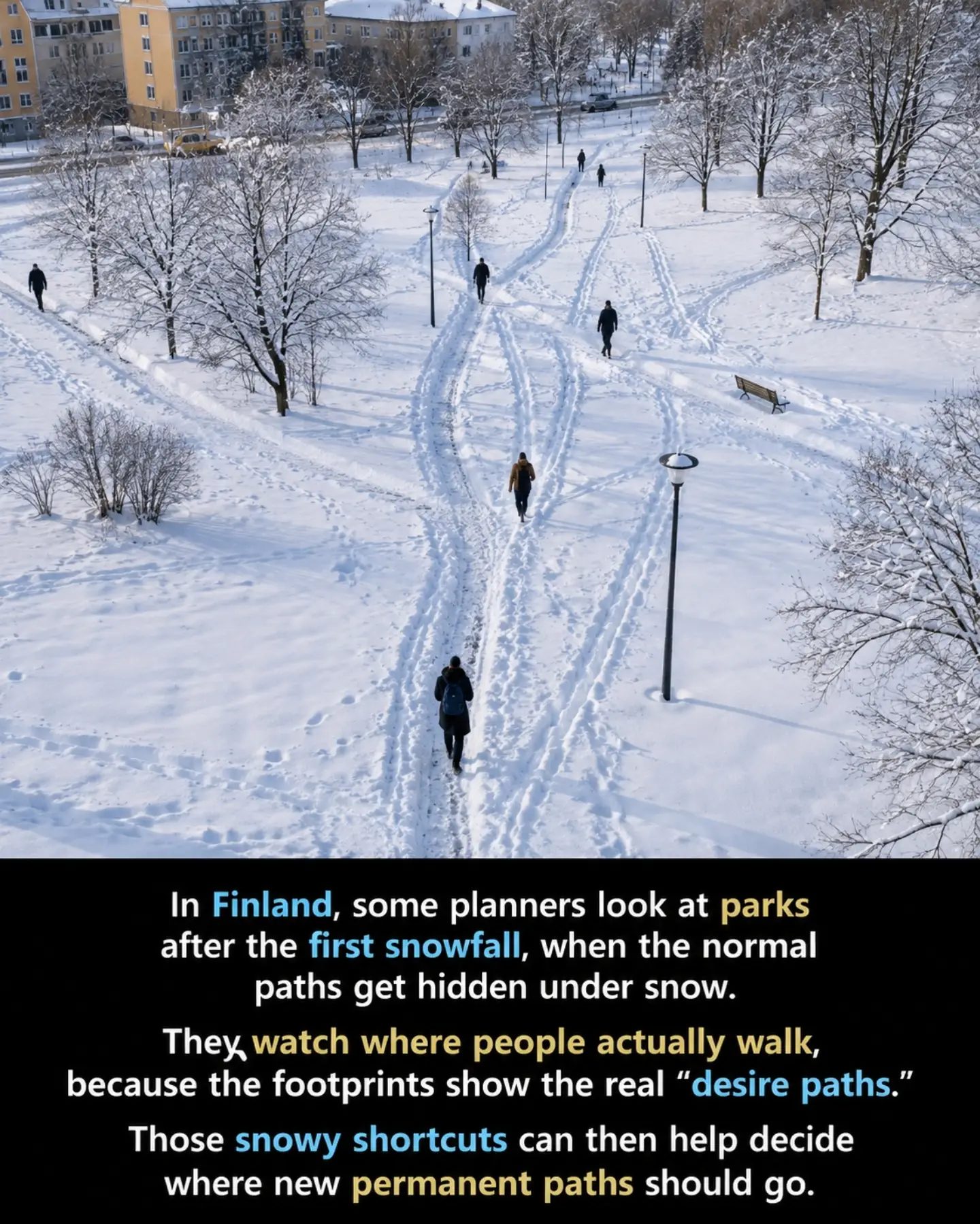
Urban planning involves balancing the structural needs of a city with the organic behavior of its inhabitants. In Finland, planners have developed an ingenious method to understand how people naturally navigate public spaces, particularly in parks. By observing footprints in the snow after the first snowfall, planners gain valuable insights into what are known as "desire paths." These paths reveal how people naturally move through a space, which can then inform the design of new, permanent walkways.
Understanding Desire Paths
Desire paths are the unofficial, naturally worn paths that emerge as people find the most convenient routes between destinations. These paths often cut through grassy areas or form shortcuts between main walkways, revealing user preference in a way that traditional planning methods might not capture. In the context of urban planning, understanding desire paths can help in designing more intuitive and efficient public spaces.
Why This Matters
Effective urban planning is crucial for creating functional and enjoyable public spaces. By observing desire paths, planners can ensure that new walkways align with how people naturally move, which can lead to better utilization of the space and improved user satisfaction. Desire paths provide a practical and visible map of user behavior, helping planners to make informed decisions.
Main Discussion
The Role of Snow in Urban Planning
Snow plays a significant role in this planning process. When the first snowfall covers existing paths, it creates a clean slate, revealing the true desire paths as people navigate the park. This natural phenomenon provides planners with a unique opportunity to observe how people naturally move through the space without the influence of existing infrastructure.
Observing Footprints
Finnish planners watch where people actually walk by observing their footprints in the snow. This process is more than just a walk in the park; it involves a close analysis of the patterns that emerge as people find the most direct and convenient routes. The footprints show the "real" desire paths, which are the actual routes people prefer to take, irrespective of the existing paths.
Planning Permanent Pathways
Once the desire paths are identified, planners can use this information to design new, permanent pathways. This approach ensures that the new infrastructure is not only functional but also aligns with natural human behavior. By following the paths people have chosen, planners can create more intuitive and efficient walkways, reducing congestion and improving the overall user experience.
Benefits of This Approach
There are several key benefits to this method of urban planning:
- Efficiency: By following the natural movement of people, planners can create more direct and efficient routes, reducing the amount of time and energy people need to navigate the space.
- User Satisfaction: When the design of a public space aligns with people's natural behavior, it can lead to higher user satisfaction and better utilization of the space.
- Cost-Effectiveness: By observing desire paths, planners can identify areas where new pathways are most needed, avoiding unnecessary costs and ensuring that resources are allocated effectively.
- Sustainability: The approach minimizes the environmental impact by directing foot traffic along designated paths, reducing wear and tear on grassy areas and natural landscapes.
Practical Tips for Urban Planners
For urban planners looking to incorporate this approach into their work, here are some practical tips:
- Monitor Foot Traffic: Regularly monitor foot traffic in public spaces, especially after snowfall, to identify desire paths.
- Engage with Users: Conduct surveys or interviews to gather additional insights into why people choose certain paths over others.
- Analyze Data: Use data collection methods, such as GPS tracking or footfall sensors, to gather more detailed information about how people move through a space.
- Collaborate with Local Communities: Engage with local communities to understand their needs and preferences, ensuring that the planning process is inclusive and responsive.
Important Takeaways
Observing desire paths in public spaces, especially after the first snowfall, provides a valuable tool for urban planners. By analyzing these natural routes, planners can create more intuitive and efficient walkways, enhancing both the functionality and user satisfaction of public spaces. This method demonstrates the importance of understanding and incorporating human behavior into urban planning, resulting in more effective and sustainable public spaces.
Conclusion
Urban planning in Finland offers a compelling example of how natural phenomena, such as snowfall, can be leveraged to enhance the efficiency and user satisfaction of public spaces. By observing desire paths, planners can design walkways that align with natural human behavior, ensuring that the infrastructure is both functional and sustainable. This approach underscores the importance of integrating human behavior into the planning process, creating public spaces that are truly responsive to the needs and preferences of their users.
Watch the Reel
Questions readers ask
What are desire paths and why are they important in urban planning?
Desire paths are unofficial routes that people naturally create as they move between destinations. In urban planning, they are important because they show how people intuitively navigate spaces, helping planners design more efficient and user-friendly walkways.
How do Finnish urban planners use snowy footprints in their work?
Finnish urban planners use the first snowfall to track desire paths by observing footprints in the snow. This helps them identify popular shortcuts and natural routes chosen by foot traffic, which they then analyze to design more intuitive park layouts.
Why is the first snowfall significant in this planning method?
The first snowfall is significant because it provides a clean slate, allowing planners to see clearly the paths that people choose to take. This initial data is crucial for identifying true desire paths without interference from existing infrastructure.
Can this method be applied in other countries or climates?
While the snow tracking method is unique to snowy regions, the concept of desire paths can be applied globally. Urban planners in other climates can use similar observations by tracking worn grass or other signs of natural foot traffic to achieve similar insights.
How do desire paths help create more intuitive park walkways?
Desire paths help create more intuitive park walkways by revealing the most convenient and popular routes people take. By analyzing these paths, urban planners can design walkways that align with natural movement patterns, making parks more accessible and enjoyable.
What benefits do desire paths provide to both planners and park users?
Desire paths provide planners with a clear understanding of how people navigate spaces, helping them create more efficient and user-friendly designs. For park users, this results in more intuitive and enjoyable experiences, with walkways that align with natural movement patterns.
Related deep dives
Similar reads based on topic and creator.




Recent articles
Fresh deep dives from the latest Reels we unpacked.




Comments
Be the first to comment.