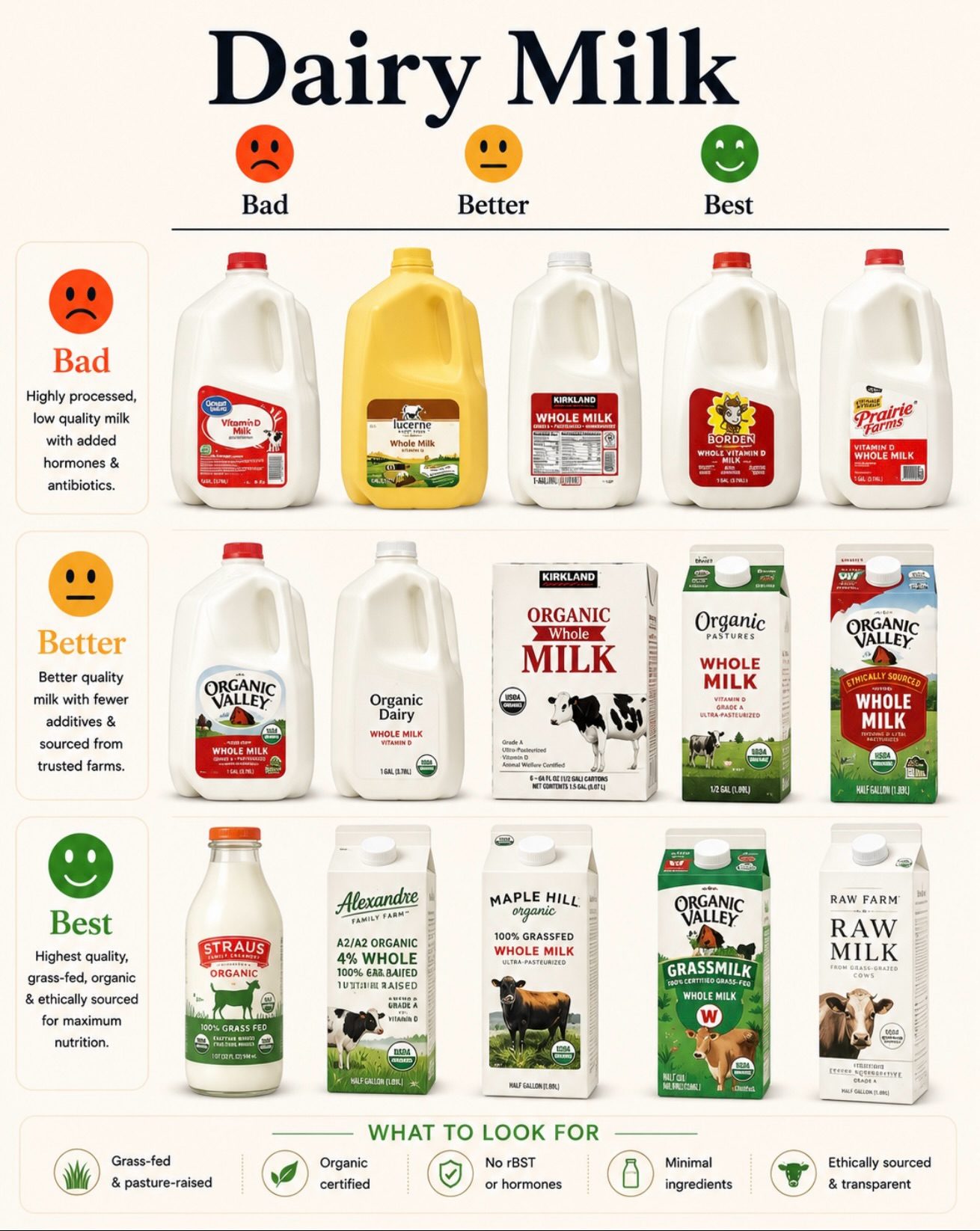
Milk Quality Comparison: Making Informed Choices
Milk is a staple in many households, but not all milk is created equal. Understanding the differences between various types of milk can help you make better choices for your health and the environment. Let's dive into what sets different kinds of milk apart and how to choose the best option for you.
Why This Matters
The quality of milk you consume can significantly impact your health. Factors such as processing methods, additives, and sourcing practices play a crucial role in determining the nutritional value and overall quality of the milk. By making informed choices, you can enhance your diet and support more sustainable farming practices.
Main Discussion
The Basics of Milk
Milk comes in many varieties, each with its own set of characteristics. Understanding these differences is the first step in making better choices.
Dairy Milk
Dairy milk is the most common type, sourced from cows, and is available in various forms, including whole, skim, and 2%. It often undergoes significant processing, which can include pasteurization, homogenization, and the addition of vitamins like Vitamin D.
Organic Milk
Organic milk is produced from cows that are raised according to strict organic standards. These standards prohibit the use of synthetic hormones, pesticides, and antibiotics. Organic milk often has a richer flavor and is considered a healthier option due to its lower levels of harmful additives and closer adherence to natural processes.
Key Factors in Milk Quality
When comparing milk quality, several factors are crucial to consider.
Processing
The way milk is processed can significantly affect its quality. Conventional dairy milk often undergoes extensive processing, which can strip it of beneficial nutrients and enzymes. Organic and raw milk, on the other hand, may retain more of these nutrients.
Additives
Many commercial milk brands add various ingredients to their products, such as vitamins, sweeteners, and preservatives. Opting for milk with fewer additives can help you avoid unnecessary chemicals and sugars in your diet.
Sourcing
The sourcing of milk is another critical factor. Grass-fed and pasture-raised cows generally produce milk with higher nutritional content, including more omega-3 fatty acids and conjugated linoleic acid (CLA), which are beneficial for health. These cows also tend to live in more humane and environmentally friendly conditions.
Brands to Consider
Kirkland
Many people are familiar with Kirkland brand milk. Found in Costco stores, Kirkland milk typically falls into the category of processed dairy milk. While it is a convenience option, it is not ideal for those seeking the highest quality milk. Kirkland milk often includes additives and may not be as nutrient-dense as organic or grass-fed options.
Organic Valley
Organic Valley is a well-known brand for organic milk. Their products are sourced from organic farms and are free from synthetic hormones, antibiotics, and pesticides. Organic Valley milk is a great choice for those looking for a more natural and healthier option.
Straus
Straus is another brand recognized for its high-quality milk. They focus on organic and grass-fed practices, ensuring that their milk is sourced from cows that are pasture-raised and not treated with synthetic hormones or antibiotics. This results in milk with a richer, more natural flavor and higher nutritional content.
Maple Hill
Maple Hill is known for its grass-fed milk, which is produced from cows that are pasture-raised and fed a diet primarily of grass. This type of milk is often praised for its superior taste and nutritional value, making it a top choice for health-conscious consumers.
Practical Tips
When navigating the dairy aisle, keep these tips in mind to ensure you're making the best choice for your health and the environment.
Read the Labels
Always read the labels on milk containers. Look for information about the processing methods, additives, and sourcing practices. Opt for milk that is minimally processed and free from harmful additives.
Look for Certifications
Certifications like USDA Organic and Non-GMO Project Verified can help you identify high-quality milk. These certifications ensure that the milk meets strict standards for organic farming and the absence of genetically modified organisms (GMOs).
Consider Grass-Fed and Pasture-Raised
Milk from grass-fed and pasture-raised cows tends to be more nutrient-dense and better for the environment. These cows often have better living conditions and produce milk with higher levels of beneficial nutrients.
Try Different Types
Don't be afraid to experiment with different types of milk. You might find that you prefer the taste and nutritional benefits of organic or grass-fed milk over conventional dairy milk.
Important Takeaways
- Processing Matters: The way milk is processed can affect its nutritional content. Opt for minimally processed milk for better health benefits.
- Additives Can Add Up: Milk with fewer additives is generally healthier. Avoid products with added sugars, preservatives, and artificial ingredients.
- Sourcing is Critical: Grass-fed and pasture-raised milk is often more nutrient-dense and environmentally friendly. Look for brands that prioritize these practices.
- Certifications Help: Certifications like USDA Organic can guide you towards high-quality milk.
Conclusion
Choosing the right milk can make a significant difference in your diet and overall health. By understanding the key factors that affect milk quality and considering brands that prioritize organic and grass-fed practices, you can make informed choices that benefit both you and the environment. Small swaps in your daily choices, such as opting for organic or grass-fed milk, can add up to significant health improvements over time. So, the next time you're at the grocery store, take a moment to read the labels and choose the milk that best aligns with your health goals.
Watch the Reel
Questions readers ask
What is grass-fed milk and why is it considered healthier?
Grass-fed milk comes from cows that are primarily fed grass and forage, rather than grain. This diet results in milk that is higher in beneficial fats like omega-3s and conjugated linoleic acid (CLA), which have been linked to various health benefits, including improved heart health and reduced inflammation.
How does organic milk differ from conventional milk?
Organic milk comes from cows that are raised according to specific standards, including organic feed, no use of synthetic hormones or antibiotics, and access to pasture. In contrast, conventional milk may come from cows treated with antibiotics and hormones, and fed non-organic feed, which can lead to differences in taste, nutritional content, and environmental impact.
What are some milk additives to avoid?
When choosing milk, look out for additives like carrageenan, a thickener that has been linked to digestive issues, and artificial growth hormones like rBST, which can have potential health impacts. Additionally, avoid milk with added sugars or artificial flavors, which can detract from the nutritional benefits of milk.
How can I ensure I'm choosing ethically sourced milk?
To ensure ethical sourcing, look for certifications like Certified Humane, Animal Welfare Approved, or Organic, which have standards for animal welfare. Additionally, consider the brand's reputation and transparency about their farming practices, and choose products that prioritize fair labor practices and environmental sustainability.
What are the main differences between grass-fed and conventional milk?
Grass-fed milk is produced by cows that are primarily fed grass, leading to higher levels of omega-3s and CLA. Conventional milk, on the other hand, comes from cows that are typically fed grain, resulting in a different nutritional profile. Additionally, grass-fed milk is often produced using more sustainable practices that benefit the environment.
Is organic milk always better for the environment?
Organic milk is generally more environmentally friendly due to the prohibition of synthetic fertilizers and pesticides, as well as the requirement for pasture access, which can support biodiversity. However, the environmental impact can vary based on farming practices and transportation. Always consider the brand's sustainability efforts and local sourcing when making a decision.
How does processing affect the quality of milk?
Milk processing methods can significantly impact its quality. High-heat processing, such as ultra-high temperature (UHT) pasteurization, can extend shelf life but may also reduce certain nutrients. In contrast, lower-heat processing, like vat pasteurization, can preserve more of the milk's natural enzymes and nutrients, although it may have a shorter shelf life.
Related deep dives
Similar reads based on topic and creator.

Recent articles
Fresh deep dives from the latest Reels we unpacked.




Comments
Be the first to comment.