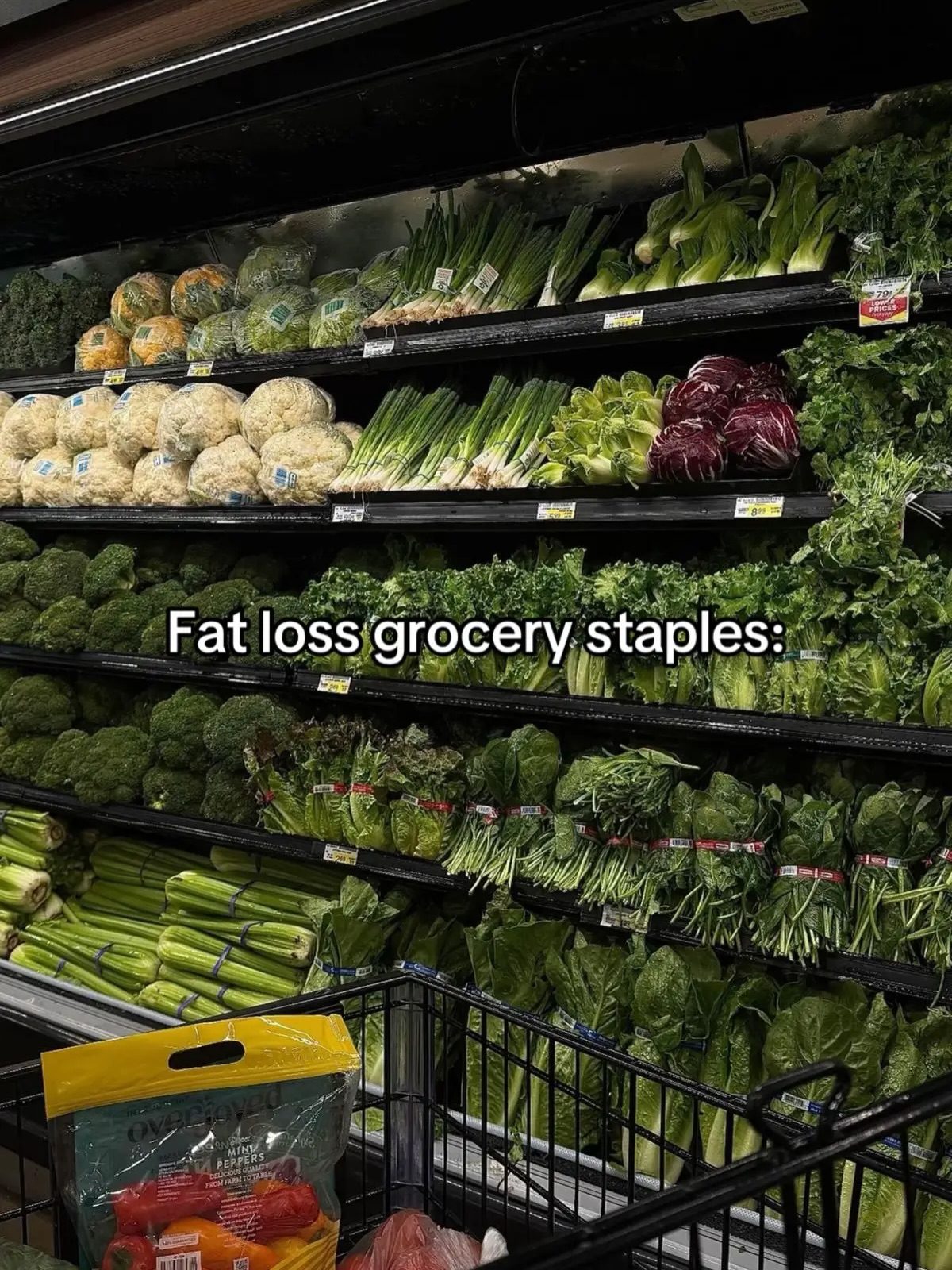
Healthy Grocery Staples for Fat Loss & Using a Nutrition App for Success
When it comes to fat loss, understanding which foods to stock your pantry with could make or break your journey. It’s all about building meals that keep you full, energized, and consistent. The right grocery staples can transform your diet and make it easier to maintain a calorie deficit.
Why this matters
Choosing the right groceries is crucial for sustainable fat loss. It's not just about what you eat, but also how you feel while eating it. The right foods keep you full and satisfied, reducing the urge to snack on unhealthy options. Additionally, knowing how to use a nutrition app can provide real-time data-driven insights to help you reach your goals more efficiently.
Healthy Grocery Staples for Fat Loss
The grocery list below is designed to support fat loss while keeping you full and energized. It includes lean proteins, healthy fats, smart carbs, and non-starchy vegetables.
Lean Proteins
Lean proteins are essential for maintaining muscle mass while in a calorie deficit. They also help you feel fuller for longer, reducing hunger pangs. Opt for:
- Chicken breast
- Turkey
- Eggs
- Tofu
- Salmon
- Greek yogurt
Healthy Fats
Healthy fats are crucial for hormone regulation and satiety. They also add flavor and variety to your meals. Include these in your diet:
- Avocado
- Olive oil
- Almonds
- Cashews
- Chia seeds
- Natural peanut/almond butter
Smart Carbs
Smart carbs provide energy and support your workouts. They are digested more slowly, keeping you full and energized. Stock up on:
- Sweet potatoes
- Brown rice
- Quinoa
- Oats
- Bananas
- Apples
Non-Starchy Vegetables
Non-starchy vegetables are low in calories but high in volume. They add bulk to your meals, helping you feel full without adding many calories. Some excellent options include:
- Broccoli
- Cauliflower
- Cucumbers
- Bell peppers
- Zucchini
- Spinach
The Nutrition App for Tracking Progress
Using a nutrition app can revolutionize your approach to fat loss. These tools provide data-driven insights that help you make informed decisions about your diet. The app showcased, for example, offers a range of features designed to support your fat loss journey.
Tracking Calories and Macros
The app allows you to set daily calorie and macro goals. You can input your meals and snacks to track your intake and ensure you're staying within your targets. The app breaks down your macronutrient intake into protein, carbs, and fats, giving you a clear picture of your nutritional balance.
Maintaining a Calorie Deficit
Maintaining a calorie deficit is essential for fat loss. The app helps you calculate your Total Daily Energy Expenditure (TDEE) and set a deficit goal. This ensures that you are consistently burning more calories than you consume, promoting fat loss.
Daily Goals and Progress Tracking
The app allows you to set and track daily goals. You can monitor your progress over time, making adjustments as needed. This data-driven approach helps you stay motivated and on track.
Rewarding Consistency
Consistency is key to long-term fat loss success. The app rewards you for staying active and consistent with your nutrition plan. It turns your workouts and daily steps into something rewarding, making it easier to stick to your plan.
Practical Tips for Success
-
Plan Your Meals: Meal planning helps you stay on track and avoid impulsive, unhealthy food choices. Set aside time each week to plan and prepare your meals.
-
Portion Control: Use portion control to manage your calorie intake. A simple rule to follow is to fill half your plate with vegetables, add a palm-sized portion of protein, and include a smart carb and healthy fat.
-
Stay Hydrated: Drinking enough water is crucial for maintaining energy levels and promoting fat loss. Aim for at least 8 glasses of water per day.
-
Regular Exercise: Regular exercise complements a healthy diet. It helps you burn more calories and build muscle, supporting your fat loss goals.
Important takeaways
- Fat loss is about creating a sustainable, balanced diet with nutrient-rich foods.
- Using a nutrition app can help you track your progress and stay motivated.
- Healthy fats, lean proteins, and smart carbs are essential for maintaining a calorie deficit and feeling full.
- Maintain a consistent approach to diet and exercise for long-term success.
- Non-starchy vegetables add bulk to your meals, helping you feel full without adding many calories.
Conclusion
Achieving fat loss goals requires a combination of the right foods and a consistent, data-driven approach. By stocking your pantry with lean proteins, healthy fats, smart carbs, and non-starchy vegetables, you can create meals that keep you full and energized. Additionally, using a nutrition app to track your progress and stay consistent can significantly enhance your fat loss journey.
Watch the Reel
Questions readers ask
What are some of the best grocery foods for weight loss?
The best grocery foods for weight loss include lean proteins like chicken and turkey, healthy fats such as avocados and nuts, and non-starchy vegetables like spinach and broccoli. These foods help maintain a calorie deficit while keeping you full and energized. Additionally, incorporating smart carbs like whole grains and legumes can support your fat loss goals.
How can lean proteins assist in fat loss?
Lean proteins are essential for fat loss as they help build and maintain muscle mass, which can increase your resting metabolic rate. They also promote feelings of fullness, reducing overall calorie intake by curbing hunger. Examples of lean proteins include grilled chicken, turkey breast, and tofu.
What are some nutritious grocery staples for a daily grocery list for fat loss?
A daily grocery list for fat loss should include items like oatmeal, brown rice, lean meats, and a variety of non-starchy vegetables, such as peppers, bell peppers, and zucchini. Fruits like berries and apples can also be included for their fiber and nutrient content. These staples help keep hunger at bay and make it easier to maintain a calorie deficit.
Why are non-starchy vegetables important for fat loss?
Non-starchy vegetables are low in calories and high in fiber, making them an excellent choice for fat loss. They help you feel full and satisfied, reducing the likelihood of overeating. Plus, they add volume to your meals without significantly increasing calorie intake. Examples include kale, lettuce, asparagus, and green beans.
How do smart carbs support fat loss goals?
Smart carbs, such as whole grains and legumes, provide sustained energy and help maintain stable blood sugar levels, which can prevent overeating. They also offer fiber and essential nutrients, making them a valuable part of a fat loss diet. Including smart carbs in your meals can help you feel full and satisfied, aiding in a calorie deficit.
How can a nutrition app help with grocery shopping for fat loss?
A nutrition app can provide real-time data-driven insights to help you reach your fat loss goals. By tracking your calorie intake, macronutrients, and hydration, a nutrition app can assist in planning meals and making informed decisions while grocery shopping. Some apps even offer barcode scanning features to check the nutritional content of products.
Should I consider any specific workouts to pair with my grocery list for best results?
While a well-structured grocery list is crucial, pairing it with regular workouts can accelerate your fat loss journey. Incorporate a mix of resistance training and cardiovascular exercises to build muscle and burn calories. Resistance training can help maintain and build lean muscle mass, which boosts your metabolism. Cardio exercises, such as running, cycling, or swimming, can help burn calories and improve cardiovascular health.
Recent articles
Fresh deep dives from the latest Reels we unpacked.




Comments
Be the first to comment.