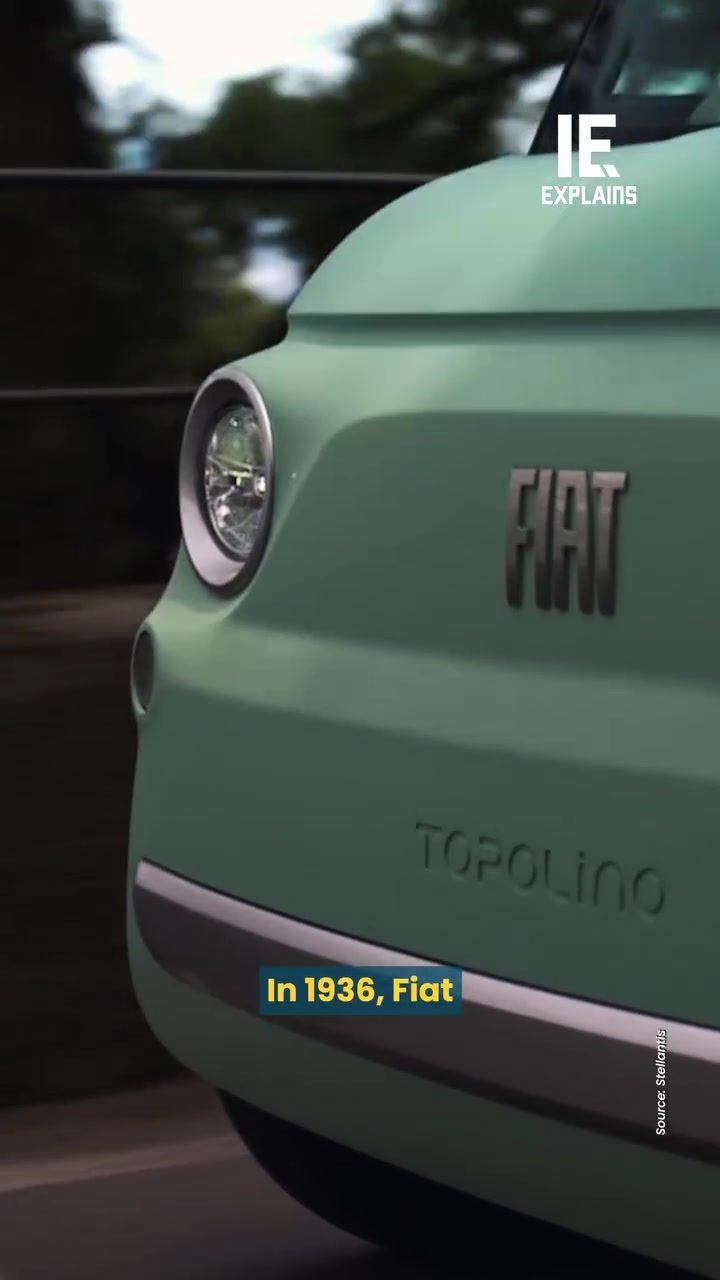
Fiat Topolino Evolution: The Little Electric Car that Landed in America
The Fiat Topolino, translating to "little mouse" in Italian, has made a comeback in the American market, bringing with it a blend of nostalgia and modern electric vehicle (EV) technology. The latest iteration of this iconic car, the Fiat Topolino, is fully electric and is classified as a low-speed vehicle, emphasizing its design for local, leisurely travel.
Why This Matters
The introduction of an all-electric low-speed vehicle like the Topolino in the U.S. market is significant for several reasons. It represents a shift in the automotive industry towards more sustainable and environmentally friendly options. Moreover, it offers a compact, affordable, and easily chargeable vehicle for those who prioritize convenience over high-speed travel.
Main Discussion
The History and Revitalization
The original Fiat Topolino, introduced in 1936, was a small, affordable car that quickly gained popularity in Italy. This compact vehicle was not just an economical choice but also a symbol of Italian design and innovation. Now, nearly a century later, Fiat has revived the Topolino name, bringing it into the era of electric vehicles. The new Topolino is more than just an homage to the past; it's a modern interpretation tailored to meet the current demand for eco-friendly and low-speed transportation.
Technical Specifications
The Topolino is a low-speed vehicle, which means it is designed for speeds of 25 mph or less. It boasts a 5.4 kilowatt-hour battery that delivers an impressive 46 miles of range. This range is sufficient for short trips around town, making it ideal for urban environments and leisurely drives in beach towns, resorts, and gated communities.
One of the standout features of the Topolino is its charging capabilities. With the ability to charge from a regular wall outlet, it offers a hassle-free charging experience. The car takes about 4 hours to fully charge, which is a significant advantage for those who prefer the convenience of home charging over visiting a charging station.
Design and Versatility
The Topolino comes in two distinct versions, each catering to different preferences. The first version is the standard Topolino, which features doors and a glass roof, offering a more traditional car-like experience. The second version, dubbed the "Dolce Vita," replaces doors with ropes and includes a roll-up soft top, providing a more open-air and adventurous driving experience. Both versions are available in a single, eye-catching color: mint.
Fiat has also announced a conversion kit that will be available later this year. This kit will reclassify the Topolino as a low-speed vehicle suitable for public roads, pushing its legal speed limit to 25 mph. This update further enhances the car's versatility, making it legal on most U.S. roads where the speed limit is 35 mph or less.
Market Positioning
The Fiat Topolino is positioned to fill a unique niche in the automotive market. Fiat emphasizes that this vehicle is not meant for highway driving. Instead, it is designed for local, leisurely travel in specific environments like beach towns, resorts, and gated communities. This positioning makes the Topolino an appealing choice for those who prioritize sustainability and convenience over high-speed travel.
Practical Tips
Charging Considerations
For those considering the Fiat Topolino, one of the key advantages is its ability to charge from a regular wall outlet. This convenience means you won't need to rely on specialized charging stations. However, it's important to plan your driving range accordingly, as the 46 miles of range might not be sufficient for longer trips. Charging overnight could be a practical solution for regular use. Consider the locations of your daily drives and ensure they fall within the 46-mile range.
Maintenance and Costs
Being fully electric, the Topolino offers lower maintenance costs compared to traditional internal combustion engine (ICE) vehicles. There are no oil changes, spark plugs, or other mechanical parts that require regular servicing. Additionally, the Topolino's compact size and lightweight design make it more efficient to maintain, further reducing long-term costs.
Ideal Use Cases
Given its design and specifications, the Topolino is best suited for short-distance travel in urban environments, resorts, and gated communities. It's perfect for running errands, visiting nearby attractions, or simply enjoying a leisurely drive. For those living in areas with lower speed limits, the Topolino offers a practical and eco-friendly alternative to traditional cars.
Important Takeaways
Fiat's introduction of the Topolino in the U.S. market showcases a new approach to sustainable and convenient transportation. With its electric powertrain, low-speed capabilities, and unique design, the Topolino offers a fresh perspective on what a modern, eco-friendly vehicle can be. Its suitability for local, leisurely travel makes it a practical choice for those who prioritize sustainability and convenience.
Conclusion
The Fiat Topolino is a remarkable blend of historical nostalgia and modern innovation. Whether you choose the standard Topolino or the more adventurous Dolce Vita version, this compact, affordable, and eco-friendly EV offers a unique driving experience. As the automotive industry continues to evolve, the Topolino stands as a testament to Fiat's commitment to sustainability and innovation. If you're looking for a fun, eco-friendly, and convenient way to get around town, the Fiat Topolino might just be the perfect fit.
Watch the Reel
Questions readers ask
What makes the Fiat Topolino unique in the electric vehicle market?
The Fiat Topolino stands out due to its blend of retro design and modern electric powertrain. It's designed as a low-speed vehicle, making it ideal for short trips and local travel, which sets it apart from other electric vehicles focused on high-speed and long-range capabilities.
How does the Fiat Topolino contribute to sustainable transportation?
The Fiat Topolino promotes sustainability by being fully electric, which reduces greenhouse gas emissions compared to traditional internal combustion engine vehicles. Its design encourages short, local trips, further decreasing its environmental impact.
What is the significance of the Fiat Topolino's low-speed classification?
The low-speed classification of the Fiat Topolino means it is designed for local, leisurely travel, typically up to 25 mph. This makes it perfect for city driving, residential areas, and short commutes, while also typically having lower energy consumption and charging requirements.
Can the Fiat Topolino be used for daily commuting?
The Fiat Topolino can be suitable for daily commuting, especially for short trips within urban areas. However, its low-speed classification and design for leisurely travel mean it may not be ideal for highways or long-distance commuting. Be sure to check local regulations as some areas may have specific rules for low-speed vehicles.
What are the charging requirements for the electric Fiat Topolino?
The Fiat Topolino, being a low-speed EV, likely has lower battery capacity and power requirements. This means it can be charged quickly and efficiently, often using standard home charging solutions, which makes it convenient for daily use and overnight charging.
Is the Fiat Topolino a replica of a classic car or a modern interpretation?
The Fiat Topolino is a modern interpretation of the classic 1936 Fiat Topolino. While it draws inspiration from the original design, it features contemporary electric vehicle technology and updates to meet modern driving standards and regulations.
How does the price of the Fiat Topolino compare to other electric cars?
The Fiat Topolino is positioned as an affordable electric vehicle, making it more accessible compared to many other electric cars on the market. Its compact size and low-speed design contribute to its lower price point, appealing to buyers looking for a cost-effective EV option.
Related deep dives
Similar reads based on topic and creator.


Recent articles
Fresh deep dives from the latest Reels we unpacked.




Comments
Be the first to comment.