Marine Evacuation Systems: Ensuring Passenger Safety on Vessels
From the design to the practical deployment, marine evacuation systems play a crucial role in ensuring the safety of passengers on vessels, including ferries. These systems are specifically designed for emergency situations, providing a rapid and safe means of evacuation.
Context: Why Marine Evacuation Systems Matter
In emergencies, such as fires or collisions, swift and efficient evacuation is vital. Traditional lifeboats, while effective, can be time-consuming to launch and may not always provide the fastest exit. Marine evacuation systems, on the other hand, offer a faster alternative. These systems are engineered to deploy quickly, minimizing the time it takes for passengers to reach safety.
Testing and Deployment
How a Marine Evacuation System Works
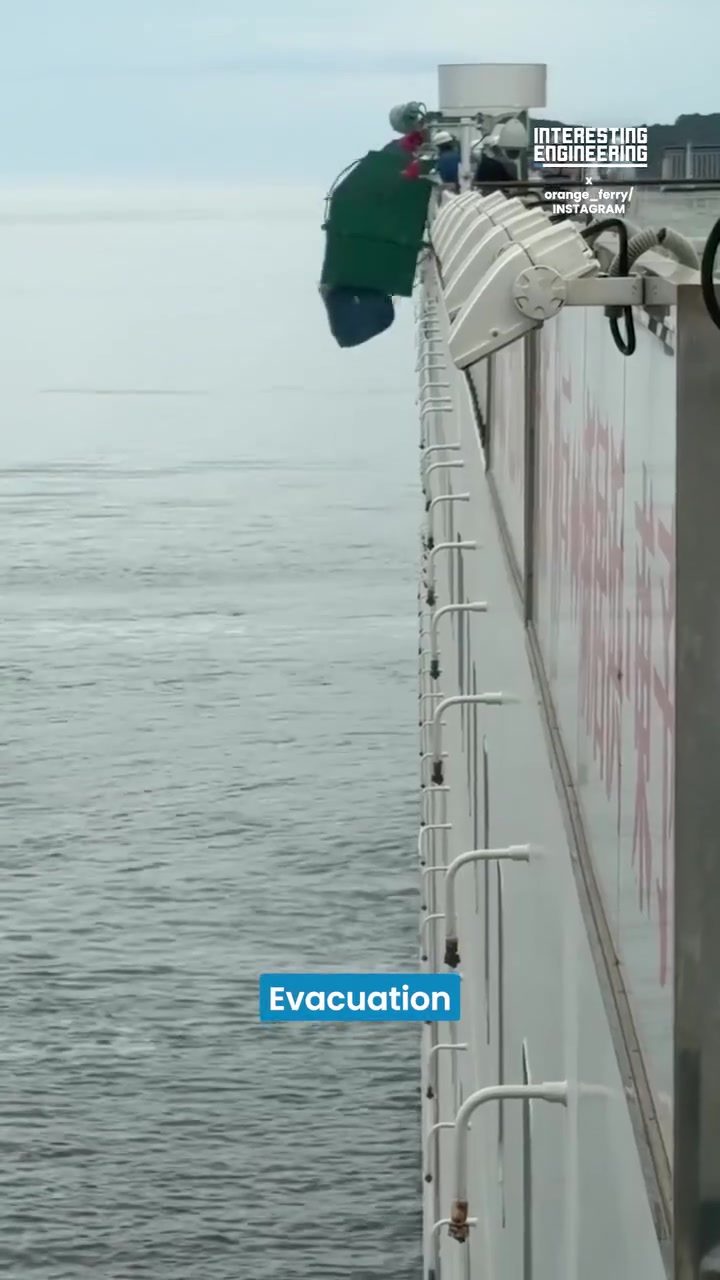
A Marine Evacuation System typically comprises several key components: an enclosed chute, a weighted bag, and an inflatable boarding platform. During a deployment test, the weighted bag pulls down the chute, which inflates as it descends. Simultaneously, the inflatable boarding platform automatically expands on the water, creating a stable surface for passengers to evacuate into life rafts.
Deploying the System
The deployment test involves activating the system from a specialized chute or arm extending over the water. Once activated, the system launches a yellow life raft, which rapidly inflates and positions itself on the water. The inflatable boarding platform expands, providing a safe and stable area for passengers to enter the raft swiftly. This seamless process ensures that passengers can evacuate rapidly, reducing the risk during emergencies.
Practical Tips for Effective Marine Evacuation Systems
Passenger safety is paramount. Here are some practical tips to ensure the system functions effectively:
Regular Maintenance
Regularly inspect and maintain the system. Ensure that all components, including the chute, weighted bags, and inflatable platforms, are in good working condition. Conduct periodic drills to familiarize passengers and crew with the evacuation procedure.
Clear Instructions
Provide clear, easily understandable instructions for passengers. During emergencies, clarity and simplicity are crucial. Visual aids and signs can help passengers quickly locate and use the evacuation system.
Training
Regular training sessions for crew members are essential. They should be well-versed in deploying the system and guiding passengers through the evacuation process.
Important Takeaways
Speed and Efficiency
Marine Evacuation Systems are designed to provide fast and efficient evacuation. The rapid deployment of the chute and the automatic expansion of the inflatable boarding platform ensure that passengers can leave the vessel quickly and safely.
Safety Features
The enclosed chute and the weighted bag system work together to create a stable and secure evacuation path. The inflatable platform provides a stable surface, reducing the risk of accidents during the evacuation process.
Emergency Preparedness
Regular testing and maintenance of the system are crucial for ensuring its readiness during emergencies. Training and clear instructions are vital for effective use.
Conclusion
Marine Evacuation Systems are indispensable for passenger safety on vessels. From the deployment of the enclosed chute to the expansion of the inflatable boarding platform, these systems offer a fast and safe alternative to conventional lifeboats. Regular maintenance, clear instructions, and effective training are key to ensuring that these systems function optimally during emergencies. By understanding and implementing these systems correctly, we can significantly enhance the safety and preparedness of passenger vessels.
Watch the Reel
Questions readers ask
What triggers the deployment of a ferry evacuation system?
Ferry emergency evacuation systems are typically deployed in response to critical situations such as fires, collisions, or other emergencies that necessitate immediate passenger evacuation. The decision to activate these systems is usually made by the vessel's captain or the emergency response team.
How does a marine evacuation system differ from traditional lifeboats?
Marine evacuation systems provide a faster means of evacuation compared to traditional lifeboats. These systems use components like chutes, weighted bags, and inflatable platforms to expedite passenger escape, whereas traditional lifeboats can be more time-consuming to launch and may not always offer the quickest exit in emergency situations.
What are the key components of a ferry evacuation system?
A ferry evacuation system typically includes a passenger evacuation chute, an emergency ferry evacuation slide or inflatable platform, and weight bags to stabilize the system. These components work together to facilitate a swift and orderly evacuation process for passengers.
What is the purpose of the ferry emergency slide?
The ferry emergency slide, also known as an evacuation chute, enables passengers to quickly descend to safety. It is designed to be rapidly deployed and stable, allowing passengers to evacuate the vessel in a swift and orderly manner, especially in situations where time is of the essence.
How often are marine emergency evacuation systems tested?
Marine emergency evacuation systems must be tested regularly to ensure they function correctly when needed. Testing frequency can vary, but it generally includes annual drills and inspections. These tests are crucial for maintaining the reliability and effectiveness of the evacuation process.
What role do weighted bags play in the deployment of a ferry evacuation system?
Weighted bags are essential for stabilizing the evacuation system during deployment. These bags help to secure the chute or slide, ensuring it remains steady and functional, which is vital for a safe and controlled evacuation process, especially in challenging sea conditions.
How are passengers instructed to use the evacuation chutes and slides?
Passengers are typically instructed on emergency evacuation procedures during safety briefings. It is important to follow the instructions of crew members, who may guide passengers on how to use the chutes or slides safely. Generally, passengers will be directed to slide down feet first, holding onto the handrails if available, and to move away from the vessel quickly once they reach the water.
Related deep dives
Similar reads based on topic and creator.

Recent articles
Fresh deep dives from the latest Reels we unpacked.




Comments
Be the first to comment.