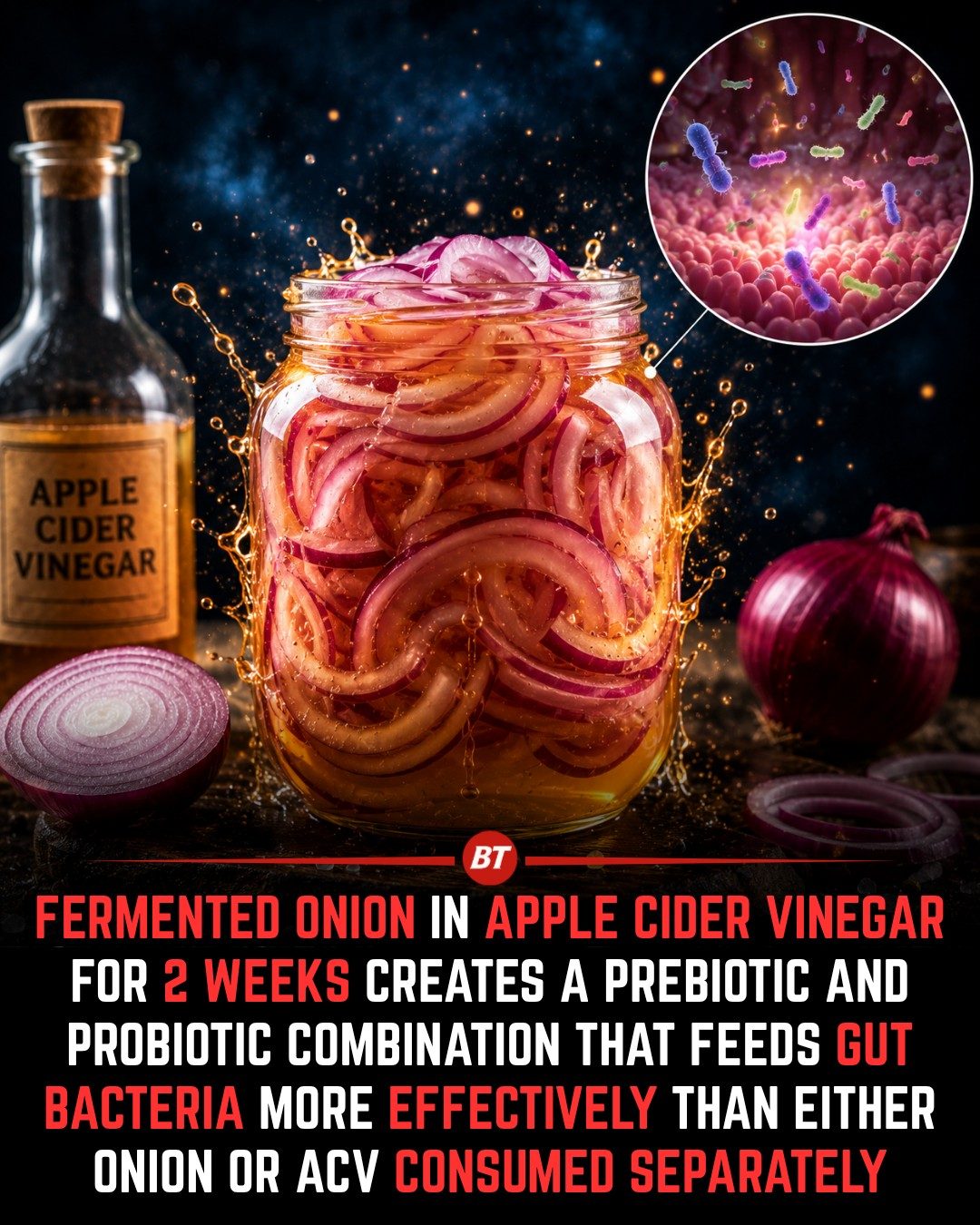
Fermented Onion Recipe
Fermented onions are more than just a tangy topping for your favorite sandwich or salad. They offer a powerhouse of gut-health benefits, particularly when fermented with apple cider vinegar. This method not only enhances the flavor but also creates a unique blend of prebiotics and probiotics that support a healthy gut microbiome.
Why This Matters
Understanding the fermentation process and the specific benefits of fermented onions can help you make informed decisions about your diet and gut health. This process harnesses the natural properties of onions and apple cider vinegar to create a synergistic effect that enhances digestion and overall gut health.
Main Discussion
The Science Behind Fermented Onions
Fermenting onions involves submerging them in a liquid, often a salt brine or apple cider vinegar, and allowing beneficial bacteria to grow. This process transforms the onions into a synbiotic food, which means it contains both prebiotics and probiotics.
Prebiotics and Probiotics
Onions are naturally rich in prebiotic fibers, particularly inulin and fructooligosaccharides (FOS). These fibers are not digested by the body but instead travel to the colon, where they become food for beneficial gut bacteria. Bacteria such as Bifidobacteria and Lactobacillus ferment these fibers, producing short-chain fatty acids like butyrate. Butyrate nourishes the cells lining your colon, supporting a healthy gut barrier and overall digestive health.
The Role of Apple Cider Vinegar
Apple cider vinegar is often used in fermenting onions for its flavor and potential health benefits. It contains acetic acid, which has been studied for its effects on blood sugar regulation and digestion. However, using vinegar as the primary fermenting liquid might not always yield the same probiotic benefits as a traditional salt brine. The acidity of vinegar can inhibit the growth of beneficial bacteria found in natural fermentation, but this does not negate the fact that fermented onions in vinegar still contain valuable prebiotic fibers. If used after natural fermentation, it can add a tangy flavor to the fermented onions.
Fermentation Process
The fermentation process involves submerging sliced onions in a salt brine for about 1-2 weeks. During this time, beneficial bacteria grow, creating a food that contains both prebiotics (the onion's fiber) and probiotics (the live microbes produced during fermentation). This combined effect is often referred to as a synbiotic, as the prebiotics help feed the probiotics, supporting a more diverse and healthy gut microbiome.
Practical Tips
If you're interested in making your own fermented onions at home, here are some practical tips to get you started:
Ingredients and Equipment
You'll need a few basic ingredients and pieces of equipment:
- Fresh onions
- Sea salt
- Filtered water
- A clean, airtight jar with a lid
- A weight to keep the onions submerged (a smaller jar filled with water works well)
Steps to Ferment Onions
-
Prepare the Onions: Peel and slice the onions to your desired thickness.
-
Create the Brine: Mix 1 tablespoon of sea salt with 1 cup of filtered water to create a brine. Make sure the salt is completely dissolved.
-
Submerge the Onions: Place the sliced onions in a clean, airtight jar, then pour the brine over the onions until they are completely submerged. Use a weight to keep the onions under the liquid, preventing mold growth.
-
Fermentation: Seal the jar tightly and let it sit at room temperature for 1-2 weeks. The fermentation process will create bubbles, so you may need to "burp" the jar occasionally to release pressure.
-
Storage: After fermentation, store the jar in the refrigerator. The onions will keep for several weeks, and the flavor will continue to develop over time.
Important Takeaways
Fermented onions offer a range of gut-health benefits, thanks to their unique combination of prebiotics and probiotics. The fermentation process itself is relatively simple and can be done at home with basic ingredients and equipment. Adding fermented onions to your diet can support a healthy gut microbiome and overall digestive health.
By following these steps and understanding the science behind fermented onions, you can easily incorporate this nutrient-rich food into your daily meals. Whether you enjoy them as a condiment or as a side dish, fermented onions are a delicious and healthy addition to any diet.
Conclusion
Fermented onions are a flavorful and nutritious food that offers a range of gut-health benefits. The fermentation process enhances the natural prebiotic and probiotic properties of onions, making them a valuable addition to a healthy diet. Whether you enjoy them as a tangy topping or a side dish, fermented onions can support a healthy gut microbiome and overall digestive health. By trying this fermentation process at home, you can reap the benefits of this nutritious and delicious food.
Watch the Reel
Questions readers ask
What makes fermented onions beneficial for gut health?
Fermented onions combine natural prebiotics from onions with probiotics created during the fermentation process. This combination supports a healthy gut microbiome, aiding in digestion and overall gut health.
How does apple cider vinegar contribute to the fermentation of onions?
Apple cider vinegar introduces beneficial bacteria to the fermentation process, enhancing the probiotic content. This makes fermented onions even more effective in supporting gut health and digestion.
Can I ferment onions without using apple cider vinegar?
While you can ferment onions using other liquids like water and salt, using apple cider vinegar provides additional benefits. The acetic acid in apple cider vinegar helps create a favorable environment for beneficial bacteria, enhancing the probiotic properties of the fermented onions.
What are the benefits of consuming fermented foods like fermented onions?
Fermented foods like fermented onions introduce beneficial probiotics into your gut, which can help balance your gut microbiome. This can lead to improved digestion, enhanced nutrient absorption, and a stronger immune system.
How do I start fermenting onions at home?
To ferment onions at home, you'll need fresh onions, apple cider vinegar, water, and salt. Chop the onions, place them in a clean jar, and cover with a mixture of apple cider vinegar, water, and salt. Let the mixture sit at room temperature for several days to allow fermentation to occur.
Are there any specific health benefits of fermented onions compared to other fermented vegetables?
Fermented onions are rich in prebiotics, which act as food for the beneficial probiotics. This makes them particularly effective in promoting a healthy gut microbiome. Additionally, the sulfur compounds in onions have been shown to support liver function and detoxification processes.
How long does the fermentation process take for onions?
The fermentation process for onions typically takes about 3 to 7 days, depending on the desired level of tanginess and probiotic content. During this time, the mixture should be kept at room temperature and monitored for any signs of mold or spoilage.
Recent articles
Fresh deep dives from the latest Reels we unpacked.




Comments
Be the first to comment.