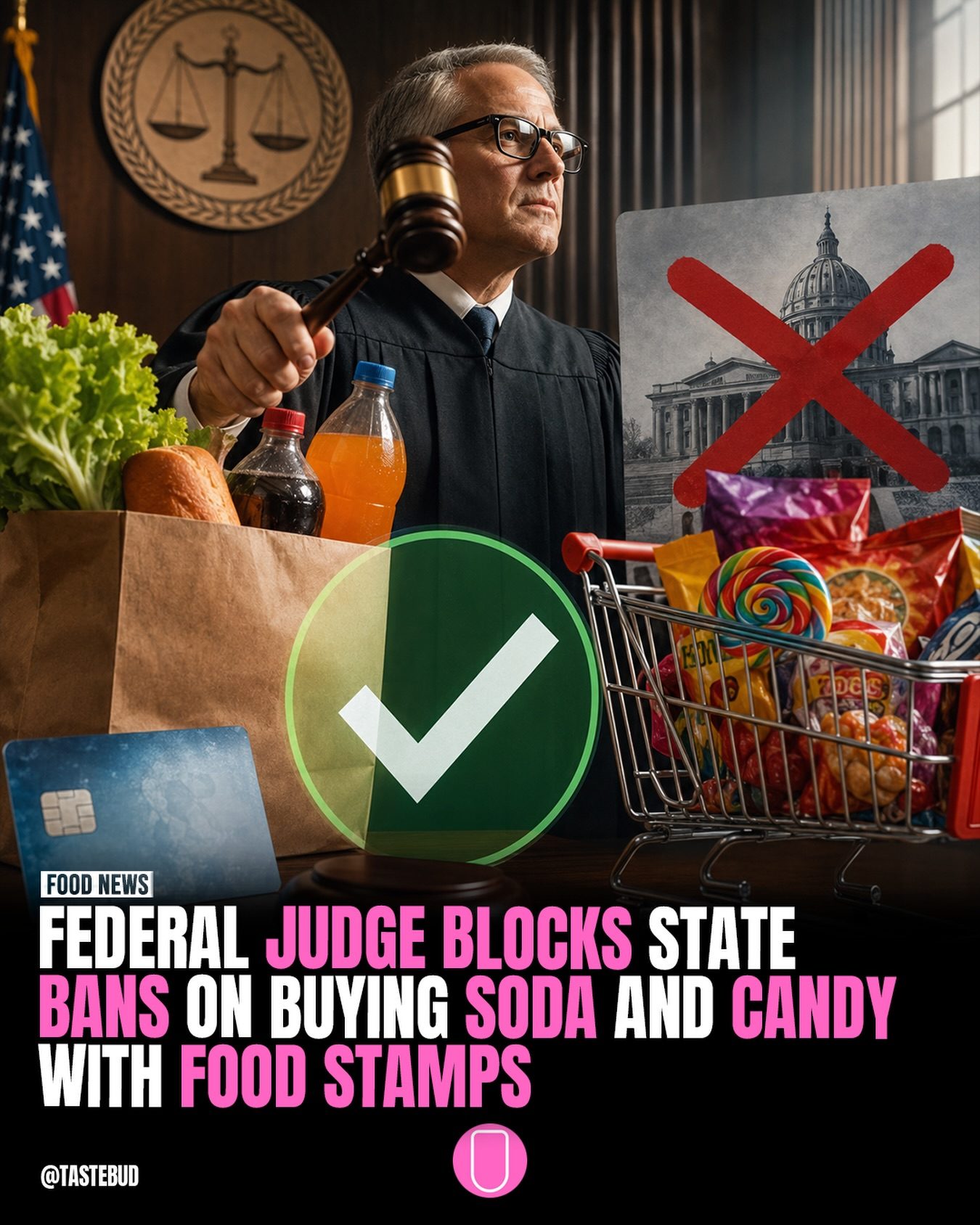
Legal Ruling on Food Stamps
A federal judge has recently blocked attempts by several states to impose restrictions on what items can be purchased using Supplemental Nutrition Assistance Program (SNAP) benefits. These proposed rules aimed to limit the purchase of items like soda and candy. The judge’s ruling underscores that only Congress has the authority to determine what foods are eligible under the SNAP program, meaning current rules remain in effect for now. This decision highlights the ongoing debate around nutrition and public policy.
Context / Why This Matters
The SNAP program, formerly known as food stamps, is a critical lifeline for millions of Americans facing food insecurity. The program provides financial assistance to low-income individuals and families, allowing them to purchase food and improve their nutritional intakes. The recent legal ruling is significant because it addresses the broader debate about the role of government in shaping public health through nutritional guidelines.
Main Discussion
The Judicial Ruling
The ruling comes as a response to state-level efforts to restrict the types of foods that can be purchased with SNAP benefits. These efforts, primarily targeting sugary drinks and candy, were aimed at promoting healthier eating habits among SNAP recipients. However, the federal judge's decision emphasizes that any changes to the types of foods eligible for purchase under SNAP must come from Congress, not individual states. This decision maintains the federal oversight of the program, ensuring consistency and fairness across the nation.
Implications for SNAP Recipients
For SNAP recipients, this ruling means that current purchasing rules remain unchanged. This includes the ability to buy a wide range of food items, including those that some critics view as unhealthy. Proponents of the ruling argue that it upholds the principle of federal oversight, ensuring that all recipients have equal access to the same food options. This decision avoids the potential confusion and inequities that could arise from varied state-level regulations.
The Broader Debate
The legal ruling is part of a larger discussion about nutrition and public policy. Advocates for stricter nutritional guidelines argue that limiting the purchase of unhealthy foods can improve public health outcomes. They point to the rising rates of obesity and related health issues as evidence that more stringent regulations are necessary. On the other hand, opponents contend that such restrictions infringe on personal choice and could inadvertently create additional barriers for those already facing food insecurity.
Future Directions
As the debate continues, it remains to be seen how Congress will address the issue of nutritional guidelines for SNAP benefits. The ruling sets a precedent that any changes must come from federal legislation, not state-level actions. This could prompt Congress to revisit the nutritional guidelines for SNAP, potentially leading to more uniform and comprehensive regulations. For now, the current rules remain in place, allowing recipients to continue purchasing a wide range of food items, including soda and candy.
The Role of Nutrition in Public Policy
The controversy around SNAP benefits highlights the complex interplay between nutrition and public policy. Governments at all levels are grappling with how to balance public health goals with individual liberties and economic realities. This ruling is a reminder that decisions affecting millions of people's access to food are not straightforward and require careful consideration of various factors, including health outcomes, economic impacts, and social equity.
Practical Tips
For those following the debate, it is essential to stay informed about the broader context surrounding nutrition and public policy. Understanding the nuances of federal and state regulations can provide a clearer picture of how these decisions impact everyday lives. Here are some practical tips to stay informed:
- Stay Updated: Follow reliable news sources and official governmental announcements to stay current on any changes to SNAP benefits or nutritional guidelines.
- Engage in Dialogue: Participate in community discussions and forums to share your perspectives and learn from others' viewpoints.
- Advocate for Change: If you have strong opinions on the matter, consider reaching out to your local representatives to voice your concerns and suggestions.
- Educate Yourself: Learn about the nutritional aspects of various foods and how they affect health. This knowledge can help you make informed decisions about your dietary choices, regardless of the specific regulations in place.
Important Takeaways
- Federal Oversight: The ruling underscores the importance of federal oversight in ensuring consistency and fairness in SNAP benefits.
- Public Health vs. Personal Choice: The debate highlights the tension between promoting public health and respecting personal choices.
- Congressional Action: Any changes to nutritional guidelines for SNAP must come from Congress, not individual states.
- Ongoing Debate: The issue of nutrition and public policy remains a topic of ongoing debate, with potential future changes to the program.
Conclusion
The recent legal ruling on SNAP benefits stands as a crucial reminder of the intricate balance between nutrition, public policy, and individual rights. As the debate continues, staying informed and engaged is essential for understanding the evolving landscape of food assistance programs. This decision not only maintains the current purchasing rules but also sets a precedent for future legislative actions, ensuring that any changes are made at the federal level.
Watch the Reel
Questions readers ask
Why did a federal judge intervene in state attempts to restrict SNAP purchases?
The federal judge intervened because the proposed state restrictions on SNAP purchases, such as limiting soda and candy, would bypass federal laws. Only Congress has the authority to change the federal guidelines on what items are eligible under the SNAP program.
What does this ruling mean for SNAP recipients?
The judge's ruling means that SNAP recipients can continue to purchase items as they have under the current federal guidelines. This ensures that the program remains consistent and accessible to millions of Americans who rely on it for nutrition.
Which items were the states trying to restrict with SNAP benefits?
The states were attempting to restrict the purchase of specific items like soda and candy using SNAP benefits. These restrictions were aimed at influencing the nutritional content of food purchases made using the program.
How does this ruling impact federal oversight of the SNAP program?
This ruling reaffirms federal oversight of the SNAP program by maintaining that only federal laws, as determined by Congress, can dictate what items can be purchased with SNAP benefits. This decision prevents states from imposing their own restrictions.
Will there be any changes to the SNAP program due to this ruling?
Currently, there will be no changes to the SNAP program due to this ruling. Current purchasing rules will remain in place, ensuring consistency for SNAP recipients. However, this could be a subject of ongoing debate and potential future changes.
Can states still implement their own food stamp laws?
The ruling suggests that states cannot implement their own laws that contradict federal guidelines for the SNAP program. This is because the federal government has the authority to regulate the program and ensure consistency across the nation.
What can SNAP recipients buy with their benefits following this ruling?
Following this ruling, SNAP recipients can continue to buy a wide range of food items, including those that were proposed to be restricted by some states. The current federal guidelines determine what can be purchased with SNAP benefits, and these guidelines remain in effect.
Related deep dives
Similar reads based on topic and creator.




Recent articles
Fresh deep dives from the latest Reels we unpacked.



Comments
Be the first to comment.