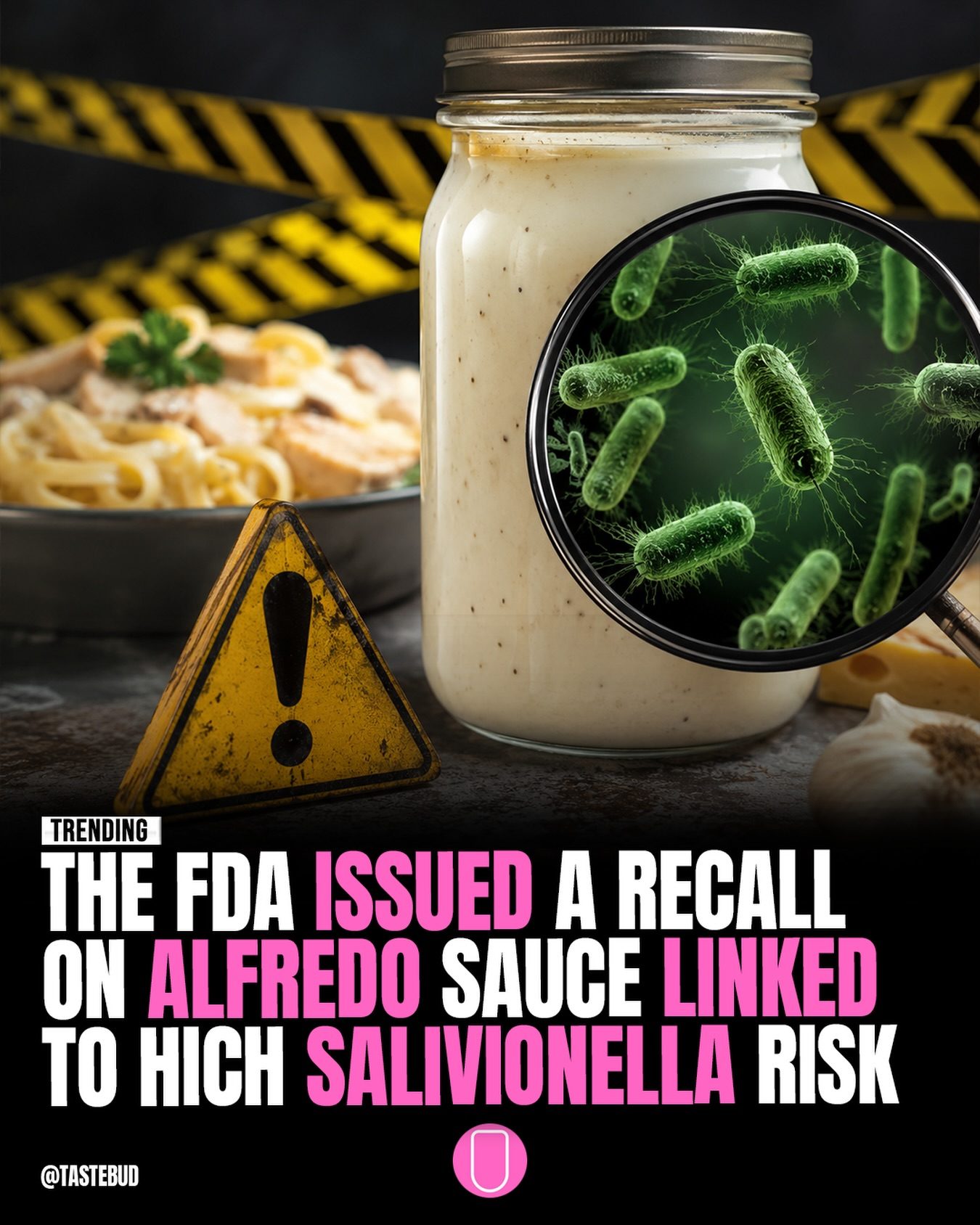
Alfredo Sauce Recall
An urgent recall has been issued for Alfredo sauce, elevated to the FDA's highest risk level due to potential salmonella contamination. This recall is significant not only for its health implications but also for its wide reach across various food service locations.
Context / Why this matters
The contaminated Alfredo sauce has been distributed in large quantities across numerous food service facilities, including restaurants, schools, and hospitals. This widespread distribution means that many people may have been exposed to the contaminated product without realizing it. The issue originated from a supplier’s milk powder, which was found to be contaminated with salmonella. This milk powder was then incorporated into the Alfredo sauce, leading to the potential health crisis.
Understanding the implications of this recall is crucial. Foodborne illnesses, particularly those caused by salmonella, can lead to severe symptoms such as fever, diarrhea, and abdominal cramps. Children, the elderly, and those with compromised immune systems are particularly vulnerable to the complications that can arise from these infections.
Main discussion
The Spread and Impact
The recall, issued by the FDA, has been classified at the highest level of risk, which emphasizes the severity of the situation. Because Alfredo sauce is commonly used in a variety of dishes, the potential for widespread contamination is significant. The sauce is frequently used in pasta dishes, casseroles, and other meals served in food service locations. This means that many people may have consumed contaminated food without being aware of the risk.
Why Food Service Locations are at Risk
Food service locations like restaurants, schools, and hospitals often rely on pre-made sauces and ingredients to prepare meals efficiently. This reliance on pre-made products increases the risk of contamination if those products are found to be contaminated. The Alfredo sauce in question was primarily distributed to these institutions, meaning that the risk of exposure is concentrated in these settings.
The Role of Suppliers
The contamination was traced back to a supplier’s milk powder, which was used in the production of the Alfredo sauce. This highlights the importance of stringent quality control measures throughout the supply chain. Suppliers must ensure that their products are free from contaminants, and manufacturers must verify the safety of the ingredients they receive.
Consumer Awareness
For consumers, especially those who frequent food service locations, it's important to stay informed. While the recall primarily affects institutional buyers, consumers can still be affected if they dine at a location that has used the contaminated sauce. Whether you're a parent sending a child to school or a patient in a hospital, being aware of recalls and outbreaks is essential.
Practical tips
Given the widespread distribution of the contaminated Alfredo sauce, there are several practical steps that consumers and food service providers can take to mitigate the risk:
For Consumers
-
Stay Informed: Keep an eye on official recall notices and advisories. The FDA and other health organizations regularly update their websites with the latest information on food recalls and outbreaks.
-
Ask Questions: If you are dining at a restaurant, school, or hospital, don't hesitate to ask about the source of their ingredients. While this may not prevent exposure, it can provide peace of mind.
-
Report Symptoms: If you experience symptoms of salmonella poisoning, such as fever, diarrhea, and abdominal cramps, seek medical attention immediately.
For Food Service Providers
-
Check Suppliers: Ensure that all ingredients, including Alfredo sauce, are sourced from reputable suppliers with strict quality control measures.
-
Monitor Recalls: Regularly check for recall notices and advisories. If any of the ingredients you use have been recalled, remove them from your inventory immediately.
-
Educate Staff: Train your staff on the importance of handling and storing ingredients safely. This includes proper hygiene practices and storage conditions.
Important Takeaways
Salmonella contamination is a serious health risk, and outbreaks can occur unexpectedly. The Alfredo sauce recall underscores the importance of vigilance in the food supply chain. For consumers, staying informed and aware of recalls can help mitigate the risk. For food service providers, implementing strict quality control measures and monitoring recalls is essential to protect public health.
Conclusion
The recall of Alfredo sauce due to potential salmonella contamination is a stark reminder of the importance of food safety. With widespread distribution across food service locations, the risk of exposure is significant. By staying informed, asking questions, and adhering to strict quality control measures, both consumers and food service providers can play a role in preventing future outbreaks.
Watch the Reel
Questions readers ask
Which brands and products are affected by the Alfredo sauce recall?
The recall specifically involves Alfredo sauce products from Tastebuds. The recall is focused on products with milk powder supplied by a contaminated supplier. Consumers should check the product labels and the FDA's official recall list to identify affected items.
What are the symptoms of salmonella infection?
Symptoms of salmonella infection typically include diarrhea, fever, and abdominal cramps. These symptoms usually develop within 12 to 72 hours after consuming the contaminated food. Most people recover without treatment but should monitor their health closely.
How can I determine if I have consumed the recalled Alfredo sauce?
If you have dined at restaurants, schools, or hospitals between the dates specified in the recall notice, there is a possibility you may have consumed the affected Alfredo sauce. Check the recall list for the specific dates and locations. If you suspect exposure, monitor your health for any signs of salmonella infection.
What should I do if I have consumed the recalled Alfredo sauce and feel ill?
If you suspect you have consumed the recalled Alfredo sauce and are experiencing symptoms such as diarrhea, fever, or abdominal cramps, seek medical attention immediately. Inform your healthcare provider about your potential exposure to the contaminated product.
How can food service locations ensure they are not serving recalled Alfredo sauce?
Food service locations should immediately check their inventory for the recalled Alfredo sauce products and remove them from their menus. They should also follow the FDA's guidelines for proper disposal and sanitation to prevent further contamination.
What steps are being taken to prevent future outbreaks of salmonella contamination?
The FDA is working closely with the supplier to identify and address the source of the contamination. Food service providers should conduct thorough inspections and maintain strict sanitation procedures to minimize the risk of future outbreaks.
Related deep dives
Similar reads based on topic and creator.


Recent articles
Fresh deep dives from the latest Reels we unpacked.




Comments
Be the first to comment.