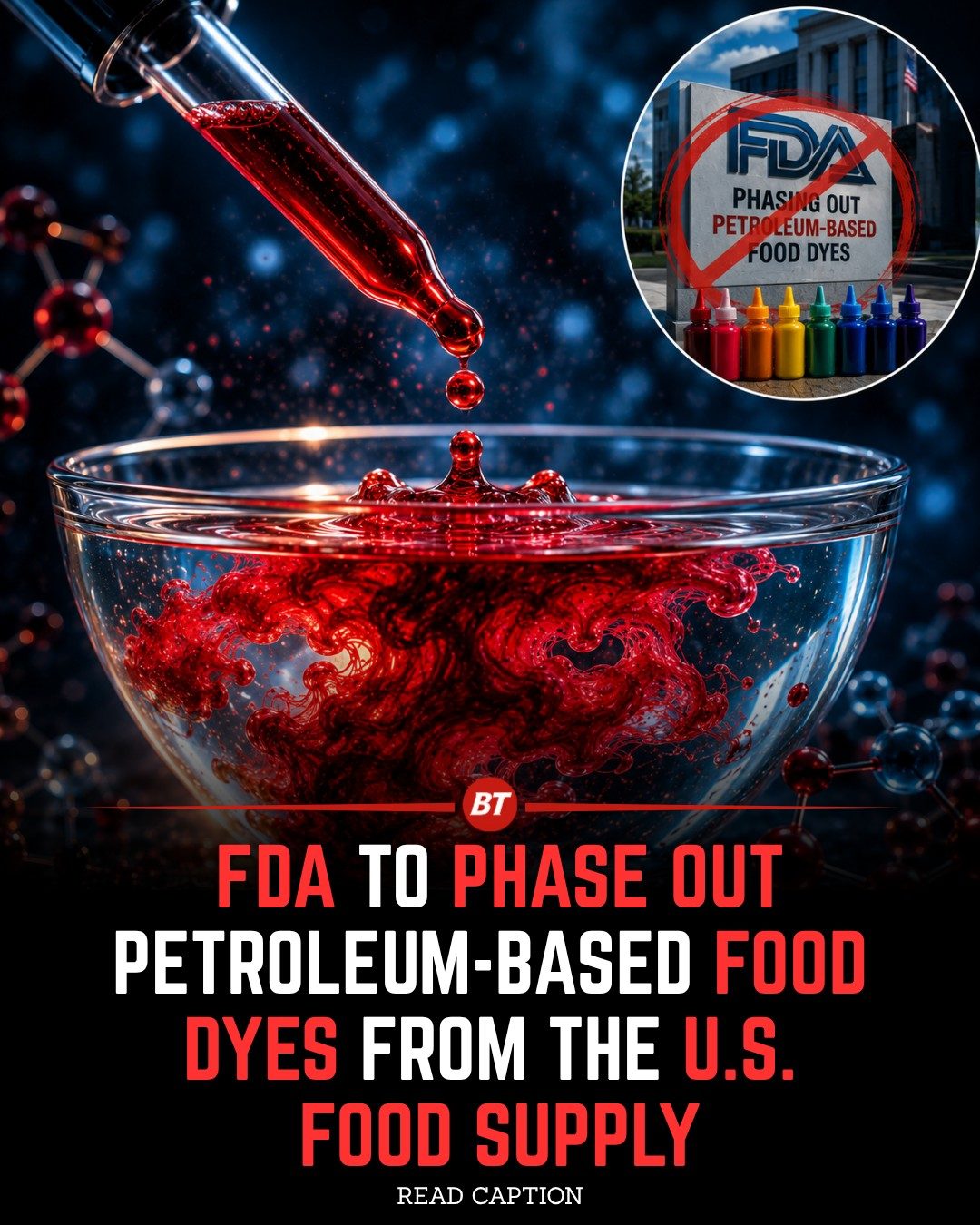
Food Dye Phase Out
The U.S. Food and Drug Administration (FDA) is taking a significant step towards enhancing food safety by phasing out petroleum-based synthetic food dyes from the food supply. This move is one of the most substantial changes to processed foods in recent decades, affecting everything from candies and cereals to soft drinks, desserts, and snack foods.
Why This Matters
Food dyes have long been a contentious topic in the food industry. These synthetic colors are derived from petroleum and are commonly used to give vivid hues to a variety of processed foods. However, concerns about their potential health impacts have led to stricter regulations in many countries. The FDA's decision to phase out these dyes is a response to growing consumer demand for more natural and safer food products.
The Transition Plan
The FDA is collaborating with food manufacturers to eliminate several petroleum-based synthetic food dyes, including:
- Red 40
- Yellow 5
- Yellow 6
- Blue 1
- Blue 2
- Green 3
- Citrus Red No. 2
- Orange B
These dyes have been the subject of debate for years due to studies suggesting they may increase hyperactivity and behavioral problems in children. Additionally, certain dyes have raised concerns in animal research, prompting many countries to require warning labels or implement stricter regulations.
Natural Alternatives
To replace these synthetic dyes, manufacturers are increasingly turning to natural pigments extracted from plants and other natural sources. Some of the plant-based alternatives include:
- Beets
- Turmeric
- Paprika
- Spirulina
- Purple sweet potatoes
- Butterfly pea flowers
These natural pigments can provide vibrant colors without relying on petroleum-derived chemicals, making them a safer and more appealing option for health-conscious consumers.
The Impact on Food Products
The transition to natural colorants will take time, but consumers can expect to see more products with naturally colored ingredient lists in the coming years. While some foods may undergo slight changes in appearance, the FDA emphasizes that the goal is to reduce reliance on synthetic dyes and expand the availability of safer, natural alternatives.
Practical Tips for Consumers
As the food industry makes this shift, consumers can take several steps to ensure they are making informed choices:
Check Ingredient Labels
Look for naturally derived colorings such as:
- Beet juice
- Turmeric
- Paprika extract
- Spirulina
- Annatto
- Beta-carotene
Avoid products that list artificial dyes like Red 40, Yellow 5, or Blue 1.
Stay Informed
Keep an eye on updates from the FDA and other regulatory bodies. The transition process may involve ongoing changes and announcements that could affect the availability of certain products or the introduction of new, naturally colored alternatives.
Support Natural Food Products
Opt for brands that prioritize natural ingredients and transparent labeling. Supporting these companies can drive the industry towards more sustainable and healthier practices.
Important Takeaways
The FDA’s initiative to phase out petroleum-based synthetic food dyes is a significant development in the food industry. It reflects a growing emphasis on consumer health and safety, as well as a broader shift towards more natural and sustainable food practices. By understanding the changes and making informed choices, consumers can help support this transition and contribute to a healthier food supply.
Conclusion
The phase-out of petroleum-based synthetic food dyes marks a pivotal moment in the evolution of food safety and consumer health. As manufacturers move towards more natural alternatives, consumers play a crucial role in driving this change. By being mindful of ingredient labels and supporting natural food products, everyone can contribute to a safer and healthier food supply.
Watch the Reel
Questions readers ask
What are petroleum-based food dyes and why are they being phased out?
Petroleum-based food dyes are synthetic colors derived from petroleum, commonly used to enhance the appearance of processed foods. The FDA is phasing them out due to health concerns and increasing consumer preference for natural ingredients.
Which foods will be affected by the FDA's decision to phase out synthetic food dyes?
The phase-out will impact a wide range of processed foods, including candies, cereals, soft drinks, desserts, and snack foods. These are the foods that typically contain synthetic dyes for vibrant colors.
What are some natural alternatives to petroleum-based food dyes?
Manufacturers are encouraged to use natural pigments. Some popular alternatives include beetroot for red hues, turmeric for yellow, and spirulina for blue and green colors.
How will the FDA's ban on synthetic dyes impact food manufacturers?
Food manufacturers will need to reformulate their products to replace synthetic dyes with natural alternatives. This may involve changes in ingredient sourcing and production processes to ensure color consistency and stability.
Are there any health concerns associated with petroleum-based food dyes?
Some studies suggest that synthetic food dyes may be linked to hyperactivity in children and other potential health issues. While more research is needed, the FDA's decision reflects a precautionary approach to food safety.
Recent articles
Fresh deep dives from the latest Reels we unpacked.




Comments
Be the first to comment.