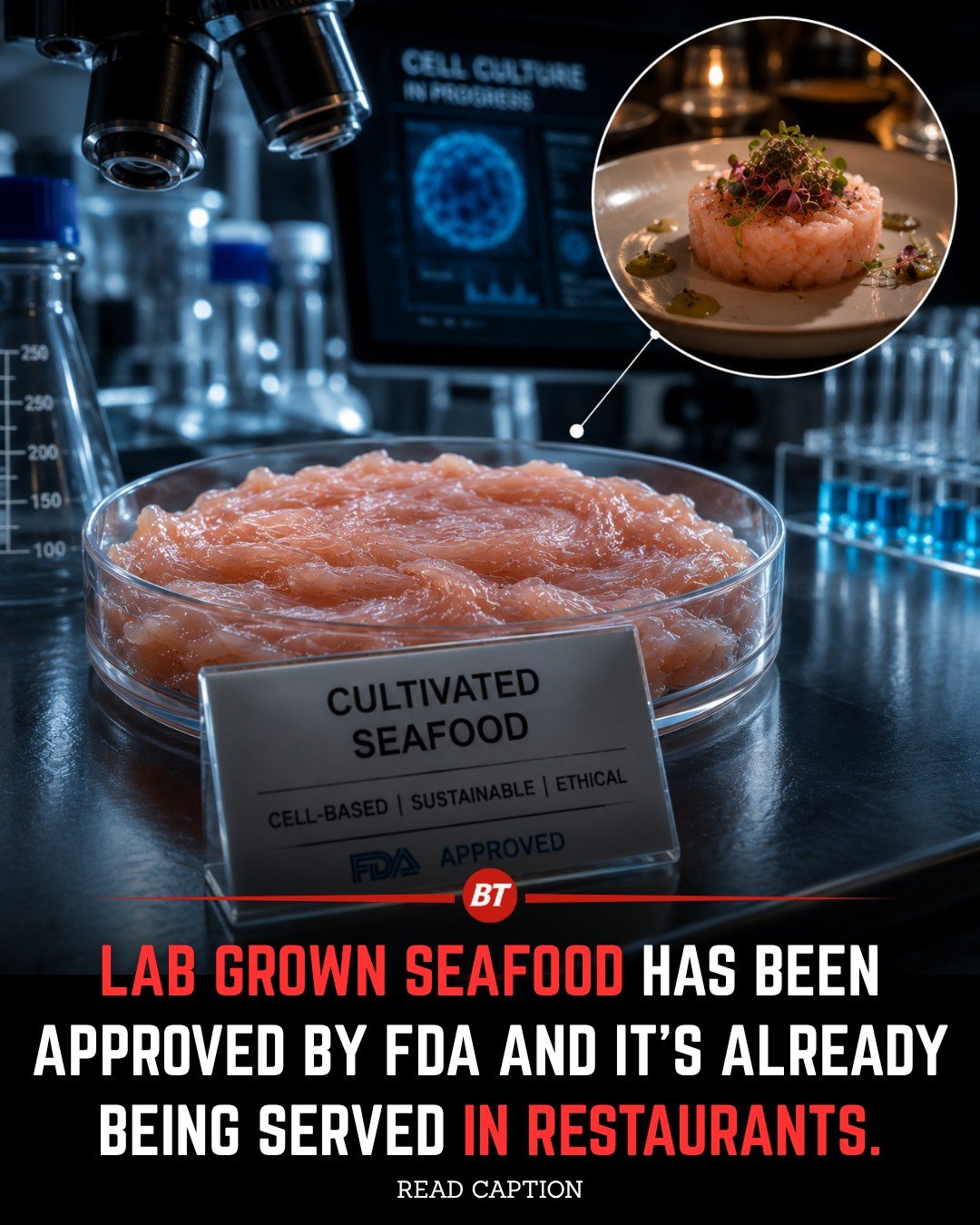
Cultivated seafood, a cutting-edge innovation in food technology, is officially part of the U.S. food system. The FDA has completed its first pre-market safety consultation for cultivated salmon, marking a significant milestone in the future of food. This milestone means lab-grown salmon is now served in select U.S. restaurants.
Context / Why this matters
The introduction of cultivated salmon into the food system is a groundbreaking development with far-reaching implications. With overfishing and environmental concerns mounting, this technology offers a sustainable alternative to traditional seafood production. It also addresses issues related to contaminants like mercury, providing a safer option for consumers.
Main discussion
What is cultivated seafood?
Cultivated seafood, also known as cell-based seafood, is produced by growing fish cells in controlled laboratory environments. This method starts with a small sample of fish cells, which are cultured in specialized tanks to produce real fish tissue. The process eliminates the need to harm or kill entire fish, making it a more ethical and environmentally friendly option compared to traditional fishing or aquaculture.
The FDA approval process
The regulatory process for cultivated seafood has been extensive. Because seafood falls under the oversight of the FDA, the agency conducted a thorough evaluation of the production process. The FDA reviewed the safety measures and concluded that there were no further questions regarding the product's safety. This rigorous assessment is part of the FDA's pre-market safety consultation, which ensures that cultivated salmon meets the necessary standards before being served in restaurants.
Environmental and ethical considerations
The environmental impact of traditional seafood production is a major concern. Overfishing has depleted many ocean ecosystems, and aquaculture can have significant environmental footprints. Cultivated seafood offers a more sustainable solution. By reducing the demand for wild-caught and farm-raised fish, it helps alleviate pressure on ocean ecosystems. Additionally, the controlled environment of cell-based production minimizes exposure to contaminants, offering a safer and cleaner product.
Economic and consumer acceptance
Despite its benefits, cultivated seafood faces challenges. It is currently more expensive to produce than traditional seafood, which could affect its accessibility and consumer acceptance. While some restaurants have already started serving cultivated salmon, widespread availability in grocery stores remains limited. The gradual rollout of cultivated seafood production is essential for meeting growing demand and reducing costs over time.
Comparison with conventional seafood
Cultivated seafood is not a perfect replacement for traditional seafood, but it offers a compelling alternative. Supporters highlight its potential to address environmental and ethical concerns, while critics point out the need for further research on its long-term effects. The role of cultivated seafood in the future will depend on how well it integrates into existing food systems and how consumers adapt to this new technology.
The role of technology in food production
The development of cultivated seafood is a testament to the advancing role of technology in food production. It represents a shift towards more sustainable and ethical practices, aligning with the growing demand for eco-friendly and humane food products. This technology has the potential to transform the food industry, offering new solutions to pressing environmental and ethical challenges.
Practical tips
Some consumers might be hesitant to try cultivated seafood, but here are a few tips for those interested in exploring this innovative food option:
- Try it in a restaurant: Select restaurants are already serving cultivated salmon. This is an excellent opportunity to experience cultivated seafood in a unique setting.
- Read the menu: Look out for dishes that feature cultivated seafood. Be aware that this might not be clearly labeled as "lab-grown" on the menu, so ask your server for clarification.
- Be open-minded: Remember that cultivated seafood is designed to mimic the taste and texture of traditional seafood. An open mind can enhance your dining experience.
Important takeaways
- Cultivated seafood, specifically salmon, has received FDA approval and is now being served in select U.S. restaurants.
- This technology offers a sustainable and ethical alternative to traditional seafood, addressing environmental and health concerns.
- While there are challenges related to cost and consumer acceptance, the potential benefits make it a significant development in food technology.
- Cultivated seafood is part of a broader shift towards more sustainable and ethical food practices, driven by technological advancements.
Conclusion
Cultivated seafood represents a significant step forward in the future of food. Its introduction into the U.S. food system marks a milestone in the journey towards more sustainable and ethical food production. While there are challenges to overcome, the potential benefits are undeniable. As consumers become more familiar with and accepting of this innovative food option, cultivated seafood could play a crucial role in shaping the future of seafood and the broader food industry.
Watch the Reel
Questions readers ask
What does FDA approval of lab-grown salmon mean for consumers?
FDA approval ensures that lab-grown salmon is safe for consumption, providing consumers with a new, sustainable seafood option. This approval means that lab-grown salmon can now be served in restaurants, offering diners a chance to try this innovative, responsibly-sourced seafood.
How does lab-grown salmon address environmental concerns?
Lab-grown salmon reduces the demand for wild-caught or farm-raised fish, helping to alleviate pressure on marine ecosystems and decreasing the impact of overfishing. By growing fish in controlled environments, this technology minimizes environmental disruption and promotes sustainability.
What are the benefits of choosing lab-grown salmon over traditional seafood?
Lab-grown salmon offers several benefits, including reduced environmental impact, no risk of overfishing, and lower exposure to contaminants like mercury. Additionally, it provides a consistent and ethical alternative to traditional seafood, supporting a more sustainable food system.
Where can I find lab-grown salmon to try?
Lab-grown salmon is now available in select restaurants across the U.S. As this technology becomes more mainstream, it is expected that more dining establishments will begin to offer lab-grown salmon on their menus. Keep an eye out for participating restaurants in your area.
What does the future hold for lab-grown salmon and other cultivated seafood?
The future of lab-grown salmon and other cultivated seafood looks promising. As technology advances, and more companies enter the market, it is expected that the availability and variety of lab-grown seafood options will continue to grow, making a more sustainable food system within reach.
Is lab-grown salmon nutritionally similar to traditional salmon?
Lab-grown salmon is designed to mimic the taste, texture, and nutritional profile of traditional salmon. While the exact nutritional content may vary slightly, lab-grown salmon is intended to provide a similar nutritional experience, ensuring that consumers do not sacrifice health benefits when choosing this sustainable alternative.
Related deep dives
Similar reads based on topic and creator.

Recent articles
Fresh deep dives from the latest Reels we unpacked.




Comments
Be the first to comment.