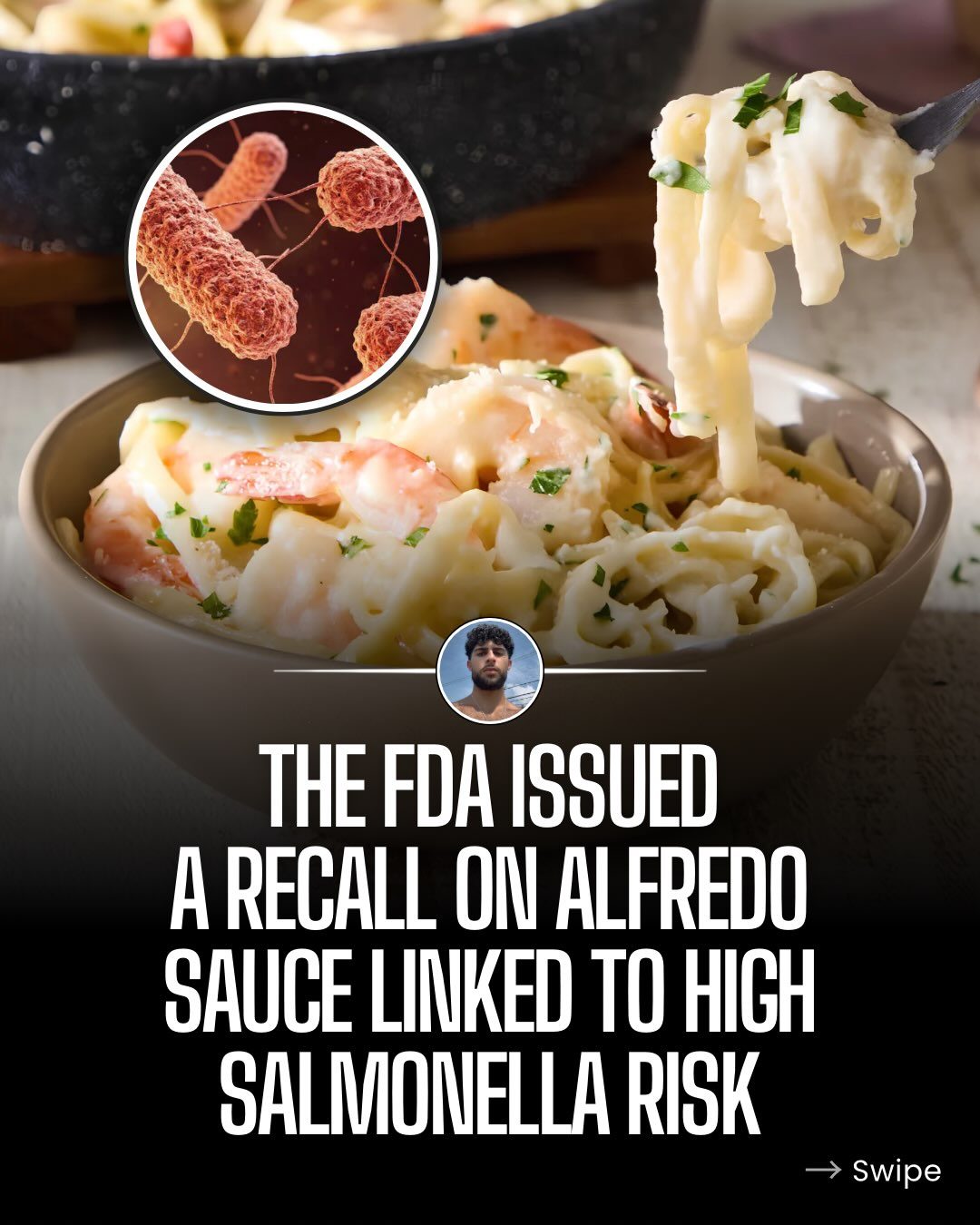
Alfredo Sauce Recall
Alfredo sauce, a staple in many pasta dishes, has recently been the subject of a significant recall. The Food and Drug Administration (FDA) has upgraded this recall to Class I, the most serious level, indicating a reasonable risk of severe illness or death.
Context / Why This Matters
The recall affects 913 cases of Alfredo sauce distributed across 41 states. The issue stems from contaminated dry milk powder supplied to The Coffee Connexion Co., the manufacturer of the recalled Alfredo sauce. This contamination poses a high risk of salmonella, a bacterium that can cause serious and sometimes fatal infections in young children, frail or elderly people, and others with weakened immune systems. The recall is not limited to Alfredo sauce: the same supplier triggered a recall of nearly 11,000 cases of Aramark cheese sauce, affecting more than 4 million foodservice servings.
The impact of this recall is significant because the Alfredo sauce was sold to restaurants, hospitals, schools, hotels, and cafeterias—not grocery stores. This means that many people may have consumed the contaminated sauce without realizing it, as the product was not sold directly to consumers.
Main Discussion
The Role of the FDA
The FDA plays a crucial role in protecting public health by overseeing the safety of food products. When a food product is recalled, the FDA evaluates the risk to public health and classifies the recall accordingly. A Class I recall, the most serious classification, indicates that there is a reasonable probability that the use of or exposure to a violative product will cause serious adverse health consequences or death. In this case, the presence of salmonella in the Alfredo sauce warranted an escalation to a Class I recall.
Understanding the Contamination
The contamination source was traced back to the dry milk powder supplied by a third-party vendor. Dry milk powder is a common ingredient in many food products, including sauces, and is used to enhance thickness, creaminess, and nutritional value. However, if the powder is contaminated with salmonella, it can pose a significant health risk. The Coffee Connexion Co. acted quickly upon discovering the contamination, initiating a recall of all affected Alfredo sauce products.
The Scope of the Recall
The recall affects 913 cases of Alfredo sauce distributed across 41 states. This widespread distribution highlights the extensive reach of the contamination and the potential risk to a large population. The recall involves not only Alfredo sauce but also Aramark cheese sauce, further emphasizing the broad impact of the contamination.
Where the Contaminated Sauce Was Sold
Distributed to restaurants, hospitals, schools, hotels, and cafeterias, the contaminated Alfredo sauce may have been used in various settings where large numbers of people consume meals. This distribution pattern means that the risk of exposure is not limited to a single type of establishment or location. People who frequented these establishments may have unknowingly consumed the contaminated sauce.
The Impact on Foodservice Industries
The recall affects foodservice industries that rely on pre-made sauces for their daily operations. Restaurants, hospitals, schools, hotels, and cafeterias often use these sauces to prepare meals efficiently. The recall highlights the importance of vigilance and quick action when a contamination risk is identified. Foodservice providers must ensure that their suppliers adhere to strict safety protocols to prevent such incidents.
The Salmonella Risk
Salmonella is a bacterium that can cause salmonellosis, a serious infection characterized by fever, diarrhea, and abdominal cramps. In severe cases, the infection can spread to the bloodstream and beyond, leading to life-threatening conditions. Young children, the elderly, and individuals with compromised immune systems are particularly vulnerable to severe infections.
Practical Tips
If you manage a foodservice establishment, consider the following steps to protect your patrons:
Verify Supplier Safety
Ensure that all suppliers adhere to strict safety protocols and regularly inspect their facilities. Conduct audits and request documentation of their safety practices and certifications.
Implement a Recall Protocol
Develop a clear recall protocol that outlines the steps to take when a food product is recalled. This protocol should include checking suppliers, identifying potentially affected products, and notifying customers.
Cross-Contamination Prevention
Train staff on proper handling, storage, and cross-contamination prevention techniques. This includes washing hands, using gloves, and sanitizing surfaces regularly.
Monitor for Symptoms
Be aware of the symptoms of salmonellosis and monitor staff and customers for any signs of illness. Encourage those who show symptoms to seek medical attention promptly.
Alternate Ingredients
Consider using fresh, locally-sourced ingredients when feasible, as they pose a lower risk of contamination. This can also enhance the quality and freshness of your dishes.
Important Takeaways
The Importance of Supplier Vetting
Supplier vetting is crucial for maintaining food safety. Ensure that your suppliers follow strict safety protocols and regularly inspect their facilities.
The Role of the FDA
The FDA's recall classification system helps identify the severity of a contamination risk. A Class I recall indicates a significant health risk, and immediate action is required.
The Impact on Foodservice Industries
The recall highlights the importance of vigilance and quick action in the foodservice industry. Establishments must ensure that their suppliers adhere to strict safety protocols and have a recall protocol in place.
Protecting Vulnerable Populations
Salmonella poses a significant risk to vulnerable populations, including young children, the elderly, and individuals with compromised immune systems. It is essential to take precautions to protect these groups.
Conclusion
The Alfredo sauce recall underscores the importance of food safety and the need for vigilance in the foodservice industry. By understanding the risks, implementing practical safety measures, and being prepared for recalls, establishments can protect their patrons and maintain a high standard of food safety.
Watch the Reel
Questions readers ask
What should I do if I have the recalled Alfredo sauce at my restaurant?
If you have the recalled Alfredo sauce, do not use it. Dispose of it safely and contact your supplier for a refund or replacement. Ensure that you have a record of the batch numbers to verify the recall details.
How do I know if my Alfredo sauce is part of the recall?
Check the batch numbers and distribution details provided by the FDA. If your sauce matches the recalled batch numbers and was distributed in one of the 41 affected states, it is part of the recall. Contact your supplier if you are unsure.
What are the symptoms of salmonella infection?
Symptoms of salmonella infection typically include diarrhea, fever, and abdominal cramps. These symptoms usually develop 12 to 72 hours after eating contaminated food and can last 4 to 7 days. If you experience these symptoms, seek medical attention, especially if you are in a high-risk group.
Which states are affected by the Alfredo sauce recall?
The recall spans 41 states, covering a wide range of the U.S. To determine if your state is affected, refer to the list of states provided in the official FDA recall notice. This list is comprehensive and includes all states where the contaminated sauce was distributed.
Why is this recall considered the most serious level?
The recall is classified as a Class I recall, the most serious level, because it involves a high risk of severe illness or death. This is particularly concerning for vulnerable populations, such as young children, elderly individuals, and those with weakened immune systems, who are at greater risk of serious complications from salmonella infection.
What caused the salmonella contamination in the Alfredo sauce?
The contamination was traced back to contaminated dry milk powder supplied to The Coffee Connexion Co., the manufacturer of the Alfredo sauce. The dry milk powder was found to be contaminated with salmonella, leading to the widespread recall of the affected sauce.
What precautions should foodservice providers take during a recall?
Foodservice providers should immediately stop using the recalled product, check their inventory for any affected batches, and follow the proper disposal procedures. They should also notify their customers and suppliers about the recall and work with their suppliers to arrange for a replacement. Ensuring strict hygiene and food handling practices can also mitigate further risks.
Related deep dives
Similar reads based on topic and creator.

Recent articles
Fresh deep dives from the latest Reels we unpacked.



Comments
Be the first to comment.