
A New Era in Medical Imaging: Sound and Water-Based Technology
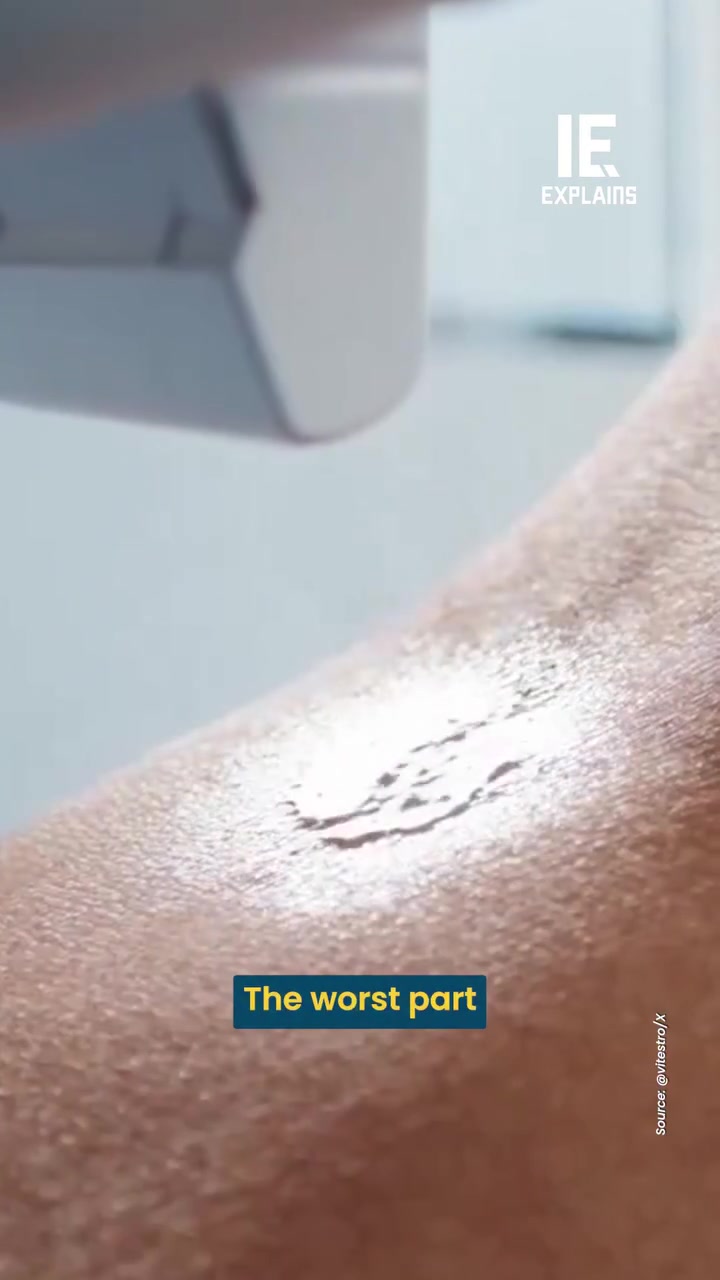
A revolutionary medical imaging technology harnesses the power of water and sound to capture detailed internal body images without relying on magnets or radio waves. This innovative approach can generate hundreds of slices in a mere 60 seconds, making it nearly 100 times faster than traditional Magnetic Resonance Imaging (MRI) methods. This groundbreaking advancement could significantly enhance the accessibility and efficiency of medical scans, while a smart speaker appears to be involved in this medical imaging technology.
Context: Why This Matters
Traditional MRI scans have been a cornerstone of medical diagnostics for decades. However, they come with notable drawbacks, including long scan times, high costs, and the need for patients to remain still within a confined, often claustrophobic space. This new technology, which utilizes water and sound waves, addresses these issues by offering a faster, potentially more comfortable, and more efficient alternative.
Understanding the New Technology
How It Works
This advanced imaging technique employs water and sound waves to create detailed images of the body. Unlike traditional MRIs, which use magnetic fields and radio waves, this new method does not require patients to be exposed to these elements. This could be particularly beneficial for patients with certain medical devices, such as pacemakers, who may be ineligible for traditional MRI scans.
The process involves generating sound waves that interact with the water in the body, creating a detailed map of internal structures. This method can produce hundreds of slices in just 60 seconds, making it far more efficient than traditional MRI scans, which can take much longer. This speed not only improves patient comfort but also allows for quicker diagnoses and potentially better outcomes.
Benefits of the New Technology
One of the most significant advantages of this new technology is its speed. By producing hundreds of slices in just 60 seconds, it can dramatically reduce the time patients spend in the scanner. This not only improves patient comfort but also allows healthcare providers to process more scans in a given time frame, increasing overall efficiency.
Additionally, the use of water and sound waves eliminates the need for magnetic fields and radio waves, making the technology potentially safer and more accessible for a broader range of patients. This could be particularly beneficial for individuals with medical devices that are incompatible with traditional MRI machines.
Main Discussion
Faster Scans
The speed of this new imaging technique is one of its most compelling features. Traditional MRI scans can take anywhere from 15 to 60 minutes, depending on the complexity of the scan and the area being imaged. In contrast, this new method can produce detailed images in just 60 seconds. This speed not only improves patient comfort but also allows healthcare providers to process more scans in a given time frame, increasing overall efficiency.
Enhanced Patient Comfort
The use of water and sound waves, rather than magnetic fields and radio waves, can make the scanning process more comfortable for patients. Traditional MRI scans require patients to remain still within a confined, often claustrophobic space. This can be challenging for individuals with claustrophobia, anxiety, or other conditions that make it difficult to remain still. The new technology, by contrast, may offer a more comfortable and less stressful experience.
Broader Accessibility
By eliminating the need for magnetic fields and radio waves, this new technology can make medical imaging more accessible to a broader range of patients. Individuals with certain medical devices, such as pacemakers, may be ineligible for traditional MRI scans due to the risk of interference. This new method, however, does not pose the same risks, potentially opening up a new avenue for diagnosis and treatment.
Practical Tips
While this new technology is still in its early stages, there are several practical considerations for patients and healthcare providers.
For Patients
- Preparation: As with any medical procedure, patients should follow their healthcare provider's instructions for preparation. This may include guidelines on hydration, fasting, or other precautions.
- Comfort: Patients should wear comfortable clothing and inform their healthcare provider of any concerns or anxieties they may have about the procedure.
- Follow-Up: After the scan, patients should follow up with their healthcare provider to discuss the results and any necessary next steps.
For Healthcare Providers
- Training: Healthcare providers should undergo proper training to operate the new imaging equipment and interpret the results accurately.
- Patient Education: It is essential to educate patients about the benefits and potential risks of the new technology, ensuring they are comfortable and informed about the procedure.
- Integration: Healthcare providers should consider how to integrate this new technology into their existing diagnostic workflows, ensuring seamless and efficient patient care.
Important Takeaways
- Speed: This new imaging technology can produce detailed images in just 60 seconds, making it nearly 100 times faster than traditional MRI scans.
- Comfort: The use of water and sound waves can make the scanning process more comfortable for patients, reducing the need for them to remain still in a confined space.
- Accessibility: By eliminating the need for magnetic fields and radio waves, this new technology can make medical imaging more accessible to a broader range of patients, including those with certain medical devices.
Conclusion
The advent of this new medical imaging technology marks a significant step forward in healthcare. By harnessing the power of water and sound waves, it offers a faster, more comfortable, and potentially more accessible alternative to traditional MRI scans. As this technology continues to develop, it has the potential to revolutionize medical diagnostics, improving patient outcomes and enhancing overall efficiency in healthcare settings.
Watch the Reel
Questions readers ask
How does the new sound and water-based MRI technology work?
The new technology utilizes the properties of water and sound waves to create detailed body images. Instead of relying on magnets and radio waves like traditional MRI machines, this method uses sound waves to stimulate water molecules in the body, which then produce signals that are processed to generate images.
Why is the smart speaker technology significant in this new medical imaging method?
The smart speaker technology plays a crucial role in this new method by enhancing the precision and efficiency of the imaging process. It helps in coordinating the sound waves and the movement of the body in the water, ensuring that the scans are accurate and quick, and it allows for better integration with other medical devices.
Can this new technology be used on patients with metal devices in their bodies?
Yes, one of the key advantages of this new technology is that it does not use magnets. Therefore, it is safe for patients with metal implants, such as pacemakers or joint replacements, who would otherwise be unable to undergo traditional MRI scans.
How much faster are the new MRI scans compared to traditional methods?
The new sound and water-based MRI technology can generate hundreds of slices in just 60 seconds, making it nearly 100 times faster than traditional MRI methods, which can take up to 10 minutes per sequence, depending on the body part being scanned.
What are the potential benefits of this new MRI technology for patients?
This new technology offers several potential benefits for patients, including faster scan times, which means less time spent in the scanning machine and reduced discomfort. Additionally, it is more accessible for patients with metal implants and may be more cost-effective due to the reduced scan time.
Can this new MRI technology be used for all types of scans?
Currently, the technology is in its early stages, so it is not yet clear. However, the developers are working on expanding the capabilities of this method to cover a wide range of medical imaging needs, potentially making it suitable for various types of scans in the future.
Is this new MRI technology safe for all patients, including those with claustrophobia?
The new MRI technology is designed to be more comfortable for patients, including those with claustrophobia. Since the technology does not involve the use of large, enclosed machines, it could provide a more open and less intimidating experience for patients, making it a viable option for those who struggle with traditional MRI scans.
Related deep dives
Similar reads based on topic and creator.
Recent articles
Fresh deep dives from the latest Reels we unpacked.



Comments
Be the first to comment.