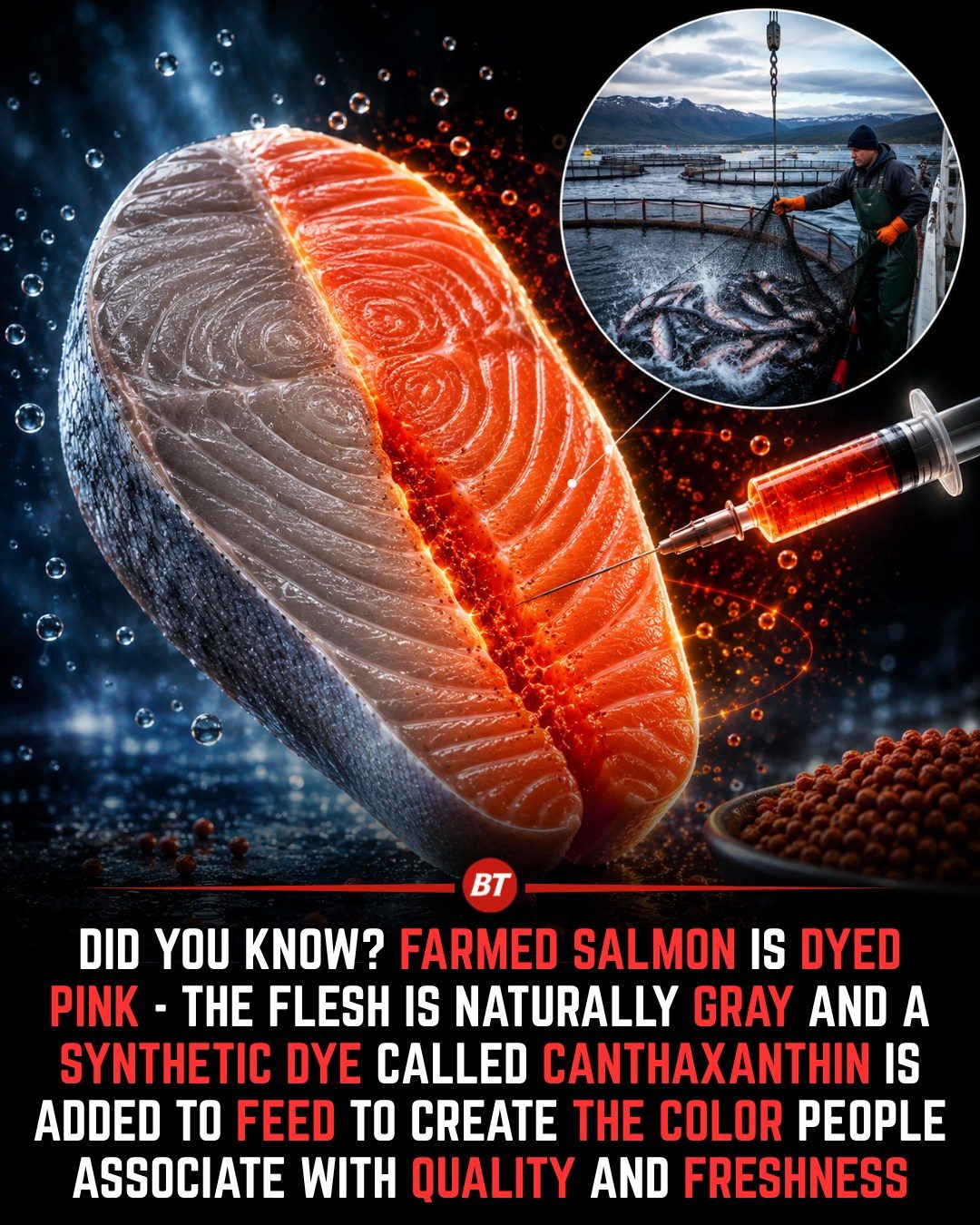
Salmon Dyeing: The Science Behind the Pink Color
The vibrant pink color of salmon is often associated with quality and freshness. However, the pink hue that consumers typically expect from farmed salmon isn't a natural trait of the fish. Instead, it's a result of carefully managed diet and nutrition. The natural color of salmon flesh is grayish-white, but through the addition of specific pigments to their feed, farmers can achieve the desired pink color.
Why This Matters
Understanding how the pink color in salmon is achieved is crucial for consumers who value transparency in their food sources. Knowledge about salmon dyeing practices can help inform dietary choices and dispel myths about the naturalness of farmed salmon.
Salmon in the Wild vs. Farmed Salmon
Natural Diet and Color
In the wild, salmon develop their pink flesh through a diet rich in astaxanthin, a red-orange carotenoid pigment. This pigment is found in tiny crustaceans, such as krill and shrimp, which salmon consume over years. As astaxanthin accumulates in the salmon's muscles, their flesh gradually turns the vibrant pink that consumers associate with wild-caught salmon.
Farming Practices and Pigments
Farmed salmon do not have access to the same natural diet as their wild counterparts. To replicate the pink color, farmers add astaxanthin—and sometimes canthaxanthin—to the salmon feed. These pigments are the same types of carotenoids found in the wild food chain, allowing the farmed salmon to develop the desired color.
The Role of Astaxanthin and Canthaxanthin
Astaxanthin and canthaxanthin are carotenoid pigments that play a significant role in the coloring of farmed salmon. These pigments are approved by food safety agencies and are considered safe at regulated levels. They can be produced synthetically or derived from natural sources, such as microalgae.
The Color Guide: SalmoFan™
Fish farmers use a color guide called the SalmoFan™ to ensure they achieve the exact shade of pink they desire. This guide helps them monitor the color development in the salmon, ensuring consistency and meeting consumer expectations for a vibrant, pink flesh.
Practical Tips for Choosing Salmon
Understanding Labels
When shopping for salmon, understanding the labels can help consumers make informed choices. Look for labels that specify the source of the salmon and the type of pigments used in the feed. Some farms may use natural sources of astaxanthin, while others may rely on synthetic sources.
Evaluating Color
While the pink color is often associated with quality, it's important to remember that the actual color can vary based on the salmon's diet and the specific pigments used. A deeper, more vibrant pink does not necessarily indicate higher quality or freshness.
Considering Freshness
The color of salmon is just one aspect of its quality. Freshness is also crucial. A good indicator of freshness is the smell and texture of the salmon. Fresh salmon should have a mild, ocean-like smell and a firm texture.
Important Takeaways
- The familiar pink color of most farmed salmon is not natural; it is achieved through the addition of specific pigments to the salmon's feed, primarily astaxanthin and canthaxanthin.
- Wild salmon develop their pink color through a diet rich in astaxanthin, found in crustaceans like krill and shrimp.
- Farmed salmon are fed these pigments to replicate the natural pink color, ensuring they meet consumer expectations for freshness and quality.
- The SalmoFan™ color guide is used by farmers to achieve the desired shade of pink in their salmon.
Conclusion
The pink color of salmon is a fascinating example of how diet and nutrition can influence the appearance and quality of food. By understanding the science behind salmon dyeing, consumers can make more informed choices about the salmon they purchase and consume. Whether wild-caught or farmed, the vibrant pink color of salmon is a result of carefully managed diets and nutrition, ensuring that the fish meets the high standards of quality and freshness that consumers expect.
Watch the Reel
Questions readers ask
Why isn't farmed salmon naturally pink?
Farmed salmon's natural flesh color is grayish-white. The pink color is achieved by adding specific pigments, namely astaxanthin and canthaxanthin, to their feed. These pigments mimic the color found in wild salmon, which consume crustaceans that contain these natural colorants.
What are astaxanthin and canthaxanthin, and why are they used in salmon feed?
Astaxanthin and canthaxanthin are pigments that belong to a group of chemicals called carotenoids. They are added to salmon feed to enhance the flesh color, making farmed salmon more appealing to consumers who expect a vibrant pink hue.
Is the pink color in farmed salmon safe to consume?
Yes, the pink color in farmed salmon is safe to consume. The pigments used, astaxanthin and canthaxanthin, are approved for use in animal feed and have been extensively studied for their safety.
How does the color of wild salmon compare to that of farmed salmon?
Wild salmon obtains its pink color from a diet rich in crustaceans that contain natural pigments. Farmed salmon, on the other hand, gets its pink color from a controlled diet supplemented with astaxanthin and canthaxanthin. The color in wild salmon is naturally derived, while in farmed salmon, it is artificially induced.
Can you tell the difference between wild and farmed salmon by color alone?
While color can sometimes indicate whether a salmon is wild or farmed, it's not a foolproof method. Wild salmon may have a deeper, more varied pink hue due to natural diet variations, while farmed salmon tends to have a more uniform pink color. However, other factors such as texture, fat content, and taste can also differ.
What role do pigments play in the diet of farmed salmon?
Pigments such as astaxanthin and canthaxanthin play a crucial role in the diet of farmed salmon. They are essential for developing the desired pink color that consumers expect. These pigments are added to the feed in carefully controlled amounts to achieve the right hue.
Why do consumers expect farmed salmon to be pink?
Consumers expect farmed salmon to be pink due to the widespread association of this color with quality and freshness. This expectation is often influenced by the natural pink color of wild salmon, which is widely recognized and desired by consumers.
Related deep dives
Similar reads based on topic and creator.




Recent articles
Fresh deep dives from the latest Reels we unpacked.




Comments
Be the first to comment.