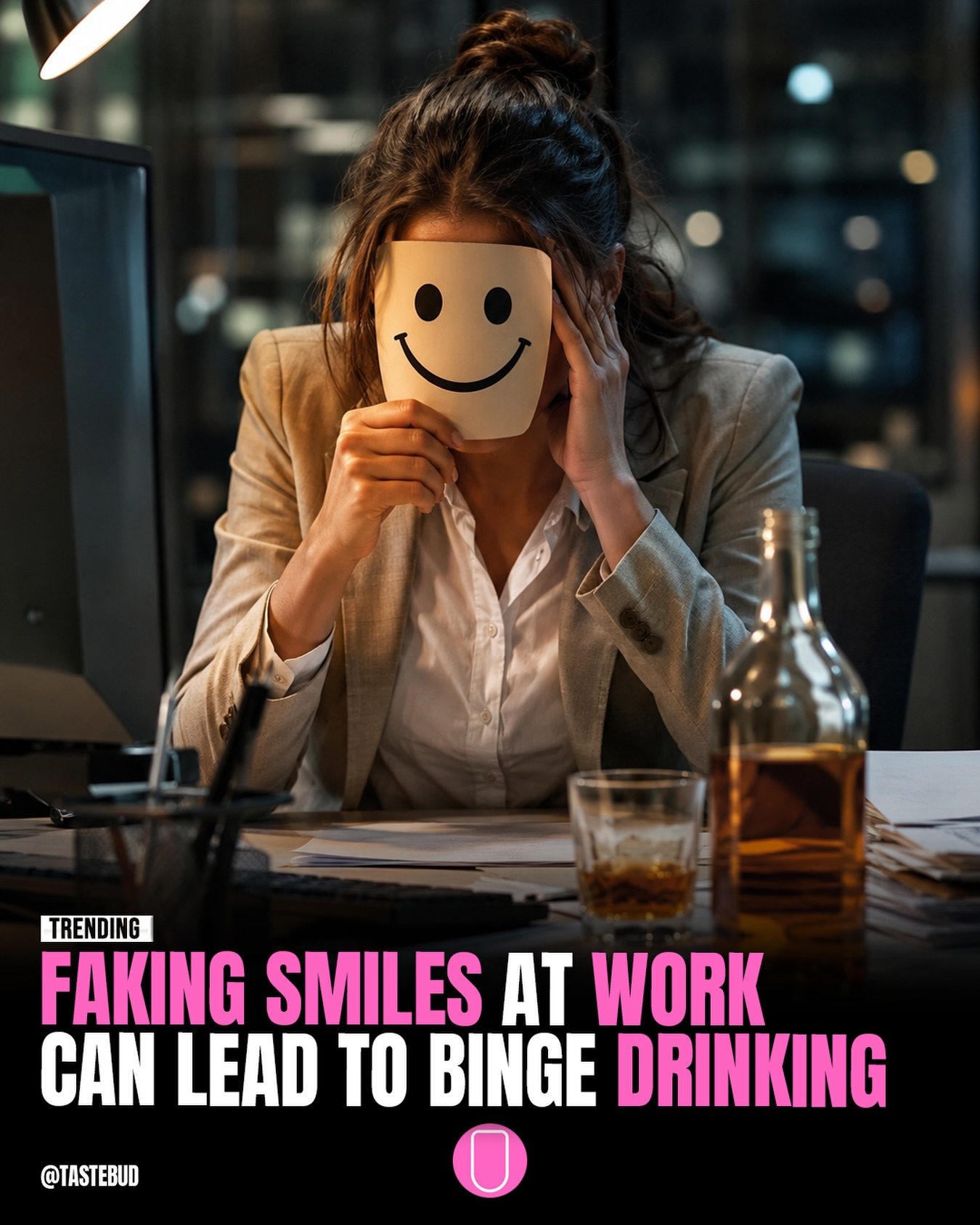
Faking Happiness at Work and Its Impact on Mental Wellbeing
Pretending to be happy at work, a practice known as "surface acting," can have significant effects on your mental health and wellbeing, according to a study from Penn State. This behavior, where individuals hide their frustration and force positivity, can lead to more than just workplace stress. Research shows that those who engage in surface acting more frequently are more likely to drink heavily after their shifts end.
The study delves into the phenomenon of surface acting, shedding light on the often-overlooked effects of emotional labor on mental health. This isn't just about stress; it's about the mental fatigue that comes from constantly controlling emotions. Over time, this self-control can get drained, affecting well-being in profound ways.
Why This Matters
In today's fast-paced work environment, the expectation to maintain a positive demeanor is common. However, the study highlights that this expectation can lead to unhealthy coping mechanisms. Understanding the implications of surface acting is crucial for both employees and employers.
The mental fatigue from surface acting can have a ripple effect on all aspects of life. It's not just about how you feel at work; it's about how you cope when you're off the clock. This connection between workplace expectations and personal wellbeing raises important questions about how work environments can be designed to support mental health, rather than exacerbate it.
The Science Behind Surface Acting
The Mechanism of Surface Acting
Surface acting involves hiding your true emotions and displaying a positive facade. This can happen in various ways, from forcing a smile to suppressing frustration. The act of surface acting requires self-control, which is a finite resource. When this resource is depleted, it can lead to mental exhaustion and other negative outcomes.
The Penn State study found that surface acting is closely linked to emotional regulation. People who frequently engage in surface acting have to exert more mental energy to control their emotions, which can lead to emotional exhaustion. This exhaustion, in turn, can result in unhealthy coping mechanisms, such as alcohol consumption.
Impact on Mental Health
Mental fatigue from surface acting can have long-term effects on mental health. Chronic stress and emotional exhaustion can lead to a range of mental health issues, including anxiety and depression. The study notes that this can result in unhealthy coping mechanisms, such as binge drinking, as a way to relieve the stress and mental fatigue.
The connection between surface acting and heavy drinking is not merely correlational. The study suggests that the mental fatigue from surface acting can lead to a breakdown in self-control, making it more likely for individuals to engage in unhealthy behaviors. This finding underscores the importance of addressing the root causes of workplace stress and emotional exhaustion.
Practical Tips for Coping with Workplace Stress
Self-control is a vital resource, and there are several ways to manage it effectively, helping you cope with workplace stress:
Set Boundaries
Setting clear boundaries between work and personal life can help prevent emotional exhaustion. When work demands exceed your capacity to maintain a positive facade, it's essential to communicate your needs and set limits on your availability.
Practice Emotional Regulation
Emotional regulation involves managing your emotions in a healthy way. This can include practices such as mindfulness, deep breathing, and stress management techniques. By developing emotional regulation skills, you can better handle the demands of surface acting and reduce the risk of mental fatigue.
Seek Support
Talking to colleagues, friends, or a mental health professional can provide valuable support. Sometimes, just sharing your experiences and feelings can alleviate some of the mental burden. Additionally, seeking professional help can equip you with the tools needed to manage workplace stress effectively.
Engage in Self-Care
Self-care activities, such as exercise, healthy eating, and adequate sleep, play a crucial role in maintaining mental and emotional well-being. Engaging in activities that bring you joy and relaxation can help restore your mental resources and reduce the impact of surface acting.
Promote Open Communication
Organizational cultures that encourage open communication and emotional expression can help alleviate the burden of surface acting. When employees feel comfortable sharing their true feelings, it can reduce the need for emotional labor and promote a healthier work environment.
Important Takeaways
Surface acting is a common practice in many workplaces, but it comes with significant mental health risks. The Penn State study highlights the importance of addressing emotional labor and promoting workplace environments that support mental well-being. By understanding the impact of surface acting and adopting healthy coping mechanisms, individuals can better manage their mental health and overall well-being.
Unfortunately, workplace expectations often prioritize a positive facade over authenticity. It's crucial for organizations to recognize the potential negative impacts of surface acting and foster an environment that values genuine emotional expression and support.
Conclusion
Pretending to be happy at work, or surface acting, can have profound effects on your mental health. The Penn State study highlights the connection between emotional labor, mental fatigue, and unhealthy coping mechanisms. By recognizing the importance of emotional regulation, setting boundaries, and promoting open communication, individuals and organizations can work together to create healthier and more supportive work environments.
Understanding the impact of surface acting is the first step toward addressing the underlying issues. By taking proactive steps to manage stress and promote well-being, we can ensure that our workplaces are not only productive but also supportive of our mental health.
Watch the Reel
Questions readers ask
What is 'surface acting' and how does it relate to faking happiness at work?
Surface acting refers to the practice of hiding one's true emotions and displaying a positive, happy demeanor at work. It involves pretending to be happy, even when experiencing negative feelings. This is often done to meet perceived job expectations or to avoid conflict.
What are the mental health impacts of surface acting during work shifts?
Surface acting can lead to mental fatigue and emotional exhaustion. The constant control of emotions can drain an individual's mental resources, leading to increased stress and burnout over time. This can also result in negative coping mechanisms, such as heavy drinking, after the work shift ends.
How does surface acting affect overall well-being beyond just stress?
Surface acting impacts more than just stress levels. It can lead to a significant decrease in overall well-being by contributing to mental fatigue and emotional exhaustion. The constant effort to control and hide true emotions can deplete mental resources, affecting an individual's ability to cope with daily challenges.
What are some indications that faking happiness at work is affecting my mental health?
Signs that faking happiness at work is affecting your mental health include feelings of exhaustion, increased levels of stress, and a sense of emotional drain. Additionally, if you find yourself relying on unhealthy coping mechanisms, such as heavy drinking or other maladaptive behaviors, after work, it may indicate that surface acting is negatively impacting your mental well-being.
What did the Penn State study reveal about the connection between surface acting and alcohol use?
The Penn State study found that individuals who frequently engaged in surface acting were more likely to drink heavily after their work shifts. This suggests that the mental and emotional toll of faking happiness at work may lead to unhealthy coping mechanisms, such as increased alcohol consumption, to manage stress and emotional exhaustion.
Can hiding emotions at work lead to long-term mental health issues?
Yes, hiding emotions at work can lead to long-term mental health issues. The constant suppression of emotions can result in chronic mental fatigue, emotional exhaustion, and increased stress levels. Over time, these factors can contribute to more serious mental health problems if not addressed.
What are some alternatives to surface acting to manage emotions at work?
Instead of surface acting, consider practicing 'deep acting,' which involves genuinely trying to find positive aspects in your work situation. Additionally, setting boundaries, seeking social support, and practicing self-care and stress-reduction techniques can help manage emotions more healthily. It's also beneficial to communicate openly with colleagues and supervisors about job stressors.
Related deep dives
Similar reads based on topic and creator.


Recent articles
Fresh deep dives from the latest Reels we unpacked.




Comments
Be the first to comment.