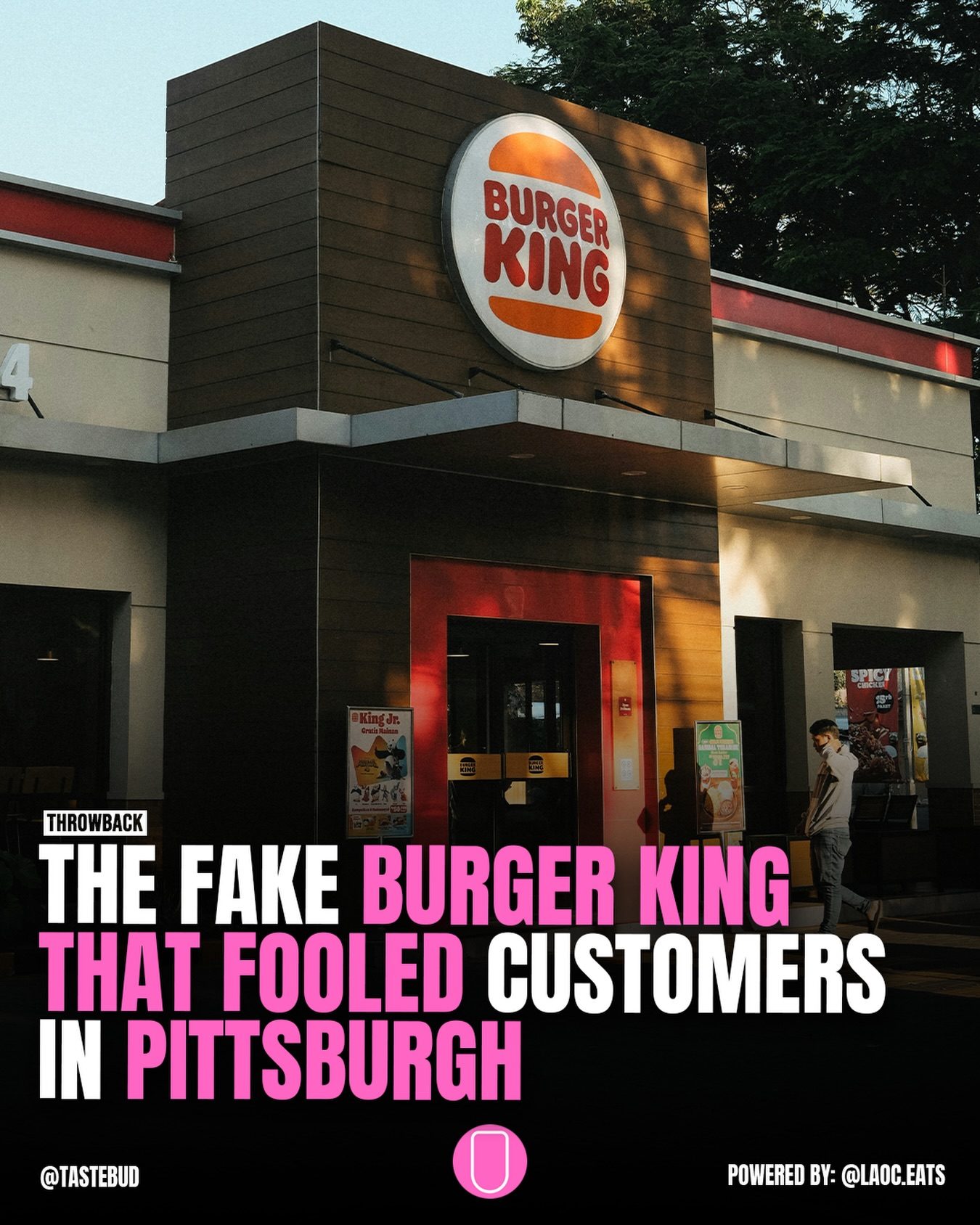
The Fake Burger King That Fooled Customers in Pittsburgh
In 2014, a Burger King in Pittsburgh’s South Side drew significant attention when it continued to operate even after losing its franchise license. Despite the loss of its official license, the restaurant still bore the Burger King name and uniforms, leading many customers to believe they were still patronizing an authentic Burger King location. However, a closer look revealed that the food served was distinctly different from the familiar offerings.
Why This Matters
The incident in Pittsburgh highlights several important aspects of the franchise system, consumer trust, and the potential risks associated with unlicensed operations. To understand the broader implications, it's crucial to examine how the situation unfolded and what it means for customers and businesses alike.
The Initial Discovery
The Burger King location in Pittsburgh’s South Side seemed like any other franchise to unsuspecting customers. The familiar branding, uniforms, and the overall atmosphere of the restaurant were all in place. However, it wasn't long before visitors began to notice discrepancies. The food, for instance, was noticeably different. Orders were packaged in plain wrappings, and the fries, which are typically straight-cut at Burger King, were crinkle-cut. These subtle differences raised eyebrows and soon led to skepticism among customers.
Social Media Buzz and Response
The situation quickly gained traction online, with customers sharing their experiences on social media. The news spread rapidly, and the inconsistencies became the talk of the town. This viral attention didn't go unnoticed by the corporate headquarters of Burger King. Realizing the potential damage to their brand, they intervened and shut down the rogue location. The franchise was then restored to its former state, ensuring that future customers would receive the authentic Burger King experience.
Understanding the Implications
This incident brings to light several critical issues surrounding franchise operations and consumer trust.
Consumer Trust and Brand Integrity
For any franchise, maintaining brand integrity is paramount. Customers expect a consistent experience regardless of the location they visit. When this expectation is not met, it can erode trust and loyalty. In the case of the fake Burger King, customers were understandably frustrated when they realized they had been deceived. This trust can take a long time to rebuild, and in some cases, it may never be fully restored, as customers are left with a lasting negative impression.
Legal and Operational Risks
Unlicensed operations pose significant legal and operational risks. Franchise agreements are in place to ensure that all locations adhere to the same standards and quality control measures. When a location loses its franchise license, it is expected to cease operations immediately. However, as seen in Pittsburgh, this does not always happen. The financial incentives for continuing operations can be strong, leading some to take the risk. This not only violates their franchise agreement but also jeopardizes the reputation of the brand.
Social Media and Virality
In today's digital age, news travels fast. A single post can reach thousands, if not millions, of people within hours. This virality can be both a blessing and a curse. While it can draw attention to genuine issues and bring about change, it can also cause severe damage to a brand's reputation. For Burger King, the viral spread of the fake location's activities highlighted the importance of vigilance and quick action.
Practical Tips
To avoid similar situations, both franchisors and franchisees can take several proactive steps.
Regular Audits and Monitoring
Regular audits and monitoring of franchise locations can help detect any discrepancies or irregularities. This ensures that all locations are compliant with the franchise agreement and maintain the brand's standards. Regular audits also provide an opportunity to address any issues before they escalate.
Employee Training
Training employees to recognize and report any unusual activities can be a crucial preventive measure. Employees are often the first to notice any inconsistencies, and equipping them with the tools to report these issues can help in early detection and resolution.
Transparent Communication
Maintaining transparent communication with customers can build trust and loyalty. In the event of an incident, being proactive and honest can mitigate the impact. This includes promptly addressing any concerns and providing updates on the steps being taken to resolve the issue.
Social Media Management
Effective social media management can help control the narrative and address any misinformation circulating online. Being proactive in responding to customer queries and providing accurate information can help manage the situation and protect the brand's reputation.
Important Takeaways
The incident at the Burger King in Pittsburgh's South Side serves as a stark reminder of the importance of adherence to franchise agreements and the potential risks of non-compliance. It also underscores the power of social media in shaping public perception and the need for proactive measures to maintain brand integrity and consumer trust.
Vigilance and Action
Vigilance and prompt action are essential for maintaining the integrity of a brand. Regular monitoring, employee training, and transparent communication can help prevent and mitigate the impact of such incidents. By being proactive, franchisors and franchisees can ensure that their customers receive a consistent and reliable experience.
The Role of Social Media
Social media plays a crucial role in shaping public perception. The power of virality means that any incident can quickly gain traction and affect a brand's reputation. Effective social media management can help control the narrative and address any issues promptly and transparently.
Consumer Trust
Consumer trust is built over time and can be easily eroded. Maintaining brand integrity and delivering a consistent experience is key to building and sustaining trust. Franchises must recognize the importance of adhering to standards and providing customers with the experience they expect.
Conclusion
The fake Burger King incident in Pittsburgh highlights the importance of brand integrity, consumer trust, and the potential risks associated with unlicensed operations. By taking proactive measures and being vigilant, franchises can ensure that such incidents are minimized and that their brand remains intact. The lessons learned from this incident serve as a valuable reminder for franchises worldwide, emphasizing the need for adherence to franchise agreements and the importance of transparent communication and social media management.
Watch the Reel
Questions readers ask
What prompted the creation of the fake Burger King in Pittsburgh?
The fake Burger King in Pittsburgh was created when a restaurant lost its franchise license but continued to operate under the Burger King name, uniforms, and branding. This misled customers into believing they were patronizing an authentic Burger King location. The hoax highlighted the potential missteps within franchise systems and consumer awareness.
What was the primary issue with the food served at the fake Burger King?
The food served at the fake Burger King was notably different from the genuine offerings, although the exact reasons for this are not specified. Customers who visited the location reported that the quality and taste of the food did not match the standards of an authentic Burger King.
How did the fake Burger King incident affect consumers?
Customers were misled into believing they were eating at a legitimate Burger King, which potentially led to dissatisfaction when they discovered the food was substandard. This incident underscores the importance of consumer awareness in identifying legitimate business operations and the risks of unlicensed operations.
What steps can consumers take to avoid similar scams in the future?
Consumers can protect themselves by being vigilant and checking for signs of legitimacy, such as official licenses and certifications. Additionally, paying close attention to the quality and consistency of products and services can help identify potential scams. If something seems off, it’s always a good idea to verify the authenticity of the business through official channels.
Why is this story important for understanding franchise systems?
The fake Burger King incident highlights the potential vulnerabilities within franchise systems, particularly when it comes to maintaining control over unlicensed or non-compliant operators. It serves as a cautionary tale for both franchisees and franchisors about the importance of strict adherence to licensing agreements and the potential risks associated with unlicensed operations.
What role does consumer awareness play in preventing similar incidents?
Consumer awareness is crucial in preventing similar incidents. By being knowledgeable about the signs of a legitimate business and the products it offers, consumers can help identify and report suspicious activities. This collective vigilance can deter fraudulent operations and protect both consumers and legitimate businesses from harm.
Related deep dives
Similar reads based on topic and creator.


Recent articles
Fresh deep dives from the latest Reels we unpacked.




Comments
Be the first to comment.