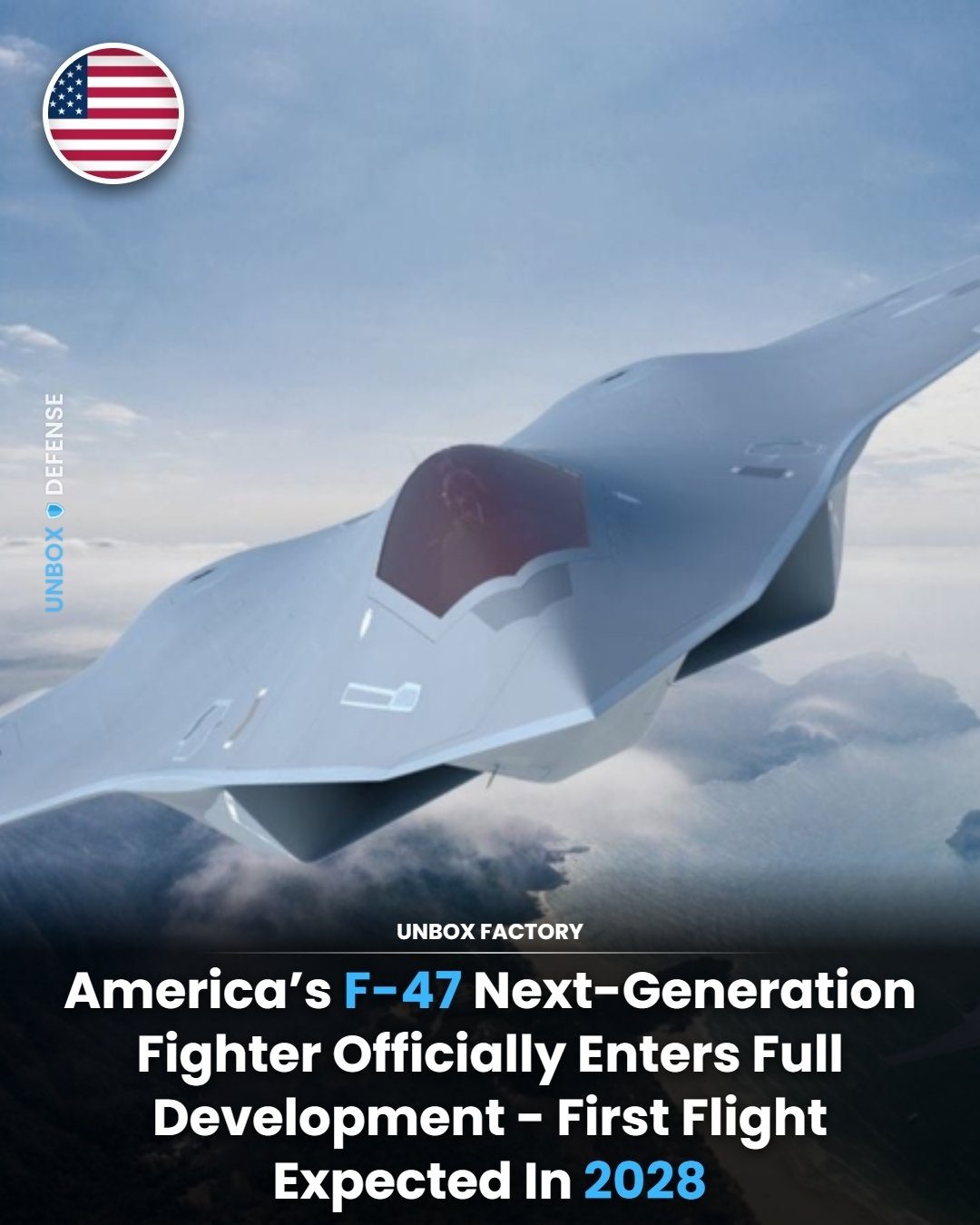
F-47 Fighter Jet Development
The F-47 Next-Generation Air Dominance (NGAD) fighter jet is a significant development in military aviation, marking a new era in air superiority for the United States. This advanced aircraft is set to replace the iconic F-22 Raptor, integrating cutting-edge technology and capabilities that will redefine modern air combat.
Why This Matters
The F-47 represents more than just a new fighter jet; it embodies a strategic shift in how the U.S. approaches air superiority. The aircraft is designed to operate alongside autonomous AI-controlled drones known as Collaborative Combat Aircraft (CCA), leveraging advanced technologies to enhance mission effectiveness and reduce human risk. This integration of AI and autonomous systems is a game-changer, setting a new standard for military aviation.
Main Discussion
Advanced Stealth and Electronic Warfare
One of the standout features of the F-47 is its advanced stealth capabilities. Built with next-generation stealth technologies, the F-47 aims to be virtually undetectable by enemy radar. This stealth is enhanced by next-generation electronic warfare capabilities, allowing the aircraft to jam and disrupt enemy communications and sensing systems. These features are crucial for penetrating heavily defended airspaces and maintaining tactical advantage.
Adaptive Engines and Long-Range Operations
The F-47 is equipped with adaptive engines, which can adjust their performance parameters in real-time to match mission requirements. This adaptability ensures optimal fuel efficiency, thrust, and maneuverability, making the F-47 highly versatile. The aircraft is also designed for long-range operations, with extended flight durations and enhanced range, enabling it to operate over vast distances without the need for frequent refueling.
AI-Assisted Mission Systems
AI-assisted mission systems are at the heart of the F-47's operational prowess. These systems provide real-time data analysis, predictive decision-making, and automated threat response, allowing the aircraft to operate more intelligently and effectively. The integration of AI allows for seamless collaboration with CCA, enabling coordinated operations that enhance overall mission success.
Practical Tips
Understanding the Role of CCA
The Collaborative Combat Aircraft (CCA) will play a crucial role alongside the F-47. These drones are designed to operate autonomously, performing a variety of missions from reconnaissance to combat. Understanding how CCA integrates with the F-47 is essential for leveraging the full capabilities of the NGAD program. Pilots and mission planners need to be trained on the collaborative protocols and communication systems that enable effective teamwork between manned and unmanned aircraft.
Maintenance and Upkeep
Given the advanced nature of the F-47, maintenance and upkeep will require specialized knowledge and equipment. Regular inspections, calibration of sensors, and updates to software systems will be vital to maintaining the aircraft's operational readiness. Investing in training and resources for maintenance personnel will be key to ensuring the longevity and reliability of the F-47 fleet.
Training for Pilots
Pilots of the F-47 will need extensive training to fully utilize the aircraft's advanced capabilities. Familiarity with AI-assisted mission systems, stealth operations, and collaborative flight with CCA will be essential. Simulated training scenarios and regular updates on new technologies will help pilots stay ahead of the curve and maximize the F-47's potential on the battlefield.
Important Takeaways
Future of Air Superiority
The F-47 NGAD program represents the future of air superiority, combining advanced stealth, AI, and autonomous systems to create a formidable combat platform. As the first flight is expected in 2028, the F-47 will set a new benchmark for military technology, ensuring U.S. air dominance for decades to come.
Strategic Advantage
The integration of AI-controlled drones and advanced electronic warfare capabilities gives the F-47 a significant strategic advantage. This combination allows for more effective and efficient operations, reducing human risk and increasing overall mission success.
Technological Innovation
The development of the F-47 showcases the cutting edge of technological innovation in military aviation. The aircraft's adaptive engines, AI-assisted systems, and long-range capabilities are a testament to the U.S. Air Force's commitment to pushing the boundaries of what is possible in air combat.
Conclusion
The F-47 Next-Generation Air Dominance fighter jet is poised to revolutionize military aviation. With its advanced stealth, adaptive engines, and AI-assisted mission systems, the F-47 will set a new standard for air superiority. As the aircraft enters full-scale development and prepares for its first flight in 2028, it will undoubtedly become a cornerstone of U.S. defense strategy, ensuring air dominance for generations to come.
Watch the Reel
Questions readers ask
What are the key advancements of the F-47 Next-Gen Fighter over its predecessor, the F-22 Raptor?
The F-47 Next-Gen Fighter boasts superior stealth capabilities, enhanced electronic warfare systems, and advanced AI integration. These features allow it to operate more effectively and discreetly in modern combat scenarios compared to the F-22 Raptor.
How does the F-47 fighter jet integrate with autonomous drones?
The F-47 is designed to work seamlessly with autonomous drones, known as Collaborative Combat Aircraft (CCA). This integration allows the F-47 to leverage the drones' capabilities, enhancing mission effectiveness and reducing the risk to human pilots.
What are the benefits of the advanced engines in the F-47 fighter aircraft?
The advanced engines in the F-47 fighter aircraft provide optimal performance and extended mission durations. This means the F-47 can stay airborne longer and operate more efficiently, covering greater distances and conducting more complex missions.
What role will the F-47 play in US air dominance by 2028?
By 2028, the F-47 is expected to significantly enhance US air dominance by incorporating state-of-the-art technologies and capabilities. Its advanced features will allow it to outperform existing fighter jets, ensuring the US maintains a strong presence in air combat.
How does the F-47 Next-Gen Fighter ensure long-range capabilities?
The F-47 Next-Gen Fighter achieves long-range capabilities through a combination of advanced engines, efficient fuel management, and aerodynamic design. These features enable the aircraft to undertake missions that require extended flight times and distances, providing a strategic advantage in air combat.
What are the implications of AI integration in the F-47 fighter jet development?
AI integration in the F-47 fighter jet development allows for more efficient mission planning, real-time decision-making, and enhanced situational awareness. This technology also enables the aircraft to work more effectively with autonomous drones, creating a more cohesive and effective combat system.
Recent articles
Fresh deep dives from the latest Reels we unpacked.




Comments
Be the first to comment.