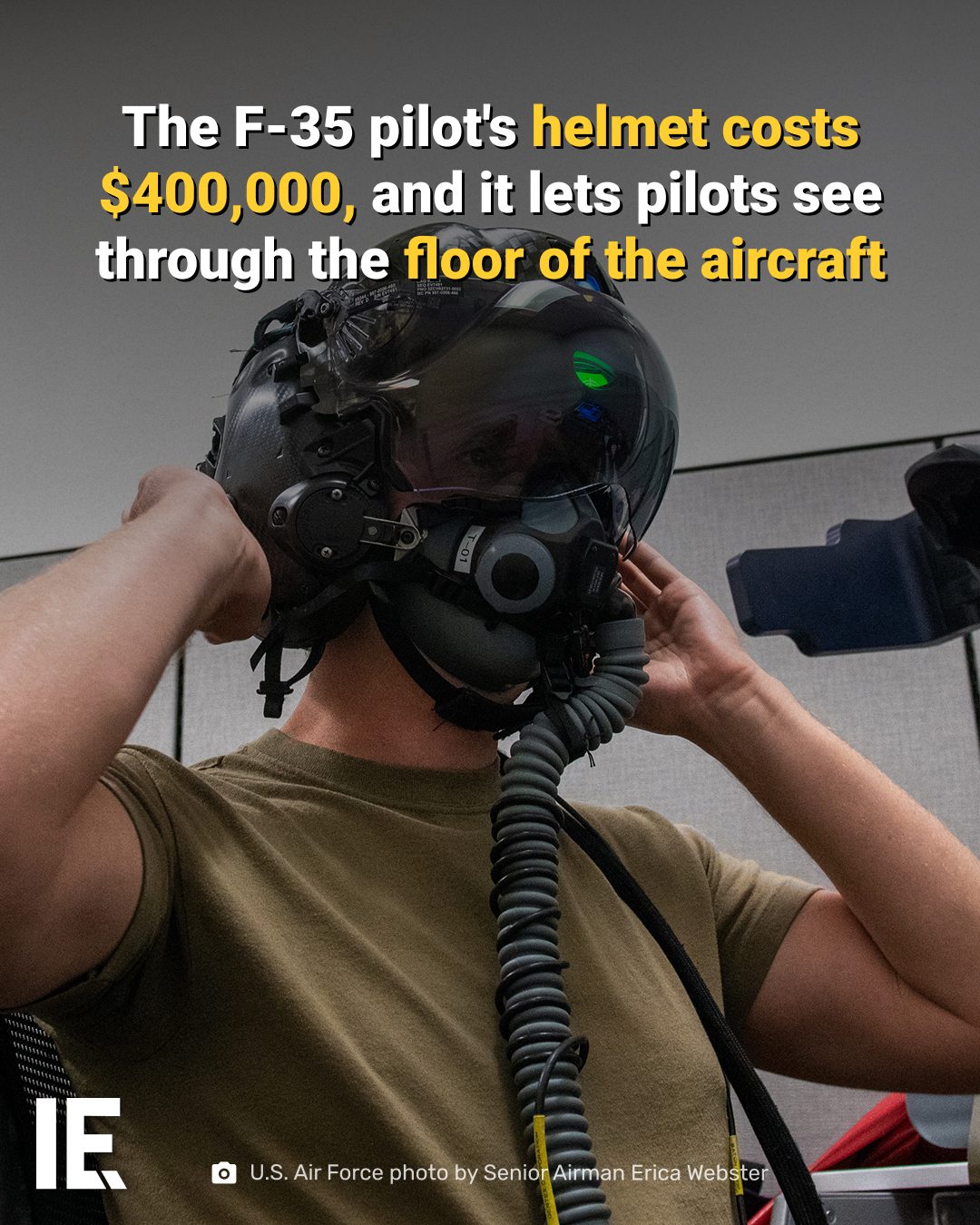
F-35 Pilot Helmet: A Revolution in Military Aviation
The F-35 pilot helmet is a marvel of modern engineering, representing a significant leap in military aviation technology. It is designed to integrate advanced features that enhance a pilot's situational awareness and mission effectiveness.
Context / Why this matters
The F-35 pilot helmet is integral to the F-35 fighter jet, one of the most technologically advanced aircraft in the world. At approximately $400,000 per unit, the helmet is a testament to the investment in cutting-edge technology within the military. Its unique capabilities and high cost underscore its importance in modern air combat.
Main discussion
Integration of Sensors and Cameras
The helmet integrates six cameras mounted around the aircraft's fuselage, creating a seamless 360-degree visual feed. This integration allows pilots to look down and effectively see through the floor of the aircraft, providing an unprecedented level of situational awareness. The visual data is projected directly onto the helmet's visor, eliminating the need for a traditional heads-up display and allowing pilots to focus more on their surroundings than on navigating the cockpit.
Enhanced Visual Capabilities
One of the most notable features of the F-35 pilot helmet is its ability to display targeting data, night vision, flight parameters, and threat warnings. This comprehensive display of critical information directly on the visor reduces the need for multiple instruments and makes it easier for pilots to process and act on data in real-time.
Night Vision and Threat Detection
The helmet’s night vision capabilities allow pilots to operate effectively in low-light conditions, which is crucial for missions that require stealth or nighttime operations. Additionally, the helmet’s threat detection systems provide real-time alerts about potential dangers, helping pilots respond more quickly and accurately to threats.
Evolution and Improvements
The development of the F-35 pilot helmet has not been without its challenges. Earlier versions experienced significant issues, including image lag and a green glow that affected visibility. These problems were gradually resolved through rigorous testing and improvements, showcasing the continuous evolution of military technology. This progression has resulted in a device that is more reliable and effective than previous iterations.
Fundamental Shift in Cockpit Design
The F-35 pilot helmet represents a fundamental shift in how fighter pilots interact with their aircraft. Traditional cockpits are designed with instruments and displays around the pilot, but the F-35 helmet brings the cockpit to the pilot’s face. This centralization of information directly on the helmet's visor reduces clutter and allows for more intuitive control, making it easier for pilots to stay focused on their mission.
Practical tips for military personnel
Training and Adaptation
For military personnel, adapting to the F-35 pilot helmet requires comprehensive training. The helmet's advanced features and unique interface demand a different approach to piloting, emphasizing situational awareness and real-time data processing. Pilots should undergo extensive training to familiarize themselves with the helmet's capabilities and to develop the skills needed to operate effectively in high-pressure situations.
Maintenance and Care
Given the high cost and complexity of the F-35 pilot helmet, proper maintenance and care are essential. Regular inspections and servicing ensure that the helmet remains in optimal condition, minimizing the risk of malfunctions during critical missions. Pilots should follow strict maintenance protocols and report any issues promptly to ensure the longevity and reliability of their equipment.
Utilizing Advanced Features
To maximize the benefits of the F-35 pilot helmet, pilots should make full use of its advanced features. This includes leveraging the 360-degree visual feed, night vision, and threat detection to enhance situational awareness and mission effectiveness. Pilots should also stay updated on any software or hardware upgrades that could further enhance the helmet's capabilities.
Important takeaways
The F-35 pilot helmet stands as a pinnacle of military aviation technology, offering unparalleled situational awareness and real-time data processing. Its seamless integration of cameras, displays, and sensors allows pilots to focus more on their mission and less on navigating the cockpit. Thanks to its advanced features, the helmet represents a significant leap forward in how military pilots interact with their aircraft and their surroundings.
Conclusion
The F-35 pilot helmet is more than just a piece of wearable technology; it is a transformative tool that redefines the role of the pilot in modern military aviation. Its advanced features, including the seamless visual feed and comprehensive data display, make it an indispensable asset for any mission. As military technology continues to evolve, the helmet will likely set the standard for future developments in piloting equipment.
Watch the Reel
Questions readers ask
Why is the F-35 pilot helmet so expensive, costing $400,000 per unit?
The high cost of the F-35 pilot helmet is due to its advanced integration of multiple sensors, cameras, and high-resolution displays, along with extensive testing and engineering. This ensures the helmet's reliability, safety, and effectiveness in combat situations.
What does the phrase 'see through the aircraft floor' mean in the context of F-35 helmet capabilities?
This phrase refers to the helmet's ability to display data from the aircraft's underside cameras on the helmet's visor. This feature allows pilots to 'see' objects or threats below the aircraft without having to change their head position, enhancing situational awareness.
How does the F-35 helmet provide a 360-degree visual feed?
The helmet achieves a 360-degree visual feed by integrating sensors and cameras mounted around the aircraft's fuselage. This setup provides pilots with a complete view of their surroundings, displayed directly on the helmet's visor.
What kind of data is displayed on the F-35 pilot helmet?
The F-35 pilot helmet displays a variety of crucial information, including aircraft systems status, target data, navigation details, and threats. This comprehensive data display helps pilots make informed decisions quickly, improving mission effectiveness.
How does the F-35 helmet enhance a pilot's situational awareness?
The F-35 helmet enhances situational awareness by providing a 360-degree visual feed, real-time data displays, and the ability to 'see' through the aircraft. These features enable pilots to maintain constant awareness of their surroundings and respond effectively to changing combat situations.
What makes the F-35 pilot helmet one of the most advanced in military aviation technology?
The F-35 pilot helmet is considered one of the most advanced due to its integration of sensors, cameras, and high-resolution displays. These features provide pilots with unprecedented situational awareness, enabling them to see through the aircraft and display real-time data on the visor.
What role do the six cameras play in the F-35 helmet's functionality?
The six cameras mounted around the F-35 aircraft's fuselage work in tandem with the helmet's sensors and displays. They capture real-time visual data from all directions, which is then projected onto the helmet's visor, providing the pilot with an enhanced, comprehensive view of their surroundings.
Related deep dives
Similar reads based on topic and creator.


Recent articles
Fresh deep dives from the latest Reels we unpacked.




Comments
Be the first to comment.