Eye Health Indicators
Your eyes are often called the windows to your health, and for good reason. The appearance of your eyes can provide valuable insights into your overall well-being. Various conditions can manifest through visible changes in the eyes, making it crucial to be aware of what these signs might indicate.
Why This Matters
Understanding the health indicators that your eyes reveal is essential for early detection and prevention of potential health issues. Many eye conditions can be symptoms of more significant health problems. Recognizing these signs can prompt timely medical intervention, which is often key to effective treatment and management. Regular eye check-ups and self-awareness can help maintain not only your eye health but also your overall well-being.
Main Discussion
Normal vs. Abnormal Eye Appearances
Normal Healthy Eyes
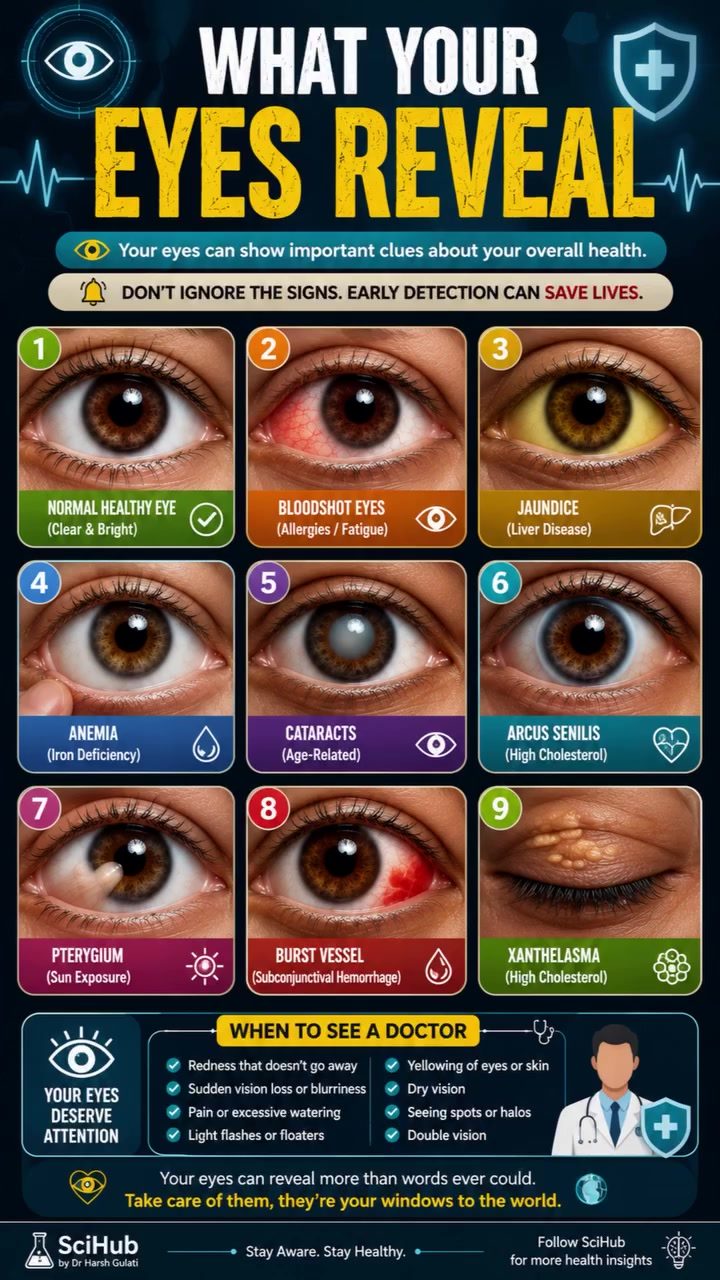
Healthy eyes are typically clear and bright. They should not exhibit any noticeable discoloration, swelling, or redness. Regular eye exams can help ensure that your eyes remain in good condition and catch any early signs of disease.
Bloodshot Eyes
Bloodshot eyes, characterized by visible redness, can be caused by various factors. Common causes include allergies, eye fatigue, and minor infections. These symptoms often resolve on their own, but persistent redness or discomfort warrants a visit to an eye care professional.
Jaundice
Yellowing of the eyes, known as jaundice, is often associated with liver problems. This condition requires immediate medical attention, as it can be a sign of serious health issues, including liver disease or bile duct problems.
Anemia
Anemia, or iron deficiency, can sometimes be detected through eye color changes. Pale conjunctiva, the membranes that cover the whites of the eyes, can indicate a lack of red blood cells, which is a common symptom of anemia.
Cataracts
Cataracts are characterized by a cloudy or opaque appearance in the pupil. This condition is often age-related and can lead to vision loss if not treated. While cataracts are common, they can be managed effectively with surgery.
Arcus Senilis
Arcus senilis, a gray or white ring around the cornea, is often associated with high cholesterol levels. This condition is more common in older adults and can be an indicator of cardiovascular health issues.
Xanthelasma
Yellow deposits on the eyelids, known as xanthelasma, are often linked to high cholesterol levels. These deposits are typically benign but should be evaluated by a healthcare professional to assess potential underlying health issues.
Additional Eye Conditions to Be Aware Of
Pterygium
Pterygium, often referred to as "surfer's eye," is a growth of pink, fleshy tissue on the cornea. This condition is typically caused by prolonged exposure to UV light and is more common in those who spend a lot of time outdoors.
Burst Vessel
A burst vessel, or subconjunctival hemorrhage, appears as a bright red patch on the eye. While this condition is often harmless, recurrent episodes should be evaluated by an eye care professional.
Practical Tips
Regular eye check-ups are essential for maintaining good eye health. Here are some practical tips to keep your eyes healthy:
Monitor Changes
Pay close attention to any changes in your eyes, such as persistent redness, swelling, or sudden vision changes. Keep a record of these changes and consult a healthcare professional if they persist.
Protect Your Eyes
Protect your eyes from harmful UV rays by wearing sunglasses when outdoors. This can help prevent conditions like pterygium and reduce the risk of cataracts and macular degeneration.
Maintain a Healthy Diet
A balanced diet rich in vitamins and minerals can support eye health. Foods high in antioxidants, such as leafy greens, berries, and fish rich in omega-3 fatty acids, are particularly beneficial.
Stay Hydrated
Staying hydrated is crucial for maintaining eye health. Drink plenty of water throughout the day to prevent dryness and irritation.
Avoid Smoking
Smoking can increase the risk of eye diseases, including cataracts and age-related macular degeneration. Quitting smoking can significantly improve your eye health.
Important Takeaways
Your eyes provide important clues about your overall health. Recognizing and understanding these indicators can lead to early detection and treatment of potential health issues. Regular eye check-ups, a healthy lifestyle, and self-awareness are key to maintaining good eye health.
Conclusion
The condition of your eyes can reveal much about your overall health. Paying attention to changes in your eyes and seeking medical advice when necessary can help prevent and manage potential health issues. By staying informed and proactive, you can ensure that your eyes remain a window to good health.
Watch the Reel
Questions readers ask
What are some signs of jaundice that can be observed in the eyes?
Jaundice can cause a yellowing of the whites of the eyes, known as icterus. This discoloration is often due to elevated bilirubin levels in the blood, which can indicate liver or gallbladder issues. If you notice this change, it's important to consult a healthcare professional for further evaluation.
Can bloodshot eyes indicate serious health conditions?
Bloodshot eyes can be a sign of various conditions, ranging from minor issues like allergies or fatigue to more serious problems such as high blood pressure or diabetes. If you frequently experience bloodshot eyes, it's a good idea to consult a healthcare provider to rule out any underlying health issues, and to discuss potential treatments.
What does it mean if the conjunctiva appears pale?
A pale conjunctiva, or the membrane that covers the whites of the eyes, can indicate anemia or other blood disorders. This occurs because the conjunctiva can become pale when there is a decreased amount of oxygen in the blood, which is often associated with reduced red blood cell production. If you notice this change, it's important to consult a healthcare provider.
How are eye check-ups important for detecting overall health issues?
Regular eye check-ups can help detect a variety of diseases and health conditions, including diabetes, high cholesterol, and cancers. During an eye exam, healthcare professionals can assess the health of the eyes and identify any signs that may indicate broader health issues. This proactive approach allows for early intervention and management of potential health problems.
What are xanthelasma and what do they indicate about health?
Xanthelasma are yellowish, cholesterol-laden deposits on the eyelids. While they are generally benign, they can indicate high cholesterol levels in the blood, which is associated with an increased risk of heart disease. If you notice these deposits, it's recommended to discuss them with a healthcare provider, who may order further testing to evaluate your cholesterol levels and overall cardiac health.
Can cataracts be a sign of other health conditions?
Cataracts, which are cloudy areas in the lens of the eye, are often associated with aging. However, they can also be a sign of other health conditions, such as diabetes or eye injuries. Regular eye check-ups can help monitor the progression of cataracts and identify any underlying health issues that may be contributing to their development.
How are vision problems linked to overall health?
Vision problems can be symptomatic of a wide range of health conditions. For example, changes in vision can indicate diabetes, high blood pressure, or autoimmune disorders. If you experience sudden or severe changes in your vision, it is crucial to consult a healthcare provider to determine the underlying cause and receive appropriate treatment.
Related deep dives
Similar reads based on topic and creator.

Recent articles
Fresh deep dives from the latest Reels we unpacked.




Comments
Be the first to comment.