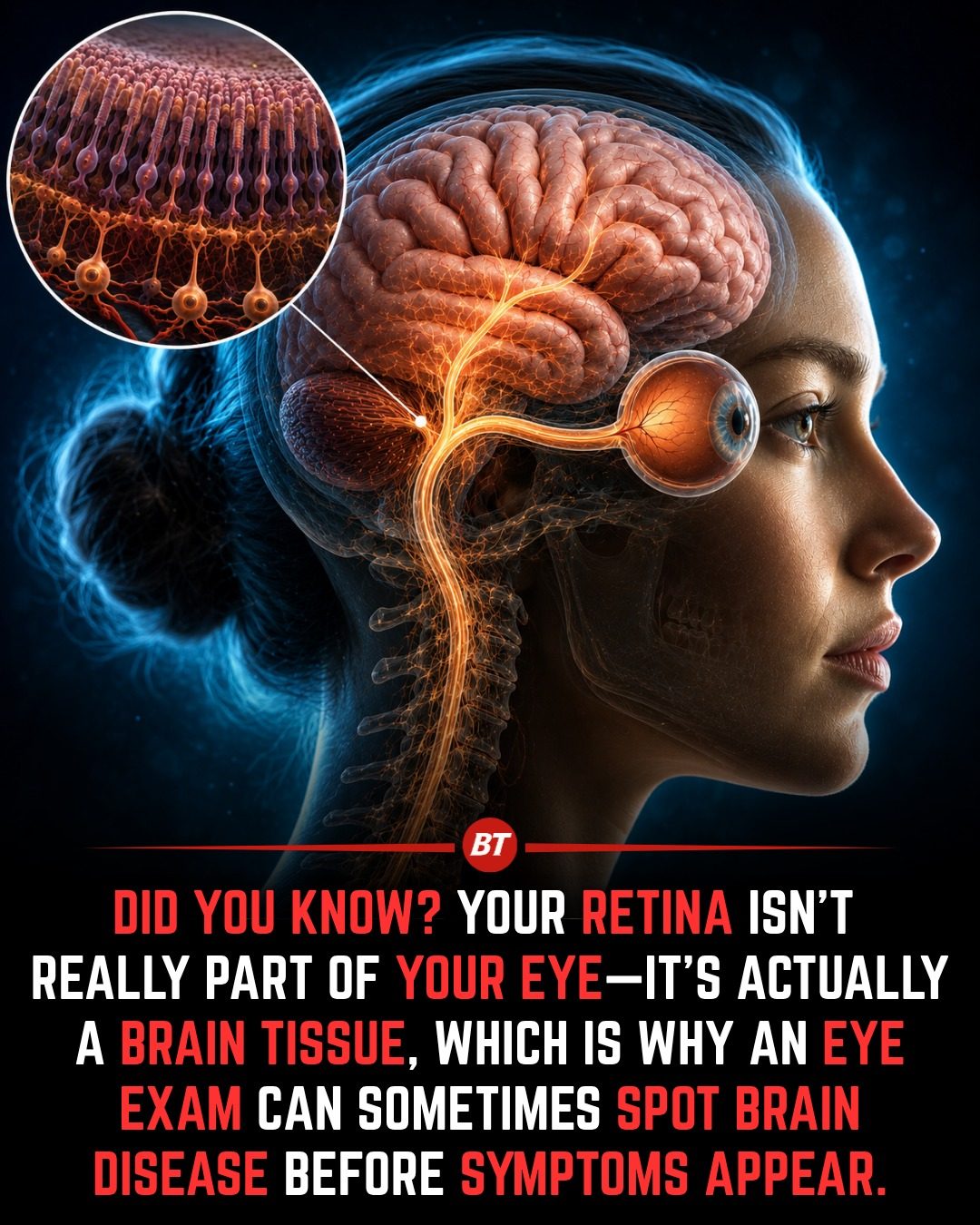
The Fascinating Connection Between the Retina and the Brain
The retina, a delicate tissue at the back of the eye, is more than just a component of the eye; it's an extension of the brain. This unique connection makes the retina one of the only places where doctors can examine living nervous tissue without invasive surgery. Understanding this relationship opens up new avenues for detecting and monitoring brain diseases.
Why This Matters
The retina's connection to the brain is not just a curious fact but a critical aspect of modern medical science. By recognizing the retina's role, researchers and healthcare providers can gain insights into brain health and detect early signs of neurodegenerative diseases. This understanding can lead to earlier interventions and better patient outcomes.
The Retinal-Brain Connection
Developmental Origins
During early development in the womb, the retina forms directly from the neural tube—the same embryonic tissue that develops into the brain and spinal cord. This shared origin means the retina is classified as part of the central nervous system rather than just another eye structure.
Structural Similarities
The retina shares the same tiny blood vessels and nerve cells as the brain. Researchers have discovered that changes in the retina can reflect changes occurring inside the brain. This striking similarity allows for a window into the brain's health without the need for invasive procedures.
Diagnostic Potential
Advanced retinal imaging techniques can detect subtle changes in the retina that are associated with various neurodegenerative disorders. These changes may appear years before noticeable symptoms, making retinal exams a valuable tool for early disease detection.
The Role of Retinal Imaging
Detecting Neurodegenerative Diseases
Studies published in prestigious journals like Neurology and The Lancet Neurology have found that retinal imaging can reveal changes linked to diseases such as Alzheimer's, Parkinson's, and multiple sclerosis. These changes include subtle thinning of the retinal nerve fiber layer and alterations in retinal blood vessels.
Early Detection
By identifying these retinal changes, ophthalmologists can sometimes prompt further neurological testing, allowing problems to be investigated much earlier. This early detection is crucial for conditions where timely intervention can significantly improve outcomes.
Practical Tips for Understanding Retinal Health
Regular Eye Exams
Regular eye exams are essential for maintaining overall health. Given the retina's connection to the brain, these exams can provide valuable insights into brain health. Ensure you schedule regular check-ups with an ophthalmologist.
Advanced Retinal Imaging
If you have a family history of neurodegenerative diseases or other risk factors, consider discussing advanced retinal imaging with your healthcare provider. This can help in early detection and monitoring of potential issues.
Important Takeaways
- The retina is an extension of the brain, making it a unique area for examining living nervous tissue without surgery.
- Changes in the retina can reflect changes in the brain, providing a window into brain health.
- Advanced retinal imaging can detect early signs of neurodegenerative diseases, allowing for earlier interventions.
- Regular eye exams and advanced retinal imaging can be crucial for maintaining overall health and detecting potential issues early.
Conclusion
The retina's connection to the brain is a fascinating and medically significant aspect of human anatomy. By understanding this relationship, we can leverage retinal exams as a powerful tool for early disease detection and monitoring. Regular eye exams and advanced retinal imaging are not just about eye health; they are crucial for overall health and well-being.
Watch the Reel
Questions readers ask
How do eye exams help in monitoring brain health?
Eye exams provide valuable information about brain health because the retina, located at the back of the eye, is directly connected to the brain. The retina's unique structure allows doctors to observe changes that may indicate issues with the brain's health, such as neurodegenerative diseases, by using advanced retinal imaging.
What kinds of brain diseases can be detected through eye exams?
Eye exams can help detect early signs of various neurodegenerative diseases, including Alzheimer's, Parkinson's, and multiple sclerosis. This is due to the retina's connection to the brain, allowing doctors to spot changes that may indicate these conditions through detailed retinal imaging.
Why is the retina so important for brain disease detection?
The retina is significant because it is an extension of the brain, making it the only place where doctors can examine living nervous tissue without invasive procedures. This allows for the observation of neural changes that could signal early signs of brain diseases.
How often should I get an eye exam to monitor brain health?
Regular eye exams are essential for maintaining overall health, including brain health. It is recommended to get a comprehensive eye exam every 1-2 years, depending on your age and overall health. If you have a family history of brain diseases or other risk factors, more frequent exams may be necessary.
Can retinal imaging replace brain scans for disease detection?
Retinal imaging is a powerful diagnostic tool but does not replace brain scans. Brain scans are still necessary for comprehensive diagnosis and treatment planning. Retinal imaging provides an additional means to detect early signs of brain diseases by observing the retina's connection to the brain.
What are the signs in the retina that indicate brain disease?
Signs in the retina that may indicate brain disease include changes in blood vessels, nerve damage, and abnormalities in the retinal layers. These changes can be detected through advanced retinal imaging techniques that provide detailed views of the retina's structure and function.
Should I consult a neurologist for eye-related brain health concerns?
While an eye doctor can provide valuable insights into your brain health through eye exams, it's essential to consult a neurologist for a comprehensive evaluation. A neurologist can interpret the findings from eye exams and other diagnostic tests to develop an appropriate treatment plan.
Related deep dives
Similar reads based on topic and creator.




Recent articles
Fresh deep dives from the latest Reels we unpacked.




Comments
Be the first to comment.