Extreme Heatwaves and Infrastructure Damage in Germany
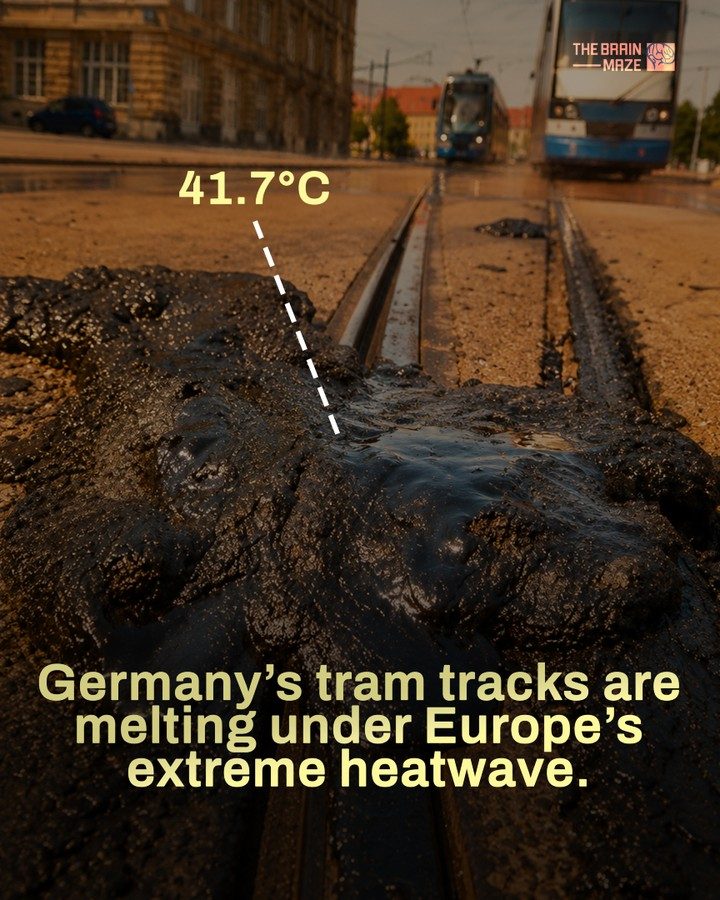
Germany's tram tracks melting under the intense heat of a recent extreme heatwave highlight a stark reality: rising temperatures are no longer just a weather problem, but a direct threat to urban infrastructure across Europe. The situation was particularly severe in Leipzig, where temperatures soared to around 41.7°C. This extreme heat caused significant damage to tram tracks, leading to disruptions in the city's public transportation system. This event underscores the broader impact of heatwaves on daily life and infrastructure across the continent.
Why This Matters
Heatwaves are becoming more frequent and severe in Europe. These extreme weather events pose significant challenges to urban infrastructure, public health, and daily life. Understanding how heatwaves affect cities and their infrastructure is crucial for developing strategies to mitigate their impacts and ensure the resilience of urban systems.
The Impact of Extreme Heat on Urban Infrastructure
Disruptions in Public Transportation
The melting of tram tracks in Leipzig serves as a stark reminder of how extreme heat can disrupt essential public services. In this case, the intense heat caused the asphalt to soften and the metal tracks to warp, making them unusable. This disruption highlighted the vulnerability of aging infrastructure to extreme weather conditions.
Strain on Health Systems
Heatwaves put significant strain on health systems, as the increased demand for medical care and the risk of heat-related illnesses rise. Hospitals and clinics often struggle to cope with the influx of patients suffering from heat exhaustion and other heat-related conditions. In extreme cases, power outages caused by overloaded energy grids can further exacerbate the crisis, as seen in some parts of Europe.
Disruptions in Daily Life
Heatwaves can significantly disrupt daily life, affecting everything from energy supply to food distribution. These disruptions can lead to food shortages, power outages, and other inconveniences that impact the quality of life. For instance, the recent heatwave in Europe caused widespread power outages, affecting both households and public services.
Infrastructure Damage
The melting of tram tracks is just one example of how extreme heat can damage infrastructure. Roads, bridges, and other critical structures are also at risk. This damage not only disrupts services but also requires significant resources to repair, diverting funds from other essential projects. The cost of repairing heat-damaged infrastructure can be high, especially in cities where public transportation systems are heavily relied upon.
Practical Tips for Urban Resilience
Upgrading Infrastructure
One of the most effective ways to mitigate the impacts of heatwaves is to upgrade and modernize urban infrastructure. This includes using heat-resistant materials for roads and tracks, as well as improving the overall design and maintenance of public transportation systems. New materials and technologies can help make infrastructure more resilient to extreme temperatures and weather conditions.
Enhancing Urban Greenery
Increasing urban greenery can help mitigate the effects of extreme heat. Trees, parks, and green spaces provide natural cooling and can help reduce the urban heat island effect. Additionally, green roofs and walls can help insulate buildings and reduce energy consumption. Urban planners should prioritize the inclusion of green spaces in city designs to create a more resilient urban environment.
Improving Public Health Preparedness
Health systems need to be prepared for the increased demand during heatwaves. This includes ensuring that hospitals and clinics have adequate staffing and resources to handle heat-related illnesses. Public health campaigns can also educate the public about the dangers of extreme heat and provide tips on staying safe during heatwaves. For instance, encouraging the use of cooling centers and promoting hydration can help reduce the risk of heat-related illnesses.
Energy Management
Efficient energy management is crucial during heatwaves. Smart grids and energy management systems can help distribute energy more efficiently, reducing the risk of power outages. Additionally, promoting energy conservation and investing in renewable energy sources can help reduce the strain on the power grid during extreme weather events.
Public Awareness and Education
Raising public awareness about the dangers of extreme heat and the importance of preserving infrastructure can help create a more resilient society. Educational campaigns and public awareness initiatives can encourage individuals to take actions that support urban resilience, such as using energy-efficient appliances and conserving water.
Important Takeaways
Extreme heatwaves and their impacts on urban infrastructure are a growing concern in Europe. The melting of tram tracks in Leipzig highlights the urgent need for cities to adapt to these changing weather conditions. By upgrading infrastructure, enhancing urban greenery, improving public health preparedness, managing energy effectively, and raising public awareness, cities can become more resilient to the impacts of extreme heat.
Conclusion
Rising temperatures and extreme heatwaves pose significant challenges to urban infrastructure and daily life. The events in Leipzig serve as a stark reminder of the need for cities to adapt and become more resilient to extreme weather conditions. By taking proactive measures, cities can protect their infrastructure and ensure the well-being of their residents. Understanding the impacts of heatwaves on urban systems is the first step toward building a more resilient future.
Watch the Reel
Questions readers ask
What caused the tram tracks in Leipzig to melt?
The tram tracks in Leipzig melted due to an extreme heatwave that pushed temperatures to around 41.7°C. This intense heat caused significant damage to the tracks, highlighting the vulnerability of urban infrastructure to rising temperatures.
How do extreme heatwaves impact public transportation systems?
Extreme heatwaves can cause direct damage to public transportation infrastructure, such as the melting of tram tracks in Leipzig. This damage can lead to disruptions in services, affecting daily commutes and the overall efficiency of public transportation systems.
Why is the 41.7°C temperature significant in the context of Germany's heatwave?
The temperature of 41.7°C is significant because it is unusually high for Germany and demonstrates the escalation of extreme heat events. This level of heat is extreme enough to cause physical damage to infrastructure, like the melting of tram tracks, which is a concern for public safety and urban functionality.
Are heatwaves becoming more common in Europe?
Yes, heatwaves are becoming more frequent and severe in Europe. This trend poses significant challenges to urban infrastructure, public health, and daily life, as seen in the disruptions caused by the melting of tram tracks in Leipzig.
What other urban infrastructure might be at risk during extreme heat events?
Other urban infrastructure at risk during extreme heat events includes roads, bridges, and power lines. These structures can be damaged or compromised by excessive heat, leading to potential safety hazards and service interruptions.
Related deep dives
Similar reads based on topic and creator.



Recent articles
Fresh deep dives from the latest Reels we unpacked.




Comments
Be the first to comment.