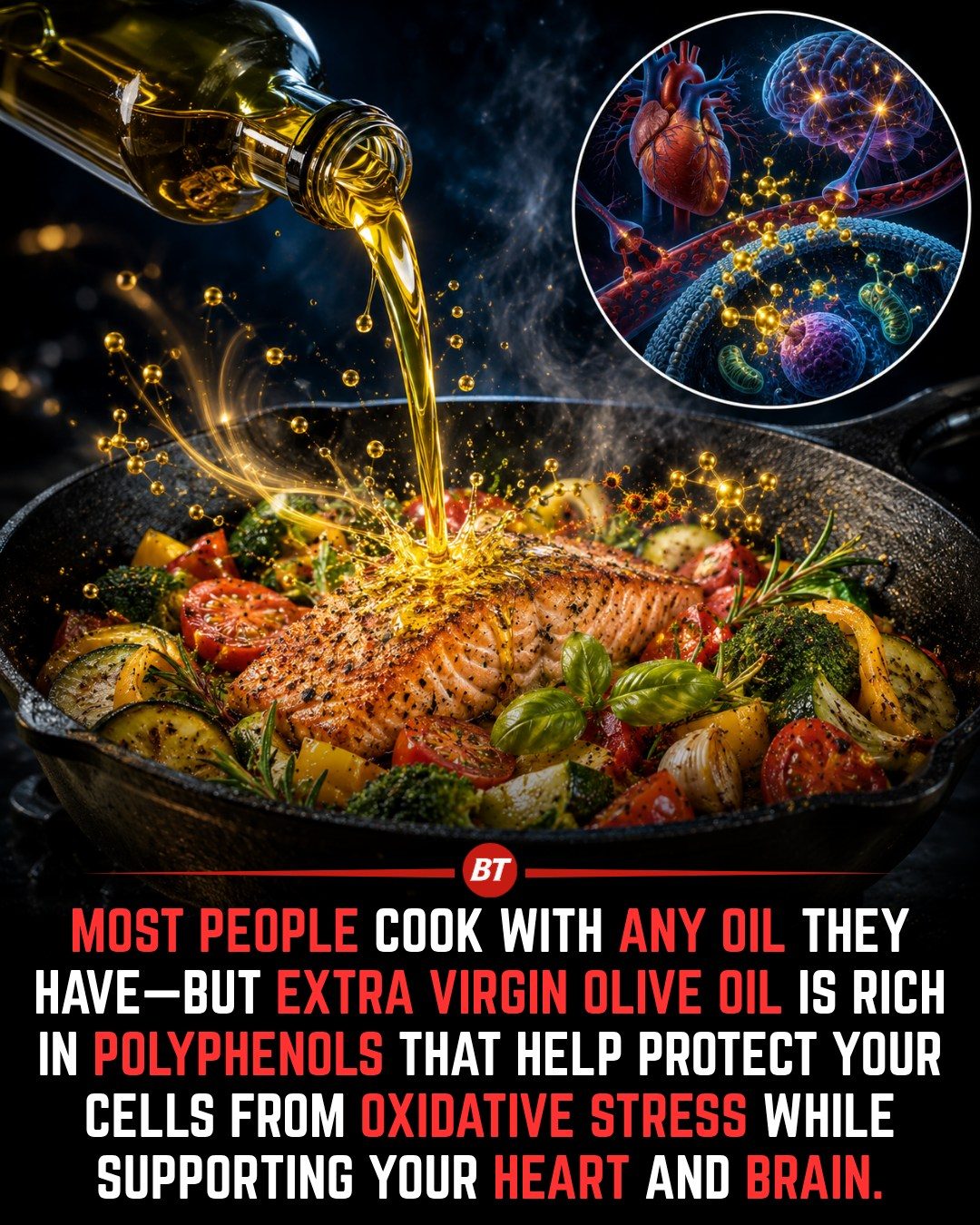
Extra Virgin Olive Oil: More Than Just a Cooking Oil
Extra virgin olive oil is a staple in many kitchens, but did you know that it offers more than just a cooking fat? This oil is rich in polyphenols, natural plant compounds that provide a range of health benefits. Let's dive into what makes extra virgin olive oil a standout choice for your culinary needs and overall health.
Why Extra Virgin Olive Oil Matters
Extra virgin olive oil is not just a cooking oil; it is a powerhouse of natural compounds that contribute to overall health. The key players here are polyphenols, which include hydroxytyrosol, oleuropein, and oleocanthal. These compounds act as powerful antioxidants, helping to protect your cells from oxidative stress—a process that can damage proteins, fats, and DNA over time. This antioxidant effect is one of the reasons why the Mediterranean diet, which heavily features olive oil, is linked to healthy aging and lower rates of heart disease.
Extra Virgin Olive Oil: The Science Behind the Benefits
Polyphenols and Antioxidant Power
Polyphenols are the star compounds in extra virgin olive oil. They act as antioxidants, neutralizing free radicals in the body. This process helps to prevent oxidative stress, which can lead to chronic diseases. One of the primary polyphenols in olive oil, hydroxytyrosol, is particularly effective in combating oxidative stress.
Heart Health and Cognitive Benefits
The health benefits of extra virgin olive oil extend beyond antioxidant properties. Studies have shown that a diet rich in olive oil can significantly reduce the risk of heart disease. For example, the PREDIMED trial, published in the New England Journal of Medicine, followed over 7,000 adults at high cardiovascular risk. Those who followed a Mediterranean diet supplemented with extra virgin olive oil experienced a significantly lower risk of major cardiovascular events compared to those on a lower-fat diet.
In addition to heart health, higher intake of extra virgin olive oil is linked to better cognitive health. The combination of healthy monounsaturated fats and antioxidant polyphenols in olive oil may help reduce the risk of age-related cognitive decline. This dual benefit makes extra virgin olive oil a valuable addition to a balanced diet.
Anti-Inflammatory Properties
Some of the polyphenols in extra virgin olive oil also have natural anti-inflammatory properties. This is another reason why the Mediterranean diet, which is rich in olive oil, has been linked to lower rates of heart disease and healthier aging. By reducing inflammation, olive oil can help support overall health and wellbeing.
Practical Tips for Using Extra Virgin Olive Oil
Choosing the Right Oil
When shopping for olive oil, always look for bottles labeled "extra virgin." This designation indicates that the oil has been produced using the first cold press of the olives, preserving the valuable polyphenols. Store your extra virgin olive oil in a cool, dark place to maintain its quality and nutrients.
Cooking with Extra Virgin Olive Oil
Extra virgin olive oil has a lower smoke point than some refined oils, but it's still suitable for most everyday cooking methods. Use it for sautéing, roasting, and pan-frying. The antioxidant compounds in extra virgin olive oil help maintain its stability during typical home cooking temperatures, making it a flavorful and nutritious choice for many meals.
Incorporating Extra Virgin Olive Oil into Your Diet
Here are a few simple ways to incorporate extra virgin olive oil into your daily diet:
- Salad Dressing: Drizzle extra virgin olive oil over your favorite salads for added flavor and health benefits.
- Drizzling: Use it as a finishing oil for roasted vegetables, fish, or pasta dishes.
- Dipping: Pair it with crusty bread for a classic dip.
- Sautéing and Roasting: Cook your vegetables and lean proteins in extra virgin olive oil to infuse your meals with its rich, fruity flavors.
Important Takeaways
Extra virgin olive oil is more than just a cooking oil; it is a source of powerful antioxidants and anti-inflammatory compounds. By incorporating it into your diet, you can support your heart and brain health, protect your cells from oxidative stress, and enjoy the rich flavors it brings to your meals.
Conclusion
Extra virgin olive oil stands out as a versatile and healthful choice for cooking and diet enhancement. Its rich polyphenol content, along with its antioxidant and anti-inflammatory properties, makes it a valuable addition to any kitchen. Whether you're sautéing vegetables, drizzling it over salads, or using it as a finishing oil, extra virgin olive oil offers numerous health benefits that go beyond its calories. Make the switch to extra virgin olive oil and experience the difference in both flavor and health.
Watch the Reel
Questions readers ask
What are polyphenols and how do they benefit my health?
Polyphenols are natural plant compounds found in extra virgin olive oil. They act as antioxidants, protecting your cells from oxidative stress and reducing the risk of chronic diseases. Some key polyphenols in olive oil are hydroxytyrosol, oleuropein, and oleocanthal, which have been shown to support heart and brain health.
How does extra virgin olive oil support heart health?
Extra virgin olive oil promotes heart health through its antioxidant and anti-inflammatory properties. The polyphenols in the oil help lower the risk of heart disease by reducing oxidative stress and inflammation, which are key factors in the development of cardiovascular issues. Additionally, it can help improve cholesterol levels and reduce blood pressure.
Can extra virgin olive oil improve brain function?
Yes, the polyphenols in extra virgin olive oil, such as oleocanthal, have been linked to improved brain health. They help reduce inflammation in the brain and protect brain cells from oxidative damage, which can contribute to better cognitive function and a lower risk of neurodegenerative diseases. Incorporating extra virgin olive oil into your diet may support long-term brain health.
What makes extra virgin olive oil different from other cooking oils?
Extra virgin olive oil stands out due to its high content of polyphenols, which give it powerful antioxidant and anti-inflammatory properties. Unlike other oils, extra virgin olive oil is minimally processed, retaining more of its natural compounds. This makes it a healthier choice for cooking and adds a unique flavor to dishes.
Is extra virgin olive oil suitable for cooking?
Absolutely. With a relatively high smoke point, extra virgin olive oil is suitable for various cooking methods, including sautéing, baking, and even frying. Its robust flavor, also enhances the taste of dishes, making it a versatile addition to a balanced diet.
Related deep dives
Similar reads based on topic and creator.




Recent articles
Fresh deep dives from the latest Reels we unpacked.




Comments
Be the first to comment.