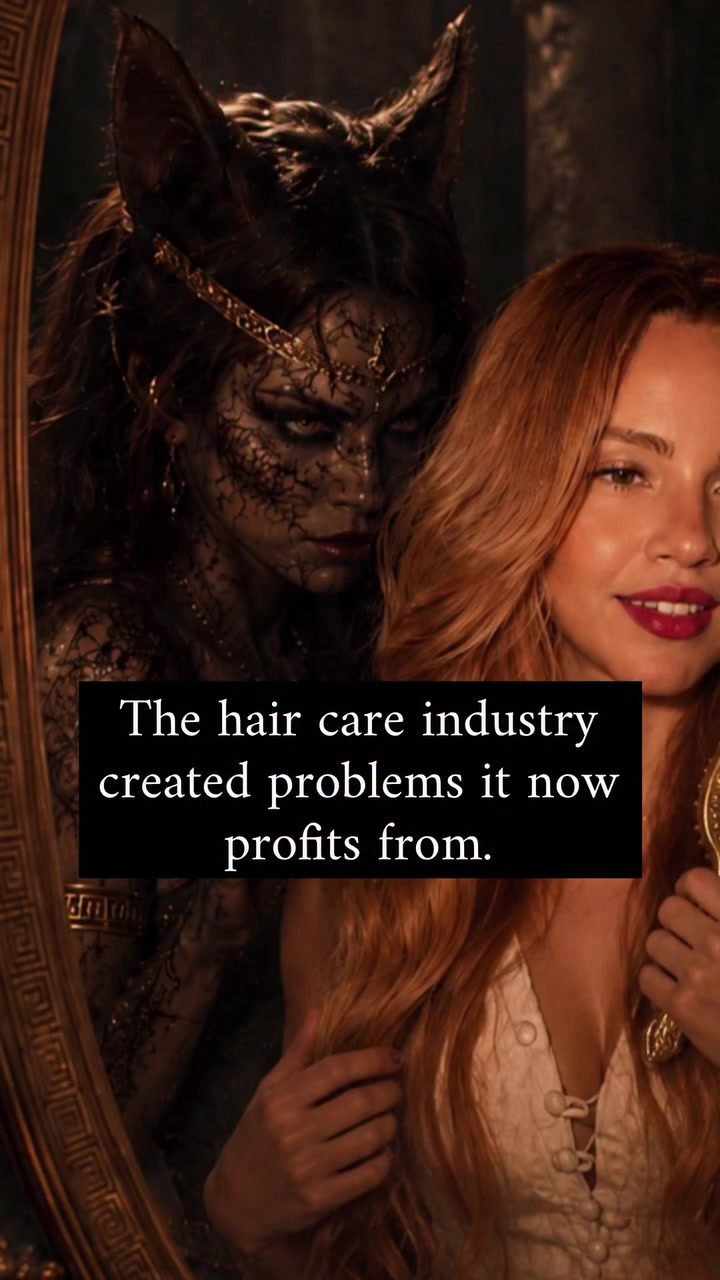
Hair Care Industry Critique: Navigating the Complex World of Hair Products
The hair care industry is a multi-billion-dollar business, yet it's often criticized for creating problems that it then profits from. This critique is gaining traction, as consumers become more aware of the potential damages caused by certain hair care products and practices.
Why This Matters
The state of one's hair is a reflection of overall health, and maintaining healthy hair is about more than just appearance—the scalp is the foundation of healthy hair and, much like the skin, requires the right care and attention. Many hair care products are formulated with ingredients that can strip hair of natural oils and moisture, leading to a variety of issues including dryness, breakage, and scalp irritation. Understanding these factors can empower consumers to make more informed decisions about their hair care routines.
Industry Practices and Their Implications
Over-stripping Shampoos
One of the primary issues with many hair care products is their tendency to over-strip, which often leaves the hair feeling dry and brittle. Shampoos that contain sulfates, for example, are designed to create a rich lather, which can effectively strip the hair of its natural oils. While sulfates can be very effective at removing buildup and dirt, they can also strip away the hair's natural moisture, leaving it feeling dry and dull.
Silicone Buildup
Silicone-based products are often used to create the illusion of smooth, shiny hair. While they can initially make hair appear healthier and more manageable, silicone buildup can lead to long-term issues. Over time, silicones can cause the hair to become weighed down, making it look limp and lifeless. Additionally, silicones can be difficult to remove without the use of harsh clarifying shampoos, which again can lead to further damage.
Synthetic Fragrances
The fact that many hair care products contain synthetic fragrances can be a double-edged sword. While pleasant scents can enhance the user experience, synthetic fragrances can also irritate the scalp. The skin on the scalp is quite thin and sensitive, making it particularly vulnerable to irritation. Products with synthetic fragrances can trigger allergic reactions, leading to itching, redness, and even hair loss in severe cases.
"Repair" Systems
Many companies market "repair" systems designed to fix the damage caused by their own products. These systems often include deep conditioning treatments, serums, and other specialized products. While these solutions can provide temporary relief, they often come at a high financial cost. Moreover, the long-term effectiveness of these "repair" systems is often questionable, as they may only address superficial symptoms without addressing the root cause of the damage.
Understanding Healthy Scalps
A healthy scalp is crucial for healthy hair growth, and many consumers are not educated about what a healthy scalp looks like. Most women were never taught what a healthy scalp actually looks like. For instance, a healthy scalp should have a balanced oil production. Proper sebum production keeps the scalp moisturized and prevents excessive dryness or oiliness. The scalp should also be free of irritation, redness, and flaking, which can indicate underlying issues such as dandruff or dermatitis.
The Industry's Role in Scalp Health
The hair care industry plays a significant role in scalp health, as many products are designed to be shelf-stable and visually appealing rather than beneficial to the hair and scalp. Understanding the ingredients in hair care products is crucial for maintaining scalp health. Products specifically formulated for scalp care often contain ingredients like tea tree oil, aloe vera, and salicylic acid, which can help soothe and nourish the scalp. Additionally, products that are free from sulfates and silicones can help maintain a healthy scalp by reducing the risk of irritation and buildup.
Practical Tips for Healthy Hair
Choose Gentle Cleansers
Opt for shampoos that are sulfate-free and specifically formulated for gentle cleansing. These products are less likely to strip the hair of its natural oils, helping to maintain a healthy balance.
Avoid Silicone Buildup
Look for silicone-free products to avoid buildup. Water-soluble silicones are easier to remove and are generally less harmful to the hair. Always follow up with a moisturizing conditioner to maintain hydration.
Opt for Natural Fragrances
Choose products with natural or essential oil-based fragrances. These are generally less likely to cause irritation and can even provide additional benefits such as soothing or invigorating the scalp.
Use Repairs Wisely
If you choose to use a repair system, ensure it addresses the root cause of the damage and not just the symptoms. Regular use of deep conditioning treatments can help strengthen the hair, but be cautious of over-reliance on these products.
Consult a Professional
If you're experiencing persistent issues with your scalp or hair, consider consulting a dermatologist or trichologist. These professionals can provide personalized advice and treatment plans tailored to your specific needs.
Important Takeaways
• The hair care industry often creates issues that it then profits from by selling solutions. • Over-stripping shampoos, silicone buildup, and synthetic fragrances are common culprits of hair damage. • A healthy scalp is essential for healthy hair growth. • Educating yourself about the ingredients in your hair care products can help you make more informed decisions.
Conclusion
Navigating the complex world of hair care products can be challenging, but understanding the potential pitfalls and making informed choices can lead to healthier hair.
Watch the Reel
Questions readers ask
How does the hair care industry profit from the problems it creates?
The hair care industry often promotes products that claim to fix issues caused by other products, creating a cycle of dependency. For instance, a shampoo might strip hair of natural oils, leading consumers to purchase conditioners, masks, or serums to combat the dryness. The industry benefits financially from these continuous purchases.
What are some common hair care problems caused by industry products?
Many hair care products can lead to dryness, breakage, and scalp irritation. This is often due to harsh chemicals like sulfates and parabens, which can strip hair of natural oils, leading to a variety of issues. However, consumers often seek out these products as they are promoted as solutions to poor hair health.
How can I identify hair care products that might cause more harm than good?
Look for products with gentle, natural ingredients. Avoid those with harsh chemicals like sulfates, parabens, and silicones. Reading labels carefully and opting for products with fewer, recognizable ingredients can help you make better choices for your hair and scalp.
What steps can I take to improve my hair and scalp health?
Switch to natural hair care products, avoid excessive heat styling, and limit the use of harsh chemicals. Regularly trimming split ends and maintaining a balanced diet can also promote healthier hair. Additionally, consider incorporating scalp care into your routine, such as using a scalp exfoliant and gentle massages to stimulate blood flow.
Why is there a lack of awareness about the potential damage from hair care products?
The hair care industry often markets products with appealing claims, making it difficult for consumers to discern the truth. Additionally, the industry invests heavily in advertising and marketing to promote its products, which can overshadow the potential risks. However, increasing consumer awareness and demand for transparency is pushing the industry to be more honest about its practices.
Related deep dives
Similar reads based on topic and creator.

Recent articles
Fresh deep dives from the latest Reels we unpacked.




Comments
Be the first to comment.