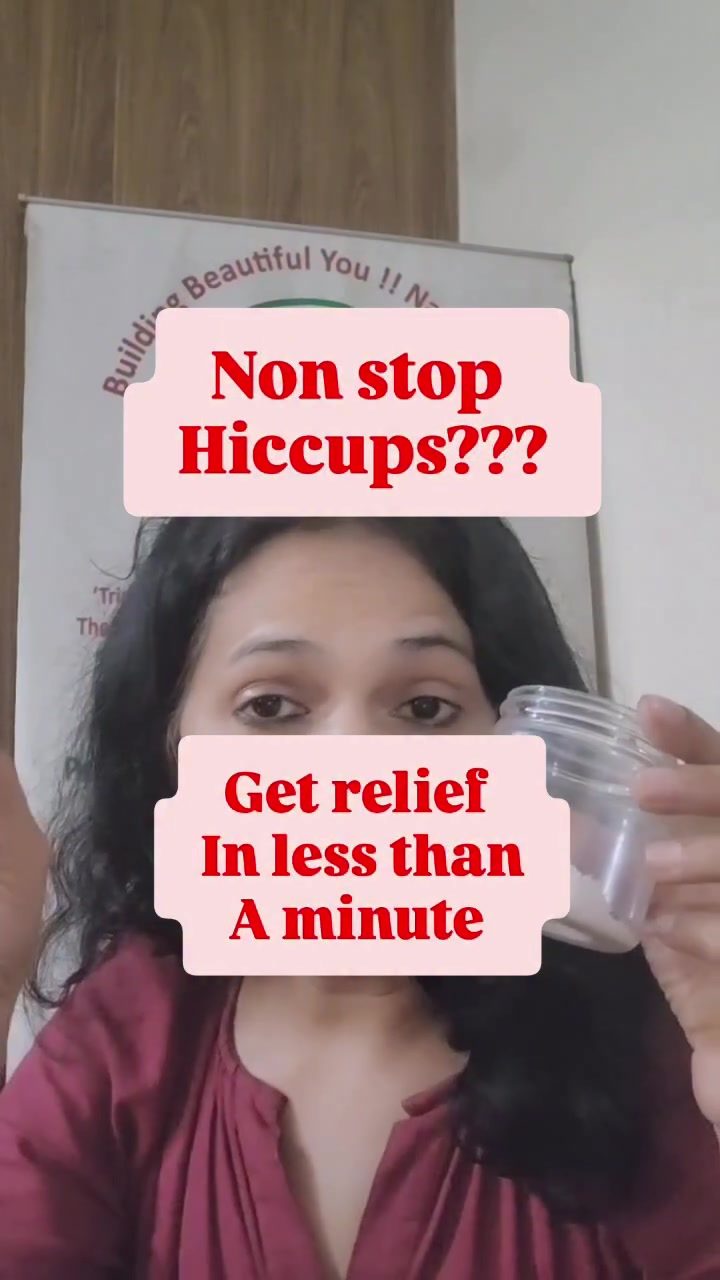
Hiccup Relief
Hiccups can be a nuisance, disrupting your breathing and causing discomfort. While most hiccups are harmless and resolve on their own, persistent or severe cases can be bothersome. Fortunately, there are simple home remedies that can provide quick relief. One such remedy involves using a pinch of salt to help stop hiccups.
Why This Matters
Hiccups occur when the diaphragm, the main breathing muscle, goes into an involuntary spasm. This spasm causes the vocal cords to snap shut, producing the characteristic "hic" sound. While hiccups are usually temporary, some people experience persistent or chronic hiccups, which can be disruptive and even painful. Understanding how to manage hiccups can improve daily comfort and well-being, especially for those who frequently experience this issue.
The Science Behind the Salt Remedy
The remedy involves placing a tiny pinch of salt under the back part of your tongue and letting it dissolve. Many people find that their hiccups stop within a minute. The effectiveness of this method lies in the strong taste stimulus provided by the salt. This intense sensation can activate sensory nerves in the mouth and throat, including branches of the glossopharyngeal and vagus nerves. This sudden burst of sensory input may interrupt the hiccup reflex arc, helping the diaphragm return to its normal rhythm. Think of it as "resetting" the body's hiccup circuit.
In Ayurveda, strong tastes are believed to stimulate digestion and normalize disturbed Vata, which is traditionally associated with spasmodic movements such as hiccups. This ancient wisdom supports the idea that intense flavors can help regulate bodily functions and reduce discomfort.
Types of Salt to Use
While Celtic salt is specifically mentioned, other mineral-rich salts like rock salt or Himalayan pink salt can also be effective. The key is to use a salt that is rich in minerals, as opposed to the mineral-deficient salts commonly found in the market. These mineral-rich salts may provide additional health benefits beyond just stopping hiccups.
Practical Tips
When using this remedy, follow these steps for best results:
- Prepare the Salt: Use a tiny pinch of Celtic salt, rock salt, or Himalayan pink salt.
- Place Under the Tongue: Position the salt under the back part of your tongue.
- Wait: Allow the salt to dissolve completely. This should take about 30 seconds.
- Observe: Within a minute, you should notice that your hiccups have stopped.
Important Precautions
While this remedy is generally safe, there are a few precautions to keep in mind:
- Use Sparingly: Only use a tiny pinch of salt. Overdoing it can lead to discomfort or other issues.
- Salt Restrictions: If you have severe salt restrictions due to conditions like uncontrolled high blood pressure, kidney disease, or heart failure, consult a healthcare provider before trying this remedy.
- Persistent Symptoms: If hiccups last more than 48 hours, keep returning repeatedly, or are associated with severe pain, vomiting, breathing difficulty, or neurological symptoms, seek medical evaluation rather than relying on home remedies.
Other Home Remedies
In addition to the salt remedy, there are other home remedies that can help alleviate hiccups:
- Drinking Water: Sometimes, simply drinking a glass of water slowly can help stop hiccups.
- Breathing Techniques: Holding your breath for a short period or breathing into a paper bag can help regulate your breathing and stop hiccups.
- Sugar: Placing a small amount of granulated sugar on the back of your tongue can also provide a strong taste stimulus that may interrupt the hiccup reflex.
Important Takeaways
- Effective Remedy: A pinch of mineral-rich salt under the tongue can stop hiccups within a minute for many people.
- Sensory Stimulus: The strong taste activates sensory nerves, potentially interrupting the hiccup reflex.
- Mineral-Rich Salt: Use Celtic salt, rock salt, or Himalayan pink salt for best results.
- Safety First: Be cautious with salt intake, especially if you have health conditions that require salt restriction.
Conclusion
Hiccups can be a minor annoyance or a significant disruption, depending on their frequency and severity. The salt remedy offers a simple, natural way to find relief. By understanding the science behind this remedy and following the practical tips, you can effectively manage hiccups and improve your overall comfort. If hiccups persist or are accompanied by other symptoms, always consult a healthcare provider for professional advice.
Watch the Reel
Questions readers ask
How does salt help to stop hiccups?
Salt helps to disrupt the hiccup reflex by stimulating the vagus nerve, which controls the diaphragm. When a small amount of salt is placed on the tongue, it can trigger a gag reflex, causing the diaphragm to relax and the hiccups to subside.
Is using salt for hiccup relief safe for everyone?
While salt is generally safe, it may not be suitable for everyone. Individuals with high blood pressure or those on low-sodium diets should consult a healthcare provider before trying this remedy. Additionally, avoid giving salt to infants or young children, as they have different dietary needs and sensitivities.
What is the correct way to use salt for hiccup relief?
To use salt for hiccup relief, take a small pinch of salt—about 1/8 to 1/4 teaspoon—and place it on your tongue. Allow it to dissolve slowly. You can also mix it with a small amount of water to make it easier to ingest. Repeat if the hiccups persist, but monitor your intake to avoid consuming too much salt.
How quickly can salt provide hiccup relief?
Salt can provide hiccup relief almost instantly for some people, often within a few minutes. However, results may vary. If the hiccups do not subside after a few attempts, or if they persist for more than 48 hours, it is advisable to seek medical attention.
Can salt be combined with other home remedies for hiccups?
Yes, salt can be combined with other home remedies for hiccups. For example, you can try drinking a glass of water immediately after taking the salt. Other remedies include holding your breath, pulling your knees to your chest, or gently tugging on your tongue.
Are there any alternatives to salt for hiccup relief?
Yes, there are several alternatives to salt for hiccup relief. Drinking a glass of water quickly, swallowing a teaspoon of sugar, or sipping a small amount of vinegar can also help. Additionally, breathing into a paper bag or chewing on a lemon wedge are other methods that can provide relief.
What causes hiccups and can they be prevented?
Hiccups are caused by involuntary contractions of the diaphragm, the main muscle involved in breathing. Common triggers include eating too quickly, carbonated drinks, sudden excitement, or temperature changes. While hiccups cannot always be prevented, eating slowly, avoiding carbonated beverages, and managing stress can help reduce their frequency.
Related deep dives
Similar reads based on topic and creator.

Recent articles
Fresh deep dives from the latest Reels we unpacked.




Comments
Be the first to comment.