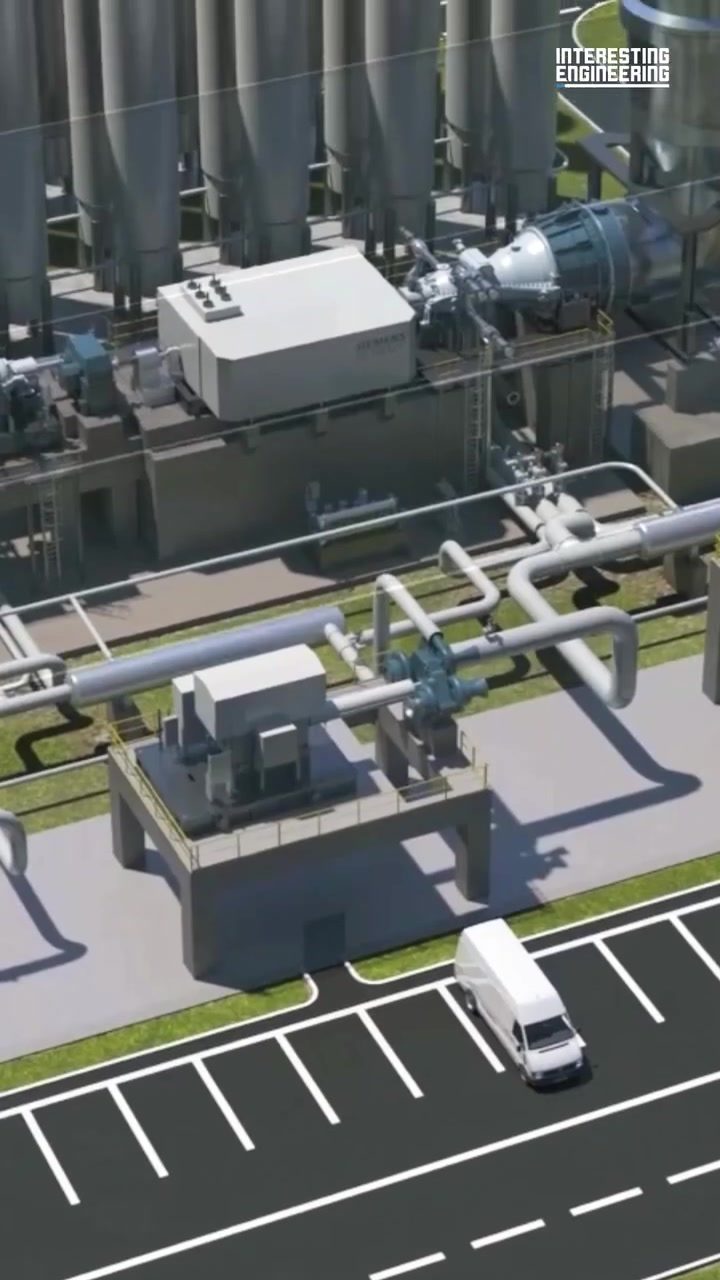
Compressed Air Energy Storage: A Key to Balancing Renewable Power
Renewable energy sources like wind and solar are increasingly important, but they come with a challenge: intermittency. When the wind isn't blowing or the sun isn't shining, energy storage solutions are crucial. Compressed Air Energy Storage (CAES) is emerging as a promising technology to fill the gap between short-term and long-term storage solutions like lithium-ion batteries and hydroelectric systems.
Why This Matters
As the world shifts towards renewable energy, the need for efficient and cost-effective energy storage becomes paramount. CAES offers a unique solution by storing energy in the form of compressed air, which can be released to generate electricity when demand is high. This technology is particularly valuable for balancing the grid, ensuring a steady supply of power even when renewable sources fluctuate.
How Compressed Air Energy Storage Works
The basic principle of CAES involves using excess electricity to compress air, which is then stored and later used to generate electricity. The process can be broken down into several key steps:
-
Isothermal Compression: To minimize energy loss, the system maintains a constant temperature during the compression process. This means controlling the temperature to prevent the air from heating up and cooling down rapidly, a process known as isothermal compression. By keeping the temperature steady, the system can achieve higher efficiency and simpler storage.
-
Advanced Heat Exchangers: Effective heat management is crucial. Advanced heat exchangers and clever engineering are required to handle the high pressures and temperatures involved in the compression process. These components ensure that the system operates efficiently, reducing energy waste.
-
Storage Solutions: Compressed air can be stored in two main ways: underground in natural formations like salt caverns, or above ground in tanks and caverns.
Underground Storage: The Salt Cavern Advantage
Salt caverns are a remarkable technology for underground storage. These vast underground spaces can store enormous volumes of compressed air at a very low cost per unit of energy. The key advantages include:
-
Cost-Effectiveness: Once the initial excavation and setup costs are covered, the ongoing cost per unit of energy stored is very low. This makes salt caverns an economical choice for large-scale energy storage.
-
Scalability: Salt caverns can hold millions of cubic meters of compressed air, making them ideal for grid-scale energy storage. They are built to last and can store energy for extended periods, providing a reliable backup for the grid.
-
Geological Dependence: The effectiveness of salt caverns depends on the availability of suitable geology. Areas with stable salt formations are ideal for this type of storage, but not all regions have access to this resource.
Above-Ground Storage: Flexibility and Mobility
Above-ground storage systems offer a different set of benefits:
-
Modularity: These systems are smaller and more modular, allowing for flexible deployment. They can be easily moved and scaled according to demand, making them useful for a variety of applications.
-
Rapid Deployment: Above-ground systems can be set up quickly, providing a fast response to changing energy needs. This makes them ideal for situations where rapid deployment is crucial.
-
Higher Costs: While flexible, above-ground systems are generally more expensive per unit of energy stored compared to underground options. The cost is higher due to the need for specialized equipment and materials to handle the high pressures involved.
Economic Considerations
Despite its advantages, CAES faces significant economic challenges. The upfront costs of building and maintaining these systems are very high. However, the unique advantage of CAES lies in its separation of power and storage costs. The cost of the power system (turbines and compressors) is distinct from the cost of the storage volume (caverns and tanks). This separation allows for more flexible economic planning and potential cost savings in the long run.
Practical Tips for Implementing CAES
-
Geological Surveys: Conduct thorough geological surveys to identify suitable locations for underground storage, particularly salt caverns.
-
Advanced Engineering: Invest in advanced heat exchangers and engineering solutions to handle the high pressures and temperatures involved in the compression process.
-
Modular Design: Consider modular above-ground systems for flexible and rapid deployment, especially in areas where geology is not suitable for underground storage.
-
Economic Planning: Plan for the high upfront costs and consider the long-term benefits of separating power and storage costs.
Important Takeaways
CAES is a promising technology for balancing the grid and ensuring a steady supply of power from renewable sources. With its ability to store large amounts of energy efficiently, CAES can play a crucial role in the transition to a more sustainable energy future. However, challenges such as high upfront costs and the need for advanced engineering solutions must be addressed to scale this technology effectively.
Conclusion
Compressed Air Energy Storage offers a unique and valuable solution for energy storage, particularly in bridging the gap between short-term and long-term storage needs. By controlling the temperature during compression, using advanced engineering, and leveraging both underground and above-ground storage solutions, CAES can provide a reliable and efficient way to balance the grid. As the world continues to transition to renewable energy, CAES will likely play an increasingly important role in ensuring a stable and sustainable energy supply.
Watch the Reel
Questions readers ask
What makes salt caverns suitable for compressed air energy storage?
Salt caverns are ideal for compressed air energy storage due to their natural ability to maintain structural integrity under high pressures and their impermeable nature, which prevents air leakage. Additionally, salt is easy to excavate, and caverns can be created in various sizes to accommodate different storage needs.
How does compressed air energy storage help balance the renewable energy grid?
Compressed Air Energy Storage (CAES) helps balance the grid by storing excess energy generated from renewable sources during off-peak hours and releasing it during peak demand. This process ensures a steady and reliable power supply, even when renewable energy production is intermittent.
What are the benefits of underground energy storage in salt caverns?
Underground energy storage in salt caverns offers several benefits, including high energy density, low operational costs, and minimal environmental impact. These caverns can store large volumes of compressed air, making them a cost-effective solution for long-term energy storage.
How does compressed air energy storage in salt caverns compare to other energy storage solutions?
Compressed air energy storage in salt caverns is particularly advantageous for long-term energy storage, unlike batteries, which are better suited for short-term storage. It offers a more cost-effective solution for storing large volumes of energy, making it a viable option for supporting renewable energy integration on the grid.
What happens to the compressed air during energy storage?
During energy storage, compressed air is pumped into the salt caverns using excess energy from renewable sources. The air is stored under high pressure, and when energy demand is high, the compressed air is released and heated to drive a turbine, generating electricity.
Are there any environmental concerns associated with compressed air energy storage in salt caverns?
Compressed air energy storage in salt caverns is generally considered environmentally friendly. The process does not produce harmful emissions, and the caverns are typically located in stable geological formations, minimizing the risk of environmental impact.
What is the typical lifespan of a salt cavern used for compressed air energy storage?
The lifespan of a salt cavern used for compressed air energy storage can be several decades if properly maintained. Salt caverns can withstand the high pressures and temperatures required for the process, ensuring long-term durability and reliability.
Recent articles
Fresh deep dives from the latest Reels we unpacked.




Comments
Be the first to comment.