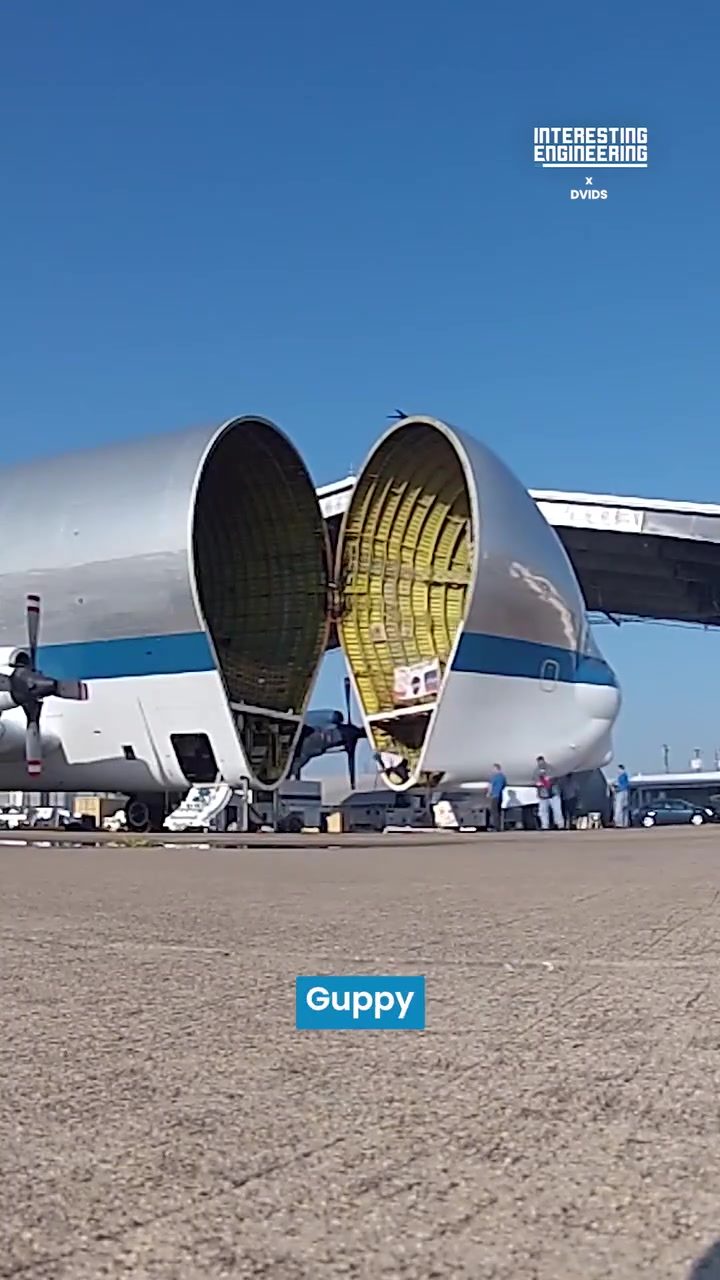
NASA's Super Guppy Plane
A true marvel of aviation, the NASA Super Guppy is renowned for its distinctive, bulbous fuselage and oversized shape. It is instantly recognizable, making it one of the world's most unusual cargo aircraft. The Super Guppy's unique design has made it an iconic sight in the aviation world, supporting NASA missions from Apollo to Artemis.
Why This Airplane Matters
The Super Guppy is not just an engineering marvel; it plays a crucial role in the logistics of space exploration. Its ability to transport massive spacecraft components makes it indispensable for NASA's missions. The plane's hinged nose, which swings open 110 degrees, reveals a cargo bay that is 25 feet wide and 111 feet long. This enormous interior allows for the transport of rockets, satellites, and other oversized parts between facilities, ensuring that NASA's ambitious projects stay on track.
Design and Functionality
The Unique Fuselage
The Super Guppy's most striking feature is its enormous, whale-like fuselage. This design is not just for show; it serves a practical purpose. The bulbous shape provides ample space for transporting large, delicate components that would otherwise be impossible to move by conventional means.
The Hinged Nose
One of the Super Guppy's most innovative features is its hinged nose. This design element is far from being a mere novelty; it adds significant functionality. The nose swings open to 110 degrees, allowing for easy loading and unloading of cargo. This feature makes the Super Guppy incredibly efficient and versatile, capable of handling a wide range of oversized and delicate equipment.
Cargo Bay Dimensions
The cargo bay of the Super Guppy is a marvel in itself. Measuring 25 feet wide and 111 feet long, it provides an enormous volume for transporting goods. This spacious interior is essential for moving the large components required for space missions, ensuring that everything from rockets to satellites can be transported safely and efficiently.
Practical Tips for Aviation Enthusiasts
Observation Tips
For aviation enthusiasts, spotting a Super Guppy in action is a thrilling experience. If you're lucky enough to see one, pay close attention to the following details:
- The Nose Mechanism: Watch how the hinged nose opens and closes. It's a smooth, well-engineered movement that showcases the plane's innovative design.
- The Fuselage: Observe the unique shape of the fuselage. Its bulbous design is not just visually striking but also crucial for its functionality.
Photographing the Super Guppy
If you're an aviation photographer, capturing the Super Guppy can be a dream come true. Here are some tips:
- Choose the Right Angle: The Super Guppy's distinctive shape lends itself to dramatic angles. Consider shooting from the side to capture the full length of the fuselage or from the front to highlight the open nose.
- Focus on Details: The hinged nose and the cargo bay are key features. Get up close to capture the intricate mechanics and the sheer scale of the interior.
Important Takeaways
The Super Guppy is more than just an unusual-looking aircraft; it's a testament to human ingenuity and innovation. Its design, which includes a distinctive bulbous fuselage and a hinged nose, serves a practical purpose beyond aesthetics. This plane has played a pivotal role in supporting NASA missions from Apollo to Artemis, ensuring that massive spacecraft components can be transported safely and efficiently.
Moreover, the Super Guppy's cargo bay dimensions—25 feet wide and 111 feet long—make it a remarkable piece of engineering. The spacious interior allows for the transport of a wide range of oversized and delicate equipment, making it indispensable for space exploration.
Conclusion
In the world of aviation, few aircraft are as iconic and functional as the NASA Super Guppy. Its unique design and practical features make it a standout in the field. Whether you're an aviation enthusiast, a photographer, or simply someone fascinated by engineering marvels, the Super Guppy is a sight to behold and a symbol of human innovation in the realm of space exploration.
Watch the Reel
Questions readers ask
What is the unique feature that sets the NASA Super Guppy apart from other cargo planes?
The NASA Super Guppy is distinguished by its bulbous fuselage and hinged nose, which opens 110 degrees to reveal a massive cargo bay. This design allows it to transport extraordinarily large components for space missions.
How does the NASA Super Guppy support space exploration missions?
The Super Guppy supports space exploration missions by transporting large spacecraft components. Its enormous cargo bay, measuring 25 feet wide and 111 feet long, enables it to carry crucial parts for missions ranging from Apollo to Artemis.
What is the origin of the NASA Super Guppy's distinctive name?
The name 'Super Guppy' is a playful reference to its bulbous shape, which resembles a pregnant Guppy fish. The original Guppy aircraft was used to transport components for the Saturn V rocket, and the Super Guppy is an enlarged version of that design.
What are the dimensions of the Super Guppy's cargo bay?
The Super Guppy's cargo bay is 25 feet wide and 111 feet long. It is designed to carry large and bulky cargo items, accommodating spacecraft components that would not fit in a conventional cargo plane.
Can the NASA Super Guppy be used for commercial cargo transportation?
The NASA Super Guppy is specifically designed for the unique needs of space exploration and does not typically operate for commercial cargo transportation. Its design and capabilities cater to the specialized requirements of transporting spacecraft components and other large, sensitive cargo for NASA missions.
What role did the Super Guppy play in the Apollo missions?
The Super Guppy played a vital role in the Apollo missions by transporting large components of the Saturn V rocket and other spacecraft parts. Its ability to carry these massive components was essential for the success and logistics of the Apollo program.
Who operates the NASA Super Guppy and what is its primary mission?
The NASA Super Guppy is operated by NASA. Its primary mission is to transport large spacecraft components that are essential for space exploration. It ensures that these critical parts are safely delivered to the necessary locations for assembly and launch.
Related deep dives
Similar reads based on topic and creator.

Recent articles
Fresh deep dives from the latest Reels we unpacked.




Comments
Be the first to comment.