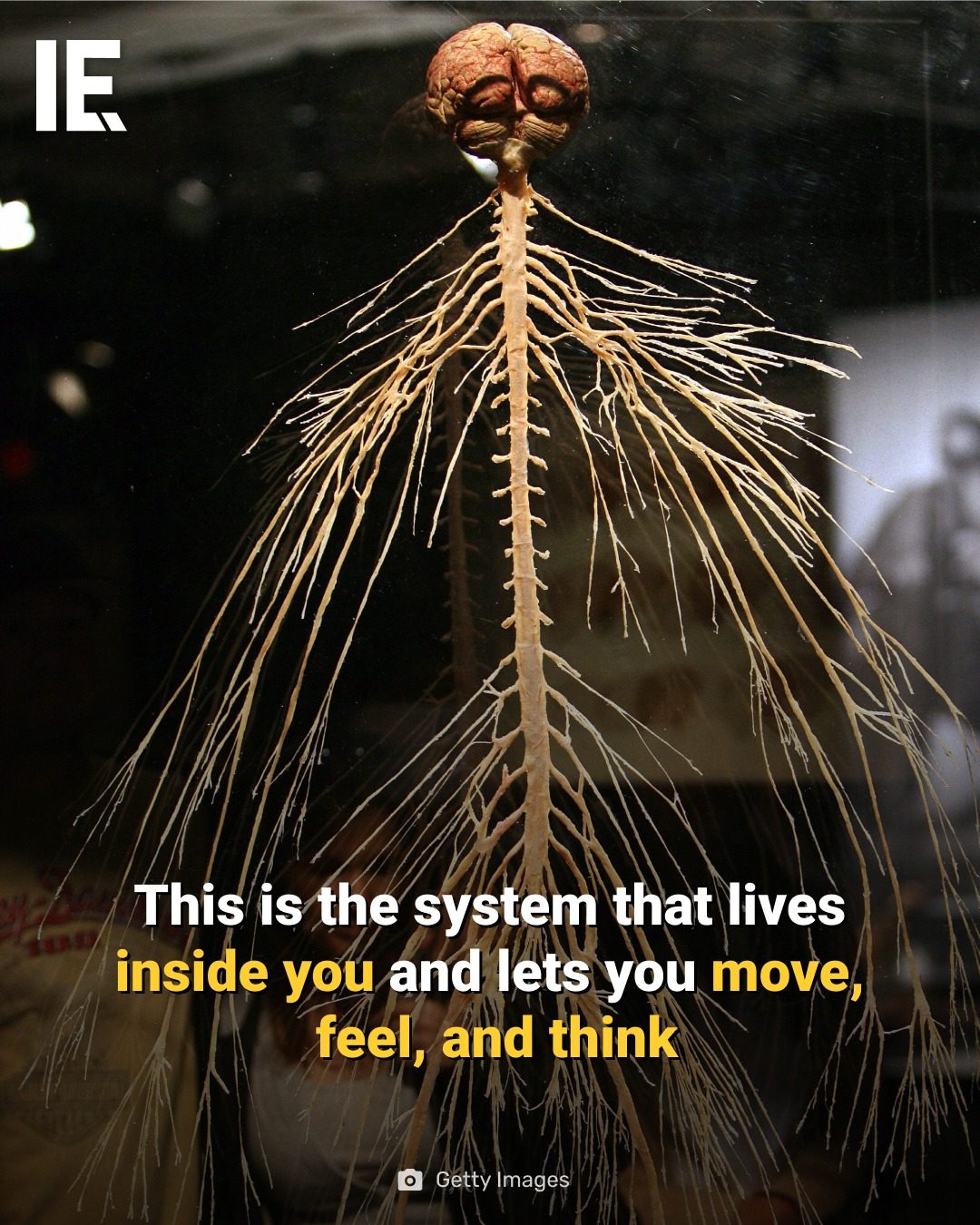
The Intricate Wiring of the Human Nervous System
The human nervous system is a complex network of neurons that controls every aspect of our bodily functions, from movement and sensation to thought and reflexes. Often compared to tree roots or lightning frozen in time, this intricate system is the living wiring that enables us to interact with the world.
Why This Matters
Understanding the nervous system is crucial for appreciating how our bodies function. It plays a pivotal role in our daily lives, governing everything from the simplest reflexes to the most complex cognitive processes. By delving into its structure and functions, we can gain insights into how to maintain and enhance our overall health and well-being.
Main Discussion
The Structure of the Nervous System
The nervous system comprises the brain, spinal cord, and a vast network of nerves that branch out throughout the body. This network is responsible for transmitting signals between different parts of the body, ensuring seamless communication and coordination.
The Brain
The brain is the control center of the nervous system. It is responsible for processing information, making decisions, and controlling bodily functions. The brain is divided into several regions, each with specific functions. For example, the cerebral cortex is involved in higher-order functions like thought and language, while the brainstem regulates essential functions like breathing and heart rate.
The Spinal Cord
The spinal cord is a long, cylindrical bundle of nerve fibers that runs from the base of the brain down to the lower back. It serves as a communication pathway between the brain and the rest of the body. The spinal cord is crucial for relaying sensory information to the brain and sending motor commands from the brain to the muscles and organs.
The Network of Nerves
Thousands of branching nerves extend from the spinal cord, forming an extensive network that reaches every part of the body. These nerves are responsible for transmitting signals that enable movement, sensation, and reflexes. The peripheral nervous system, which includes all the nerves outside the brain and spinal cord, is further divided into the somatic and autonomic nervous systems. The somatic nervous system controls voluntary movements, while the autonomic nervous system regulates involuntary functions like heart rate, digestion, and breathing.
Functions of the Nervous System
The nervous system performs three primary functions: movement, sensation, and thought.
Movement
The nervous system coordinates the movement of muscles and body parts. Motor neurons transmit signals from the brain and spinal cord to the muscles, enabling us to perform voluntary movements like walking, running, and lifting objects. This coordination is essential for executing complex motor tasks and maintaining balance and posture.
Sensation
The sensory neurons send information about the external environment to the brain. This information includes touch, pain, temperature, and the position of body parts. The brain then processes this sensory input, allowing us to perceive and respond to our surroundings. Sensation is crucial for our survival, as it helps us detect and avoid potential dangers.
Thought
The brain is the seat of cognition, processing information, and generating thoughts. It enables us to learn, remember, and make decisions. Thought processes are essential for our daily lives, from solving problems to forming relationships.
Practical Tips
Maintaining Nervous System Health
Maintaining the health of the nervous system is vital for overall well-being. Here are some practical tips to keep your nervous system in optimal condition:
-
Balanced Diet: Consume a diet rich in fruits, vegetables, whole grains, and lean proteins. Foods rich in antioxidants, vitamins, and minerals support nerve health.
-
Hydration: Stay hydrated by drinking plenty of water. Proper hydration is essential for the functioning of all bodily systems, including the nervous system.
-
Regular Exercise: Engage in regular physical activity. Exercise promotes blood flow, which is crucial for delivering nutrients and oxygen to the brain and nerves.
-
Adequate Sleep: Prioritize good sleep hygiene. Quality sleep is essential for the brain to repair and consolidate memories.
-
Stress Management: Practice stress-reduction techniques like meditation, yoga, and deep breathing exercises. Chronic stress can negatively impact the nervous system.
-
Limit Alcohol and Avoid Tobacco: Limit alcohol consumption and avoid tobacco. Excessive alcohol and tobacco use can damage nerves and impair cognitive function.
-
Mental Stimulation: Engage in activities that challenge your mind, such as reading, puzzles, and learning new skills. Mental stimulation helps maintain cognitive health.
Important Takeaways
The nervous system is a marvel of biological engineering, enabling us to move, sense, and think. Understanding its structure and functions can help us appreciate the complexity and intricacy of our bodily systems. By adopting healthy habits and maintaining a balanced lifestyle, we can support the health and functioning of our nervous system, ensuring optimal performance and well-being.
Conclusion
The human nervous system is the backbone of our existence, orchestrating every movement, sensation, and thought. From the intricate network of nerves to the complex functions of the brain, this system is essential for our daily lives. By understanding its structure and functions, we can take proactive steps to maintain its health and enhance our overall well-being. Embrace a balanced lifestyle, engage in mental stimulation, and prioritize self-care to support this vital system.
Watch the Reel
Questions readers ask
What are the primary parts of the human nervous system, and what roles do they play?
The human nervous system consists of the central nervous system (CNS), which includes the brain and spinal cord, and the peripheral nervous system (PNS), which includes nerves and ganglia. The CNS processes information and controls the body's responses, while the PNS connects the CNS to the rest of the body, relaying signals between them.
How does the nervous system control movement in the body?
The nervous system controls movement through a series of signals sent from the brain to the muscles via motor neurons. These signals initiate muscle contractions, enabling us to perform both voluntary and involuntary movements, such as walking or blinking.
What is the significance of the spinal cord in the nervous system?
The spinal cord is a crucial component of the nervous system, acting as a pathway for signals between the brain and the rest of the body. It also plays a key role in reflexes, allowing for quick responses to stimuli without involving the brain, such as the knee jerk reflex.
How do nerves in the human body transmit information?
Nerves transmit information through electrical and chemical signals. Electrical impulses travel along the axon of a neuron, and when they reach the end, they trigger the release of neurotransmitters, which carry the signal to the next neuron or target cell, such as a muscle or gland.
What are some common reflexes controlled by the nervous system?
Reflexes are involuntary, rapid responses to stimuli, controlled by the nervous system. Examples include the patellar reflex (knee jerk), which is triggered by tapping the patellar tendon, and the pupillary light reflex, which causes the pupils to constrict in response to bright light.
How does the nervous system influence thought processes?
The nervous system, particularly the brain, is instrumental in thought processes. Different regions of the brain work together to enable cognitive functions such as memory, problem-solving, and decision-making. The complex interplay of neurons and neurotransmitters in these regions underpins our ability to think and reason.
What are some ways to maintain a healthy nervous system?
Maintaining a healthy nervous system involves a balanced diet, regular exercise, adequate sleep, and stress management. Practices like mindfulness and meditation can also support nervous system health, while avoiding substances like alcohol and tobacco, and managing chronic conditions, can help preserve its functions.
Recent articles
Fresh deep dives from the latest Reels we unpacked.




Comments
Be the first to comment.