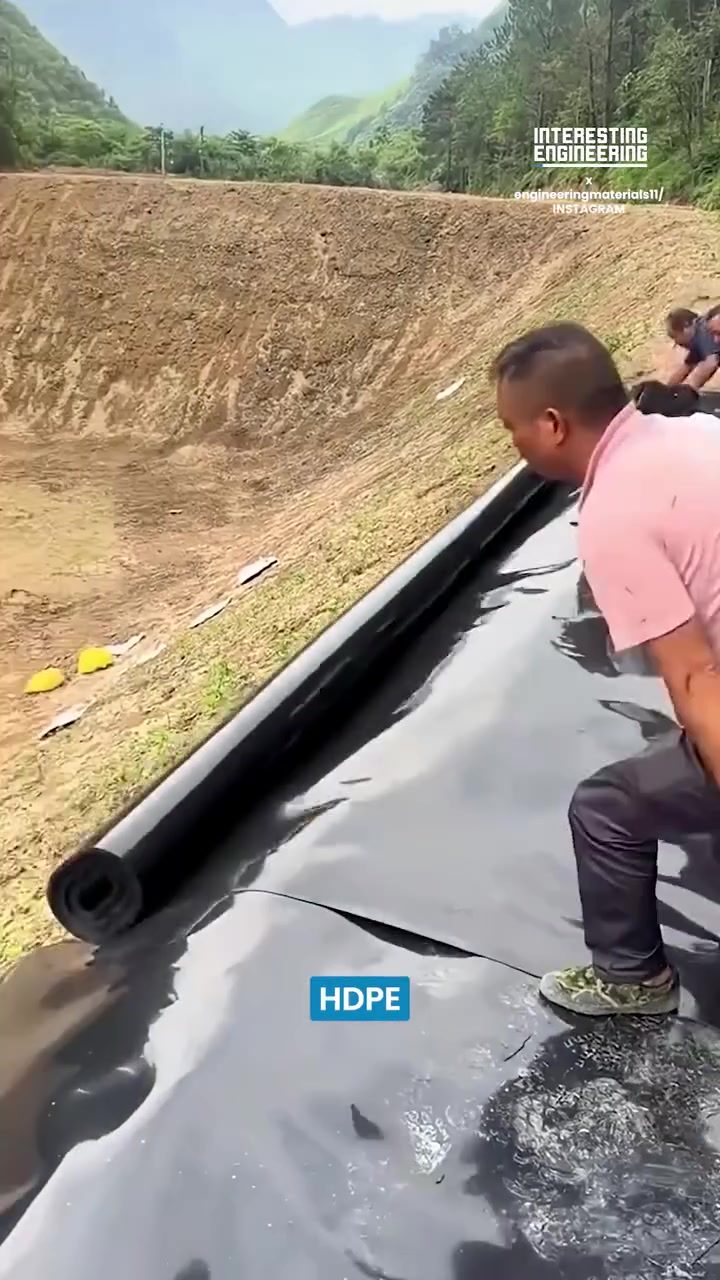
Geomembrane Liner Installation
Geomembrane liners are a critical component in various engineering projects, providing reliable waterproof barriers. These liners are essential for maintaining the integrity of reservoirs, landfills, and tailings storage facilities. The installation process involves heat-welding sheets of materials like High-Density Polyethylene (HDPE) and Low-Density Polyethylene (LDPE) to create a seamless, watertight surface.
Why Geomembrane Liners Matter
Geomembrane liners are used across a wide range of applications, from agricultural ponds to hazardous waste containment sites. Their primary function is to prevent the leakage of liquids, making them indispensable in environments where waterproofing is crucial. By offering exceptional strength, chemical resistance, and a long service life, geomembrane liners ensure the durability and safety of engineering projects.
Understanding Geomembrane Liners
Material Types and Properties
Geomembrane liners are available in various materials, with HDPE and LDPE being the most common. Each type has unique properties that make them suitable for different applications.
HDPE (High-Density Polyethylene)
HDPE is renowned for its exceptional strength and chemical resistance. It has a service life exceeding 50 years, making it ideal for long-term projects like landfills and reservoirs. Its properties include:
- Exceptional strength: HDPE can withstand significant pressure and stress, ensuring the liner remains intact under heavy loads.
- Chemical resistance: HDPE is resistant to a wide range of chemicals, making it suitable for hazardous waste containment.
- Long service life: With a lifespan of over 50 years, HDPE liners offer long-term reliability, reducing the need for frequent replacements.
LDPE (Low-Density Polyethylene)
LDPE is more flexible than HDPE, making it well-suited for applications requiring greater adaptability. Its flexibility is particularly useful in agricultural settings, where the liner needs to conform to uneven surfaces. Key properties of LDPE include:
- Flexibility: LDPE is more flexible, allowing it to adapt to various ground conditions and contours.
- Agricultural use: LDPE’s flexibility makes it an excellent choice for agricultural ponds and irrigation systems, where the terrain may vary.
- Durability: Like HDPE, LDPE is durable and resistant to environmental factors, ensuring long-term performance.
Installation Process
The installation of geomembrane liners involves several critical steps to ensure a watertight seal. This process includes:
- Site Preparation: The area where the liner will be installed is carefully prepared. This involves clearing the site, leveling the ground, and ensuring there are no sharp objects that could puncture the liner.
- Liner Layout: The geomembrane sheets are laid out across the prepared surface. This step ensures that the sheets overlap correctly, providing a continuous barrier.
- Welding: The edges of the geomembrane sheets are heat-welded together to create a seamless surface. This process is crucial for maintaining the liner's integrity and preventing leaks. The welding process involves using specialized equipment to melt the edges of the sheets, fusing them together.
- Quality Control: After welding, the liner is inspected for any defects or leaks. Quality control measures include visual inspections, pressure tests, and non-destructive testing methods to ensure the liner meets the required standards.
Key Applications
Geomembrane liners are used in various applications, each with specific requirements and benefits. Some of the most common applications include:
- Reservoirs: Geomembrane liners are essential for creating watertight reservoirs that can store large volumes of water without leaking.
- Landfills: In landfills, geomembrane liners prevent hazardous waste from seeping into the ground, protecting the environment and groundwater.
- Tailings Storage: These liners are used in tailings storage facilities to contain mining waste, ensuring environmental safety and compliance with regulations.
- Agricultural Ponds: In agricultural settings, geomembrane liners create waterproof barriers for ponds, preventing water loss and ensuring efficient irrigation.
Practical Tips for Geomembrane Liner Installation
Installing geomembrane liners requires precision and attention to detail. Here are some practical tips to ensure a successful installation:
- Choose the Right Material: Select the appropriate material based on the specific application. For example, HDPE is ideal for landfills due to its strength and chemical resistance, while LDPE is better for agricultural ponds due to its flexibility.
- Prepare the Site Thoroughly: Remove any debris or sharp objects that could puncture the liner. Ensure the surface is smooth and level for optimal installation.
- Use High-Quality Equipment: Invest in high-quality welding equipment to ensure a strong, watertight seal. Poor-quality equipment can lead to weak welds and potential leaks.
- Conduct Regular Inspections: Regularly inspect the liner for any signs of damage or wear. Address any issues promptly to maintain the liner's integrity.
- Follow Manufacturer Guidelines: Always follow the manufacturer’s guidelines for installation and maintenance. This ensures that the liner performs as expected and meets all safety and regulatory standards.
Important Takeaways
Geomembrane liners are indispensable in various engineering projects, providing reliable waterproof barriers. Key points to remember:
- Material Selection: Choose the right material (HDPE or LDPE) based on the project’s requirements.
- Installation Process: Proper site preparation, careful layout, precise welding, and thorough quality control are essential for a successful installation.
- Applications: Geomembrane liners are used in reservoirs, landfills, tailings storage, and agricultural ponds, each with specific benefits and challenges.
Conclusion
Geomembrane liners play a crucial role in ensuring the integrity and safety of various engineering projects. Whether used in reservoirs, landfills, or agricultural ponds, these liners provide reliable waterproof barriers that withstand challenging conditions. By understanding the properties of different materials, following a meticulous installation process, and conducting regular inspections, you can ensure the long-term performance and reliability of geomembrane liners.
Watch the Reel
Questions readers ask
What are the primary benefits of using HDPE geomembrane liners in engineering projects?
HDPE geomembrane liners offer exceptional durability, high strength, and excellent chemical resistance. These properties make them ideal for creating watertight barriers in reservoirs, landfills, and other critical infrastructure, ensuring the longevity and safety of various engineering projects.
How do LDPE geomembrane liners differ from HDPE geomembrane liners?
LDPE geomembrane liners are more flexible and easier to install than HDPE liners, making them suitable for applications requiring greater adaptability. However, HDPE liners typically offer better durability, chemical resistance, and strength, making them more common in demanding environments.
What are some common applications for geomembrane liners in engineering?
Geomembrane liners are used in a variety of engineering applications, including reservoirs, landfills, tailings storage facilities, and agricultural ponds. They are also used in hazardous waste containment sites to prevent liquid leakage and maintain environmental safety.
Why is chemical resistance important in geomembrane liners?
Chemical resistance is crucial in geomembrane liners because they often come into contact with various liquids, including chemicals, that could degrade the material over time. High performance geomembrane liners, like HDPE, offer excellent chemical resistance, ensuring they remain effective and durable in harsh environments.
What is the process for installing geomembrane liners?
The installation of geomembrane liners typically involves heat-welding sheets of materials like HDPE and LDPE to create a seamless, watertight surface. This process is essential for maintaining the integrity of the liner and ensuring it effectively prevents liquid leakage in reservoirs, landfills, and other critical infrastructure.
Can geomembrane liners be used in agricultural settings?
Yes, geomembrane liners are commonly used in agricultural settings, particularly for creating ponds and irrigation systems. Their ability to prevent liquid leakage and provide a reliable waterproof barrier makes them ideal for managing water resources in farming and ranching operations.
What factors should be considered when choosing between HDPE and LDPE liners?
When choosing between HDPE and LDPE liners, consider the specific requirements of your project. HDPE liners are better suited for high-stress and chemically aggressive environments due to their superior durability and chemical resistance. LDPE liners, on the other hand, offer greater flexibility and are easier to install, making them suitable for less demanding applications.
Related deep dives
Similar reads based on topic and creator.
Recent articles
Fresh deep dives from the latest Reels we unpacked.




Comments
Be the first to comment.