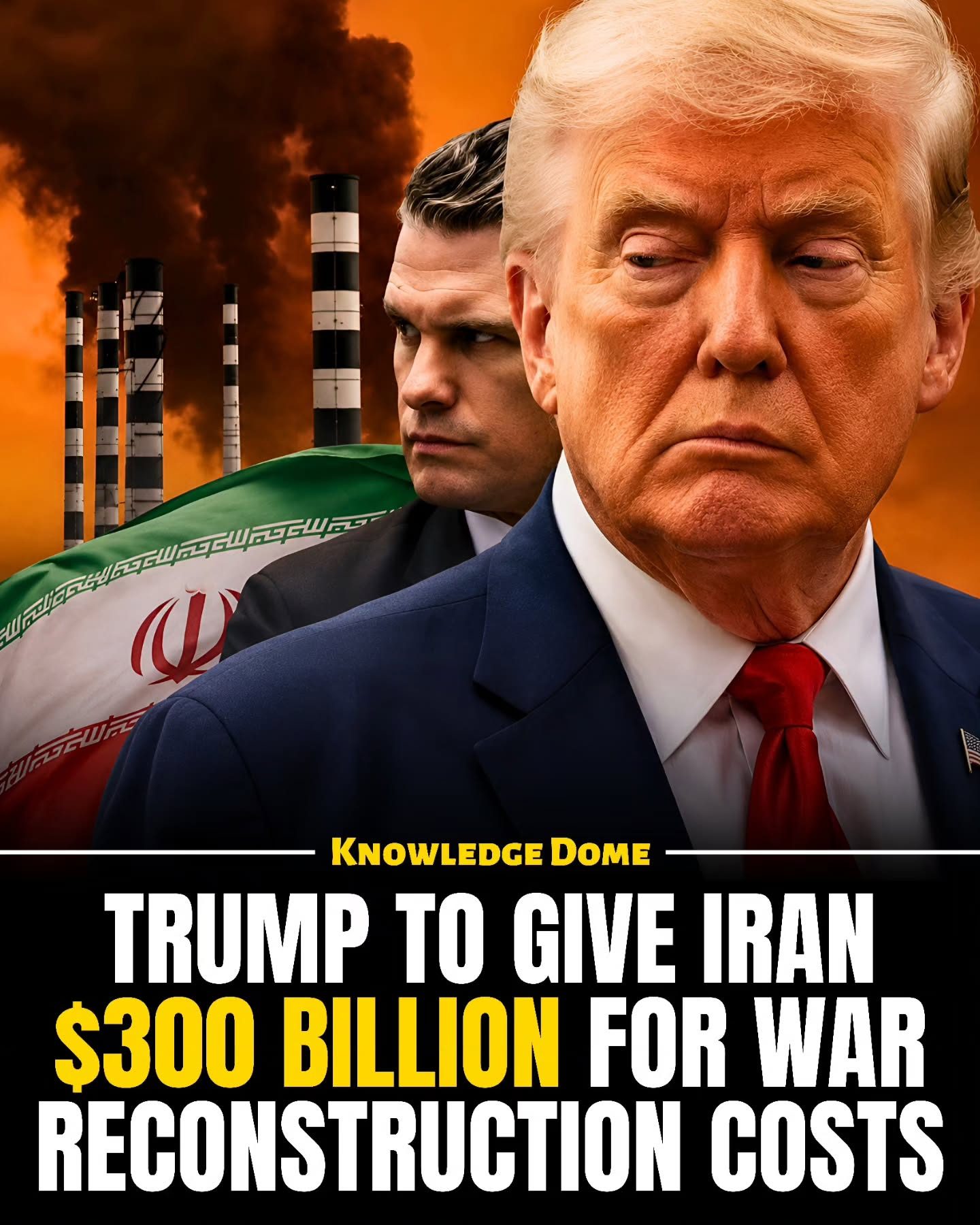
A $300 Billion Reconstruction Fund for Iran? Understand the Details
The possibility of a $300 billion reconstruction fund for Iran as part of a U.S.-Iran deal has sparked significant discussion. This fund, however, is not a direct cash payment from the U.S. government. Instead, it is likely to be sourced from private investments, contingent on a final peace deal being reached. This article dives into the details of this potential fund, its implications, and the broader context of U.S.-Iran relations.
Why This Matters
The proposed reconstruction fund is directly linked to the extensive damage caused by the war in Iran. Estimates suggest that the losses could be around $300 billion or even higher. This reconstruction effort, if it materializes, would be crucial for rebuilding roads, buildings, energy systems, and other damaged infrastructure across the country. The significance of this deal extends beyond economics, as it could potentially reshape geopolitical dynamics in the Middle East and beyond.
The Proposed Fund: Details and Implications
The Source of Funds
The $300 billion reconstruction fund is not a direct financial aid package from the United States. Instead, it is expected to come from private investment. This approach aims to leverage private sector resources to support Iran’s reconstruction efforts. The deal would only proceed if a final peace agreement is reached, ensuring that the funds are used effectively and that both parties are committed to the rebuilding process.
Economic and Political Context
The proposed reconstruction fund is part of a broader geopolitical context. The relationship between the U.S. and Iran has been fraught with tension, culminating in economic sanctions and military conflicts. A reconstruction fund could serve as a significant step towards normalization, potentially reducing tensions and fostering economic cooperation.
Infrastructure and Social Impact
The reconstruction efforts would focus on rebuilding critical infrastructure, including roads, buildings, and energy systems. This would have a profound impact on Iran's social and economic landscape. For instance, improved infrastructure could boost economic activities, create job opportunities, and enhance the quality of life for Iranians. The fund could also support public health infrastructure, education, and other social services, further aiding in the country's recovery and development.
Geopolitical Ramifications
The successful implementation of a $300 billion reconstruction fund could have significant geopolitical implications. It could potentially weaken the regional influence of other countries, particularly those that have traditionally supported Iran. This could reshape alliances and diplomatic relations, leading to a more stable and cooperative Middle East.
Practical Tips for Understanding the Deal
Keeping Informed
Given the evolving nature of geopolitical agreements, staying informed is crucial. Follow reliable news sources and official statements from both the U.S. and Iranian governments for the latest updates and clarifications.
Understanding the Process
Recognize that this reconstruction fund is contingent on a final peace agreement and the participation of the private sector. This complexity means that the actual implementation could take time, and various factors could influence the final outcome.
Evaluating the Impact
Consider the broader implications of such a deal, not just in economic terms but also in terms of social and political impact. It could lead to significant changes in the region, affecting everything from trade agreements to international relations.
Important Takeaways
- The proposed $300 billion reconstruction fund is not a direct cash payment from the U.S. government but is expected to come from private investments.
- The fund aims to rebuild critical infrastructure, including roads, buildings, and energy systems, potentially boosting Iran's economic and social recovery.
- The deal's success is contingent on a final peace agreement and could have significant geopolitical implications in the Middle East.
- Staying informed and understanding the broader context are essential for evaluating the potential impact of this reconstruction fund.
Conclusion
The proposed $300 billion reconstruction fund for Iran represents a significant geopolitical and economic development. It underscores the complex interplay between economic aid, political agreements, and regional stability. As the details of the deal continue to unfold, it is essential to stay informed and consider the broader implications for both Iran and the wider geopolitical landscape.
Watch the Reel
Questions readers ask
What is the source of the $300 billion reconstruction fund for Iran?
The $300 billion reconstruction fund is proposed to come from private investments, not direct government funding. This means that the money would be raised from various private entities willing to invest in Iran's rebuilding efforts, contingent on a successful U.S.-Iran peace deal.
How will the $300 billion fund be used in Iran?
The fund is earmarked for repairing and rebuilding Iran's war-damaged infrastructure. This includes reconstruction of roads, buildings, and other critical infrastructure that have been severely affected by years of conflict. The goal is to restore and enhance Iran’s basic services and amenities.
What is the significance of this reconstruction effort in Middle East geopolitics?
The reconstruction effort could significantly alter geopolitical dynamics in the Middle East. A rebuilt Iran with improved infrastructure could strengthen its regional influence and potentially shift the balance of power, affecting relationships with neighboring countries and global powers.
What are the estimated costs of the reconstruction in Iran?
The estimated costs of reconstruction in Iran are around $300 billion or potentially higher. This figure accounts for the extensive damage caused by the war, which has affected various aspects of the country's infrastructure and basic services.
What does the success of this reconstruction initiative depend on?
The success of this initiative heavily depends on the finalization of a U.S.-Iran peace deal. Private investors are likely to commit funds only if there is a stable and secure environment, which a peace deal is expected to provide. Additionally, the effectiveness of the reconstruction efforts will also rely on efficient management and execution of the projects.
What role do private investments play in the $300 billion reconstruction fund?
Private investments are the backbone of the $300 billion reconstruction fund. Without the participation of private entities, the fund would not be possible. Investments from private companies and individuals are crucial for raising the necessary capital to support Iran's rebuilding efforts.
How can this reconstruction initiative improve the lives of Iranians?
The reconstruction of Iran's infrastructure can significantly enhance the quality of life for its citizens. By rebuilding roads, hospitals, and public services, the initiative can improve accessibility to essential services, create job opportunities, and foster economic growth, thereby contributing to the overall well-being of the population.
Recent articles
Fresh deep dives from the latest Reels we unpacked.




Comments
Be the first to comment.