Mint Varieties: A Guide to Their Unique Flavors and Uses
Mint is a versatile herb that comes in many varieties, each offering unique aromas, flavors, and textures. Whether you're looking to enhance your garden, brew a refreshing tea, or add a distinctive note to your recipes, understanding the different types of mint can elevate your culinary and gardening experiences.
Why This Matters
Mint is more than just a refreshing addition to mojitos and teas. Its diverse varieties offer a range of flavors and uses that can transform your cooking, beverages, and even your garden. Knowing the differences between spearmint, peppermint, and other varieties can help you make the most of this versatile herb.
Main Discussion
Common Mint Varieties
Spearmint and Peppermint
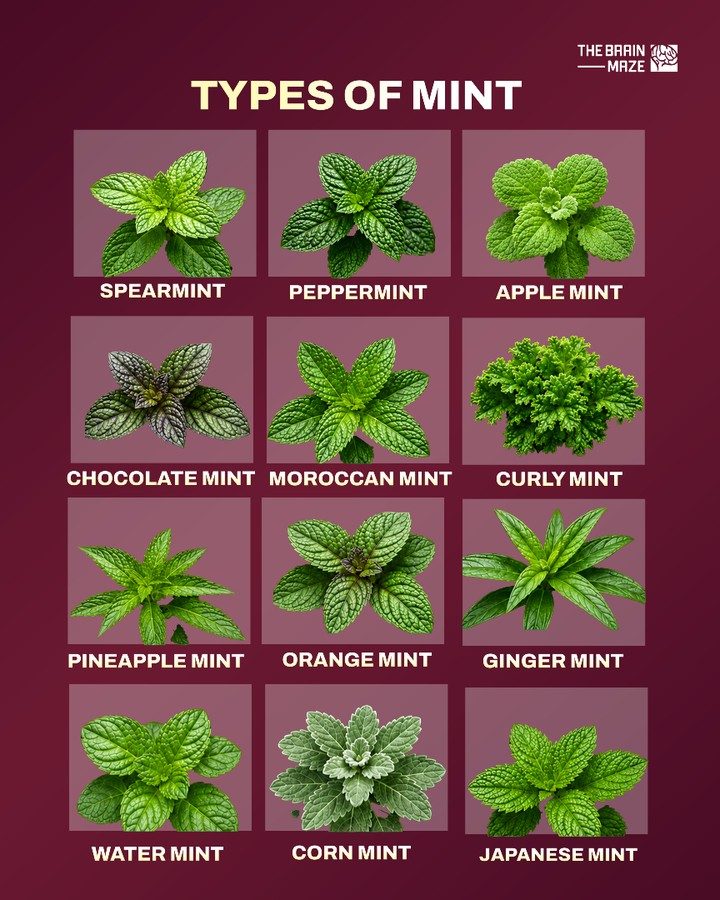
Spearmint and peppermint are two of the most popular and well-known varieties. Spearmint has a milder, slightly sweet flavor, while peppermint is more intense with a cool, refreshing taste. Both are commonly used in teas, candies, and cooking.
Spearmint is often used in Middle Eastern cuisine, adding a subtle freshness to dishes like tabbouleh and yogurt sauces. Peppermint, with its strong flavor, is a favorite in desserts, especially in the form of peppermint candy or as a flavor in chocolate.
Fruity and Sweet Varieties
For those who enjoy fruity or sweet notes, varieties like apple mint, chocolate mint, orange mint, and pineapple mint are excellent choices. These mints bring a unique twist to beverages and desserts.
- Apple Mint: This variety has a subtle apple flavor that pairs well with fruity salads and summer drinks.
- Chocolate Mint: With its rich, chocolatey undertones, this mint is a delightful addition to chocolate desserts and mint chocolate chip ice cream.
- Orange Mint: As the name suggests, this mint has a bright citrus flavor that can liven up iced teas and cocktails.
- Pineapple Mint: This mint has a tropical, pineapple-like flavor that adds a refreshing twist to summer salads and fruity drinks.
Unique Mint Varieties
Beyond the common and fruity varieties, there are several other mints that offer unique textures and flavors.
- Curly Mint: Known for its curly, twisted leaves, this mint is a decorative addition to gardens and adds a mild, refreshing flavor to dishes.
- Moroccan Mint: This variety is popular in Moroccan cuisine, where it is used to flavor teas and dishes. It has a sweet, slightly fruity flavor.
- Water Mint: Growing well in wet conditions, water mint has a strong, peppery flavor and is often used in culinary applications.
- Corn Mint: Also known as field mint, this variety has a strong, peppery flavor and is often used in traditional medicine and cooking.
- Ginger Mint: Combining the flavors of ginger and mint, this variety adds a zesty kick to drinks and recipes.
- Japanese Mint: This variety has a strong, peppery flavor and is often used in Japanese cuisine to flavor teas and dishes.
Practical Tips
- Gardening: If you're planning a mint garden, consider placing it in a pot to prevent it from taking over your garden. Mint is invasive and can quickly spread.
- Culinary Use: For freshest flavor, use mint leaves just before they flower. You can store them in the refrigerator for a short period, but for the best taste, use them as soon as possible.
- Infusions: Experiment with mint infusions in oils, vinegars, and butters to add a unique twist to your cooking. Mint-infused oil, for example, can be used to drizzle over salads or to marinate meats.
Important Takeaways
Mint is a versatile herb that can be used in a variety of ways. From adding flavors to beverages and dishes to enhancing your garden with its ornamental appeal, mint offers a range of benefits.
While spearmint and peppermint are the most commonly used varieties, exploring other types can add unique flavors and textural elements to your cooking and beverages. Whether you prefer fruity, sweet, or spicy flavors, there's a mint variety to suit your tastes.
Conclusion
Mint is a delightful herb that adds a refreshing touch to many dishes and beverages. With numerous varieties available, each offering unique flavors and uses, it's worth exploring the world of mint to discover new culinary possibilities. Whether you're a seasoned chef or a gardening enthusiast, understanding the different types of mint can enhance your culinary and gardening experiences.
Watch the Reel
Questions readers ask
What are the most common mint varieties and how do they differ?
The most common mint varieties are spearmint and peppermint. Spearmint has a milder, sweeter flavor and is often used in cooking and tea, while peppermint has a stronger, more intense flavor and menthol content, making it popular in candies and digestive aids.
What are some unique mint varieties and their uses?
Unique mint varieties include apple mint, which has a fruity, apple-like flavor and is great for teas and salads, and chocolate mint, which has a subtle chocolate aroma and pairs well with desserts and beverages. Additionally, there are ornamental mints, such as pineapple mint and ginger mint, which are valued for their distinctive flavors and attractive foliage.
How can I use mint in cooking and beverages?
Mint can be used to elevate dishes and drinks. For cooking, add fresh mint leaves to salads, sauces, and desserts. When it comes to beverages, use mint to create refreshing drinks, such as mint tea, mojitos, or infused waters. Always remember to use mint sparingly, as its flavor can be overpowering if not balanced.
What are the benefits of growing different mint varieties in my garden?
Growing different mint varieties can add a variety of flavors to your cooking and beverages. Additionally, mint is relatively easy to grow. It can also help repel certain pests and attract beneficial insects, making it a useful addition to your garden.
What are the key differences between spearmint and peppermint?
The key differences lie in their flavor and menthol content. Spearmint has a milder, sweeter taste and is virtually caffeine-free, while peppermint has a more intense, cooling menthol flavor, making it more suitable for strong teas and digestive remedies.
Which mint varieties are best for flavored drinks?
For flavored drinks, peppermint and spearmint are popular choices due to their refreshing flavors. Apple mint and chocolate mint can also add unique twists to teas and cocktails. Experiment with different combinations to find your favorite refreshing mint drink.
How can I incorporate mint into my garden for both aesthetic and practical purposes?
Consider planting ornamental mints, such as pineapple mint or curly mint, for their attractive foliage and unique scents. These varieties not only add visual interest but also serve as natural pest deterrents, helping to maintain a healthy garden ecosystem.
Related deep dives
Similar reads based on topic and creator.




Recent articles
Fresh deep dives from the latest Reels we unpacked.




Comments
Be the first to comment.