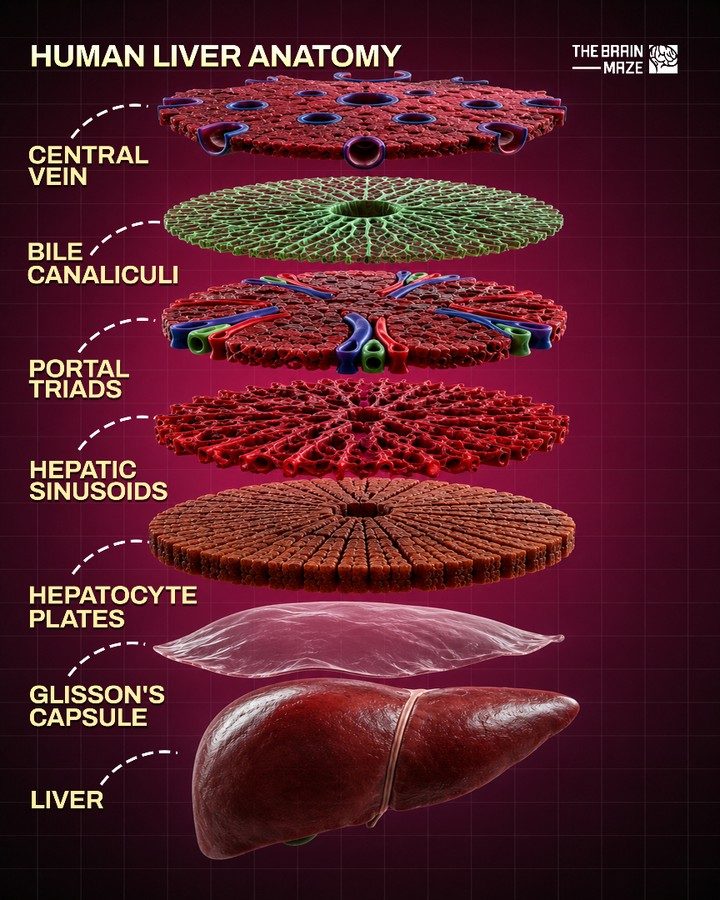
Human Liver Anatomy
The human liver is a remarkably complex organ, vital for numerous metabolic, detoxification, and nutrient processing functions. At the core of the liver's intricate structure is the hepatic lobule, where essential components like hepatocyte plates, sinusoids, portal triads, bile canaliculi, and central veins facilitate countless biochemical processes. Understanding the liver’s anatomy provides insights into its crucial role in maintaining life.
Why This Matters
The liver plays a central role in the body's overall health, making it essential to understand its structure and function. The organ's complexity means that even small issues can have significant consequences for the body. By grasping the basic anatomy of the liver, one can better appreciate its importance in processes such as blood filtering, bile production, and nutrient storage.
Anatomy of the Liver
The Hepatic Lobule
The hepatic lobule is the fundamental structural and functional unit of the liver. It consists of several key components:
-
Hepatocyte Plates: These are sheets of liver cells (hepatocytes) that perform the primary functions of the liver, including protein synthesis and the metabolism of carbohydrates, fats, and proteins.
-
Sinusoids: These are blood-filled spaces lined with endothelial cells and Kupffer cells. Sinusoids allow blood to flow through the liver, where oxygen, nutrients, and waste products are exchanged.
-
Portal Triads: Each portal triad includes a branch of the hepatic artery, a branch of the portal vein, and a bile duct. They supply blood to the liver cells and facilitate the drainage of waste.
-
Bile Canaliculi: These are tiny channels between hepatocytes that transport bile from the liver cells to the bile duct. Bile is essential for fat digestion and the absorption of vitamins.
-
Central Vein: This vein is located at the center of each lobule and collects blood from the sinusoids, carrying it back to the heart via the hepatic veins.
By working in harmony, these structures ensure the liver functions efficiently, contributing to overall health.
The Layers of the Liver
The liver is composed of multiple layers, each with its specific structures and functions:
-
Glisson’s Capsule: This is a thin, fibrous membrane that covers the liver's surface. It anchors the liver to the diaphragm and other structures, providing protection and stability.
-
Lobules: The liver consists of thousands of lobules, each an independent functional unit. Lobules are organized in a hexagonal pattern, with a central vein at the center and portal triads at each corner.
Visual Overview
The 3D model from The Brain Maze provides a detailed visual guide to the liver's internal organization. The layered model highlights the central vein, bile canaliculi, portal triads, hepatic sinusoids, hepatocyte plates, and Glisson's capsule. By visualizing these components, one can better understand their arrangement and their roles within the hepatic lobule.
Main Functions of the Liver
Metabolism
The liver is crucial in breaking down and synthesizing essential compounds, including proteins, carbohydrates, and fats. It converts excess glucose into glycogen for storage and releases it when energy levels are low. Additionally, the liver breaks down fats into fatty acids and ketones, which can be used as energy sources by the body.
Detoxification
The liver filters toxins, drugs, and other harmful substances from the blood. Hepatocytes break down these substances into less harmful compounds, which are then excreted through the bile or urine.
Blood Filtration
The liver filters blood, removing waste products and foreign substances. Kupffer cells, located in the sinusoids, play a crucial role in this process by engulfing and destroying bacteria, damaged cells, and other foreign particles.
Nutrient Processing
The liver stores and releases essential nutrients, such as vitamins A, B, and D, and minerals like iron and copper. It also synthesizes plasma proteins, including albumin, which helps maintain blood volume and osmotic pressure.
Bile Production
Bile is produced by hepatocytes and stored in the gallbladder. It aids in the digestion of fats by emulsifying them, allowing for more efficient absorption of fat-soluble vitamins and lipids.
Practical Tips for Liver Health
Maintaining a healthy liver is essential for overall well-being. Here are some practical tips:
-
Balanced Diet: Consume a diet rich in fruits, vegetables, whole grains, lean proteins, and healthy fats. Avoid processed foods, high in sugars and unhealthy fats.
-
Hydration: Drink plenty of water to help the liver flush out toxins and maintain optimal function.
-
Limit Alcohol: Excessive alcohol consumption can damage liver cells and lead to liver disease. Limit alcohol intake to moderate levels.
-
Avoid Toxins: Limit exposure to environmental toxins, such as pesticides and chemicals, and avoid medications that can be harmful to the liver.
-
Regular Exercise: Engage in regular physical activity to support overall health and liver function.
Important Takeaways
Understanding the liver’s anatomy and functions is crucial for appreciating its role in maintaining overall health. Key points to remember:
- The liver's complex structure, with its hepatic lobules and key components, facilitates numerous biochemical processes.
- The liver's functions, including metabolism, detoxification, and nutrient processing, are essential for overall well-being.
- Maintaining a healthy lifestyle, including a balanced diet, hydration, limited alcohol consumption, avoidance of toxins, and regular exercise, supports liver health.
Conclusion
The liver's intricate anatomy and crucial functions underscore its importance in the body. By understanding its structure and the roles of its components, we can better appreciate how it contributes to overall health. Maintaining liver health through a balanced lifestyle is essential for ensuring this vital organ continues to function optimally.
Watch the Reel
Questions readers ask
What are hepatocyte plates and why are they important in liver anatomy?
Hepatocyte plates are sheets of hepatocytes, or liver cells, arranged in cords. These plates are crucial in liver anatomy as they are involved in various metabolic processes, including protein synthesis, carbohydrate metabolism, and the breakdown of toxins. They also play a key role in the excretion of bile, which aids in digestion and the elimination of waste products.
Could you describe the role of sinusoids in the liver's structure and function?
Liver sinusoids are unique blood vessels filled with blood from the hepatic portal vein and hepatic artery. They are lined with endothelial cells and Kupffer cells, which help in the detoxification process by filtering and removing waste products and toxins from the blood. Sinusoids facilitate the exchange of nutrients and waste between the blood and the hepatocytes, making them essential for the liver's overall function.
What is a hepatic portal triad and what does it consist of?
A hepatic portal triad is a structure found within the liver lobules, consisting of three main elements: a branch of the hepatic artery, a branch of the hepatic portal vein, and a bile duct. These components work together to supply oxygen and nutrients to the liver, drain blood from the intestines, and transport bile produced by the liver to the gallbladder for storage or directly to the intestine for digestion.
What is the significance of bile canaliculi in the liver's cellular structure?
Bile canaliculi are tiny channels formed by the junction of two adjacent hepatocytes. They are significant in the liver's cellular structure as they facilitate the drainage of bile from hepatocytes into bile ducts. Bile plays a crucial role in digesting fats and eliminating waste products, such as bilirubin, from the body. Thus, bile canaliculi are essential for maintaining overall liver function and health.
How do central veins contribute to the liver's intricate structure?
Central veins are located at the center of each hepatic lobule, collecting blood from the sinusoids and directing it towards the hepatic veins. This drainage system ensures that deoxygenated blood is efficiently removed from the liver and transported to the heart for reoxygenation and circulation. The central vein's role in maintaining the structural integrity and efficient functioning of the liver’s drainage system is vital.
What is the function of Glisson's capsule in the context of the liver?
Glisson's capsule is a fibrous coating that surrounds the liver, providing structural support and protection. It helps to maintain the liver's shape and integrity, while also providing a pathway for blood vessels and nerves that enter the liver. This capsule plays a role in anchoring the liver in place within the body, ensuring its proper positioning and function.
How do the hepatic veins contribute to the liver's overall function?
Hepatic veins are part of the liver's venous system, draining deoxygenated blood from the liver back to the heart. This system is crucial for maintaining the liver’s role in nutrient processing, detoxification, and metabolic functions. By efficiently removing blood from the liver, hepatic veins help to sustain the organ's overall health and functionality.
Related deep dives
Similar reads based on topic and creator.




Recent articles
Fresh deep dives from the latest Reels we unpacked.




Comments
Be the first to comment.