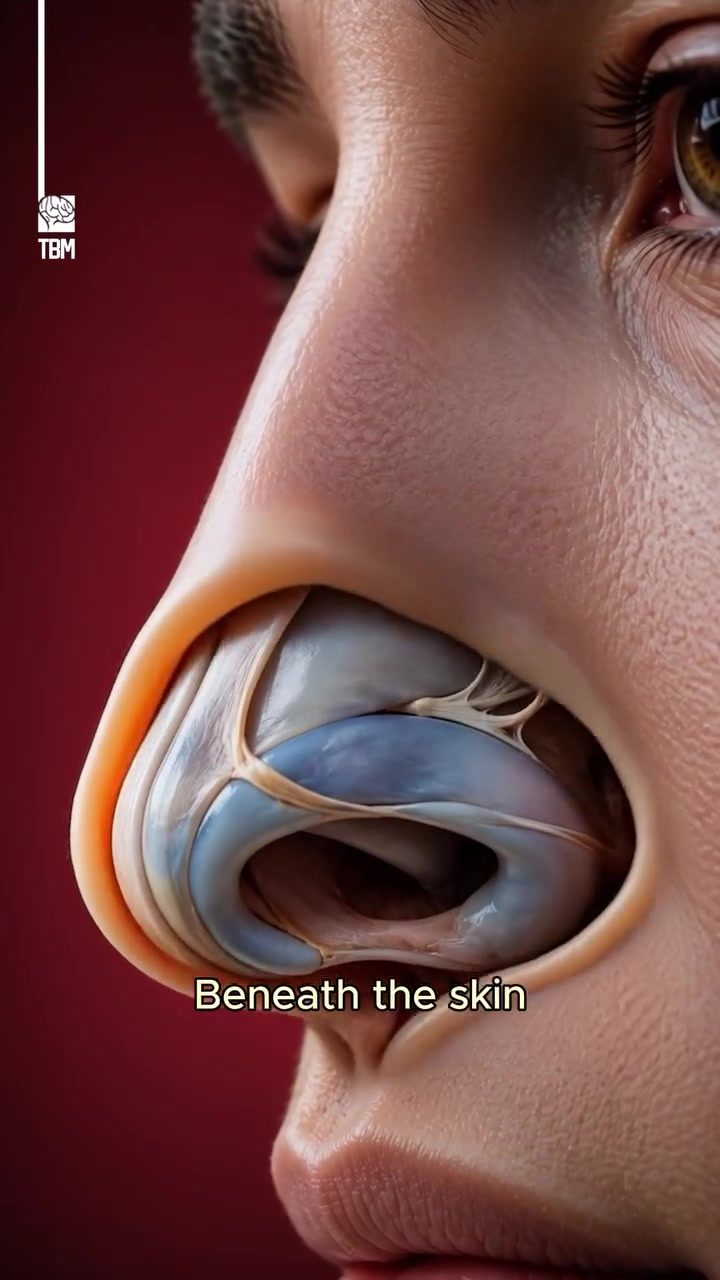
The human nose is a marvel of engineering, both in its appearance and its functionality. Ever wondered what gives your nose its distinctive shape and allows it to move during breathing and facial expressions? The answer lies beneath the skin, in a complex framework of bones, cartilage, and muscles.
Why This Matters
Understanding the anatomy of the nose is not just about satisfying curiosity. For medical professionals, this knowledge is crucial for performing surgeries, diagnosing conditions, and treating injuries. For the rest of us, it's fascinating to learn about the intricate structures that make up one of the most recognizable features of the human face.
The Structural Framework
Bones: The Foundation
The upper portion of the nose is formed by a pair of nasal bones. These bones create the firm bridge of the nose and provide essential structural support. They are connected to flexible upper lateral cartilages, which help maintain the shape of the nasal sidewalls. This connection is vital for the nose's overall structure and stability.
Cartilage: Flexibility and Shape
Cartilage plays a significant role in the nose's flexibility and shape. The upper lateral cartilages connect to the nasal bones, while the lower lateral cartilages form the tip of the nose and the nostrils. These cartilages allow the nose to bend and flex during breathing, speaking, and facial expressions while preserving its shape.
The nasal septum, located at the center of the nose, is made of both cartilage and bone. It divides the nose into two halves and supports the bridge, providing additional structural integrity.
Muscles: Controlling Movement
Small facial muscles control subtle movements of the nostrils and the tip of the nose. These muscles are essential for various functions, including breathing, sniffing, and facial expressions. They work in conjunction with the bones and cartilages to create a stable yet flexible structure that protects the nasal cavity while allowing natural movement.
Together, these bones, cartilages, and muscles create a robust yet adaptable framework that supports the nose's functions and appearance.
Practical Tips
For Medical Professionals
Medical professionals can use this anatomical knowledge to perform precise treatments and surgeries. For example, understanding the structure of the nasal bones and cartilages can help surgeons perform rhinoplasty (nose reshaping) with better accuracy and results.
For Everyday Life
While you might not need to perform nasal surgery, knowing your nose's anatomy can be beneficial in other ways. For instance, if you experience a nasal injury, understanding the structure can help you recognize when to seek medical attention. Additionally, recognizing the importance of maintaining nasal health can encourage better self-care practices, such as regular nasal rinses and avoiding irritants that can affect nasal function.
Important Takeaways
- Bones and Cartilage: The nasal bones and cartilages provide the nose's structure and allow for flexibility.
- Muscles: Small facial muscles control subtle movements essential for breathing and facial expressions.
- Septum: The nasal septum divides the nose into two halves and supports the bridge, ensuring structural integrity.
Conclusion
The anatomy of the human nose is a fascinating blend of stability and flexibility. The interplay between bones, cartilages, and muscles creates a structure that supports both the nose's appearance and its essential functions. Whether you're a medical professional or simply curious about the human body, understanding the intricacies of the nose can offer valuable insights and practical knowledge.
Watch the Reel
Questions readers ask
What are the primary components of the human nose's structural framework?
The human nose's structure consists of bones, cartilage, and muscles. The bones, specifically the nasal bones, form the upper portion. Beneath the skin, cartilage and muscles provide shape, support, and mobility, allowing the nose to function during breathing and facial expressions.
How do the nasal bones contribute to the nose's overall structure?
The nasal bones are located in the upper part of the nose and provide a solid foundation. They are crucial for the nose's shape and for supporting the other structures, including the cartilage and muscles that allow the nose to move and function properly.
What role do the lateral cartilages play in the nose's structure and function?
The lateral cartilages are flexible structures that give the nose its distinctive shape. They also contribute to the nasal cavity's openness, facilitating smooth nasal breathing and supporting facial expressions.
Why is understanding nasal cartilage important for medical professionals?
Knowing the structure and function of nasal cartilage is vital for medical professionals, especially those performing surgeries. It helps them navigate the complex framework, avoid complications, and achieve desired outcomes, whether for cosmetic or functional improvements.
What is the significance of the nasal expression muscles in the nose's functionality?
The nasal expression muscles enable various facial movements and expressions. These muscles, such as the procerus and the levator labii superioris alaeque nasi, allow the nose to function dynamically, playing a role in both emotion and breathing.
How do the different structural components of the nose work together during breathing?
During breathing, the nasal bones provide a stable structure, while the cartilage and muscles work in tandem to maintain the nasal passages' openness. This interplay supports the smooth flow of air, ensuring efficient nasal breathing.
What is the significance of the nasal skin in the overall structure of the nose?
The nasal skin covers the underlying framework, including the bones, cartilage, and muscles. It plays a crucial role in protecting these structures, maintaining the nose's shape, and allowing for mobility during facial expressions and breathing.
Related deep dives
Similar reads based on topic and creator.


Recent articles
Fresh deep dives from the latest Reels we unpacked.




Comments
Be the first to comment.