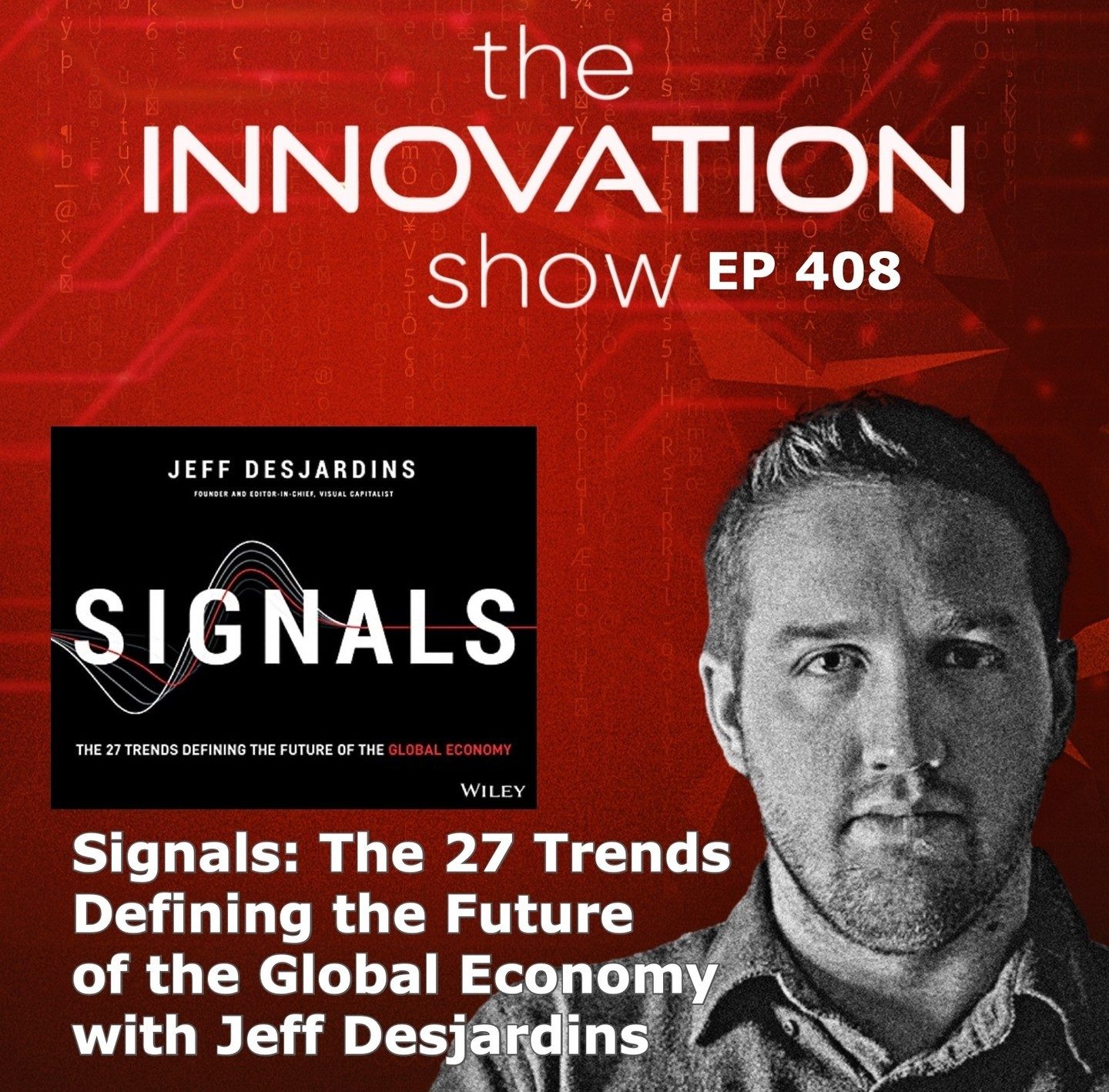
Book Promotion
Jeff Desjardins' latest book, Signals: The 27 Trends Defining the Future of the Global Economy, delves into the critical trends shaping the world's economic landscape. Published by Wiley, this book is a comprehensive guide to understanding the forces that will drive economic growth and change in the coming years. Desjardins, the founder and editor-in-chief of Visual Capitalist, brings his expertise in data visualization and economic analysis to create a compelling narrative about the future of the global economy.
Context
Why this Matters
Understanding the trends that will shape the global economy is crucial for businesses, investors, and policymakers. These trends can offer insights into emerging markets, technological advancements, and shifting consumer behaviors. Desjardins’ book Signals stands out for its detailed analysis and clear presentation of complex economic data, making it a valuable resource for anyone looking to stay ahead in an ever-changing world.
The trends discussed in Signals include a broad range of topics, from data moats to carbon emissions. These topics are essential for understanding the current economic environment and predicting future developments. The book provides a thorough examination of these trends, backed by infographics that make the data more accessible and easier to understand.
Main Discussion
Data Moats
Data moats, a concept coined by Jeff Desjardins, refer to the strategic use of data to create a competitive advantage. Companies that effectively manage and utilize data can build defenses around their market positions, making it harder for competitors to catch up. This trend is particularly important in industries driven by technological innovation, such as software, e-commerce, and digital marketing. Companies that can leverage data to enhance their products, services, and customer experiences are more likely to thrive in the future.
Carbon Emissions
Carbon emissions are another critical trend shaping the global economy. As the world becomes more aware of the environmental impact of human activities, there is a growing push towards sustainability and renewable energy sources. Businesses and governments are increasingly focusing on reducing carbon footprints and transitioning to greener economies. This shift presents both challenges and opportunities, as new technologies and practices are developed to address climate change.
Technological Advancements
Technological advancements, particularly in artificial intelligence (AI) and machine learning, are transforming multiple industries. These technologies are enabling automation, improving efficiency, and creating new business models. For instance, AI-driven analytics can help companies make more informed decisions, while machine learning algorithms can enhance predictive capabilities. The integration of these technologies into various sectors is accelerating, and businesses that can adapt and innovate will have a competitive edge.
Economic Inequality
Economic inequality is a persistent issue that continues to shape the global economy. The widening gap between the rich and the poor has significant implications for social stability, economic growth, and political dynamics. Addressing economic inequality requires a multifaceted approach that includes fair policies, inclusive economic growth, and social welfare programs. Companies and governments must work together to create a more equitable economic landscape.
Practical Tips
Staying Informed
Keeping up with the latest economic trends is essential for staying competitive in the global market. Following economic reports, attending industry conferences, and reading publications like Signals can provide valuable insights into the trends shaping the economy. Engaging with experts and thought leaders in the field can also offer new perspectives and ideas.
Leveraging Data
Companies should invest in data management and analytics to build competitive advantages. By leveraging data, businesses can gain insights into consumer behavior, market trends, and operational efficiencies. Implementing data-driven decision-making processes can lead to better outcomes and long-term success.
Embracing Sustainability
Embracing sustainability is not just an ethical choice but a strategic one. Companies that prioritize sustainability are more likely to attract environmentally conscious consumers and investors. Implementing green practices can also lead to cost savings and improved operational efficiencies. By adopting sustainable practices, businesses can contribute to a greener future while enhancing their market position.
Embracing Technological Innovations
Adopting new technologies can help businesses stay ahead of the competition. Investing in AI, machine learning, and other emerging technologies can improve operational efficiency, enhance customer experiences, and create new business opportunities. By staying at the forefront of technological advancements, companies can position themselves for long-term growth and success.
Important Takeaways
Signals: The 27 Trends Defining the Future of the Global Economy offers a comprehensive analysis of the key trends that will shape the global economy. Here are some of the important takeaways:
- Data moats are becoming increasingly important as companies leverage data to gain a competitive edge.
- Carbon emissions and sustainability are central to the future of the global economy, driving innovation in green technologies and practices.
- Technological advancements, particularly in AI and machine learning, are transforming industries and creating new opportunities.
- Economic inequality remains a significant issue, requiring collaborative efforts from businesses and governments to address effectively.
- Staying informed, leveraging data, embracing sustainability, and adopting new technologies are practical steps businesses can take to navigate the future economic landscape.
Conclusion
Jeff Desjardins' Signals: The 27 Trends Defining the Future of the Global Economy provides a detailed and insightful look at the trends shaping the global economy. By understanding and adapting to these trends, businesses, investors, and policymakers can position themselves for success in an ever-changing world. The book's clear and accessible presentation of complex economic data makes it a valuable resource for anyone looking to stay ahead in the global economy. Whether you're a business leader, investor, or simply curious about the future, Signals offers a wealth of information and insights to help you navigate the challenges and opportunities of the global economy.
Watch the Reel
Questions readers ask
What inspired Jeff Desjardins to write 'Signals: The 27 Trends Defining the Future of the Global Economy'?
Jeff Desjardins, as the founder of Visual Capitalist, has a strong background in data visualization and economic analysis. His inspiration for the book came from a desire to simplify and communicate complex global economic trends in an accessible way, helping readers navigate the rapidly changing economic landscape.
Why are the 27 trends in the book important for understanding the future of the global economy?
The 27 trends highlighted in the book are crucial as they provide a comprehensive overview of the forces driving economic growth and changes. By understanding these trends, readers can gain insights into emerging markets, technological advancements, and shifting consumer behaviors, which are essential for informed decision-making.
How does 'Signals' differ from other books on the global economy?
'Signals' stands out due to its focus on data-driven insights and clear, engaging visualizations. Desjardins' expertise in data visualization makes complex economic trends accessible. The book covers a wide range of topics, from data strategy to carbon emissions, offering a holistic view of the global economic landscape.
What is the significance of data strategy in the context of the global economy?
Data strategy is pivotal as it enables businesses and governments to make informed decisions. By leveraging data effectively, organizations can identify opportunities, mitigate risks, and optimize their operations. This trend is particularly relevant in an era where data is a valuable commodity.
What are the implications of carbon emissions trends for the global economy?
Carbon emissions trends are critical because they influence policy, investment, and consumer behavior. Countries and businesses are increasingly under pressure to reduce their carbon footprint, leading to investments in renewable energy and sustainable practices. This shift can drive innovation and create new economic opportunities.
Who can benefit from reading 'Signals: The 27 Trends Defining the Future of the Global Economy'?
The book is a valuable resource for a wide range of readers, including business leaders, investors, policymakers, and anyone interested in the future of the global economy. It provides actionable insights and a forward-looking perspective, helping readers stay ahead of the curve in a rapidly changing economic environment.
Recent articles
Fresh deep dives from the latest Reels we unpacked.




Comments
Be the first to comment.