Exercise and Tumor Reduction
Physical activity has long been recognized as a critical component of overall health. Recent research has shed light on an astonishing benefit of regular exercise: its potential to reduce tumor size. This effect is not merely a result of direct attack on cancer cells, but rather a byproduct of changes in how the body uses energy.
Why This Matters
Understanding the metabolic shifts that occur during exercise can offer new insights into cancer prevention and treatment. By altering how the body processes glucose, exercise may create a less favorable environment for tumor growth. This information is particularly relevant for individuals looking to integrate exercise into their health routines, as well as for healthcare professionals aiming to support their patients through lifestyle interventions.
Understanding the Mechanism
Voluntary Exercise and Glucose Uptake
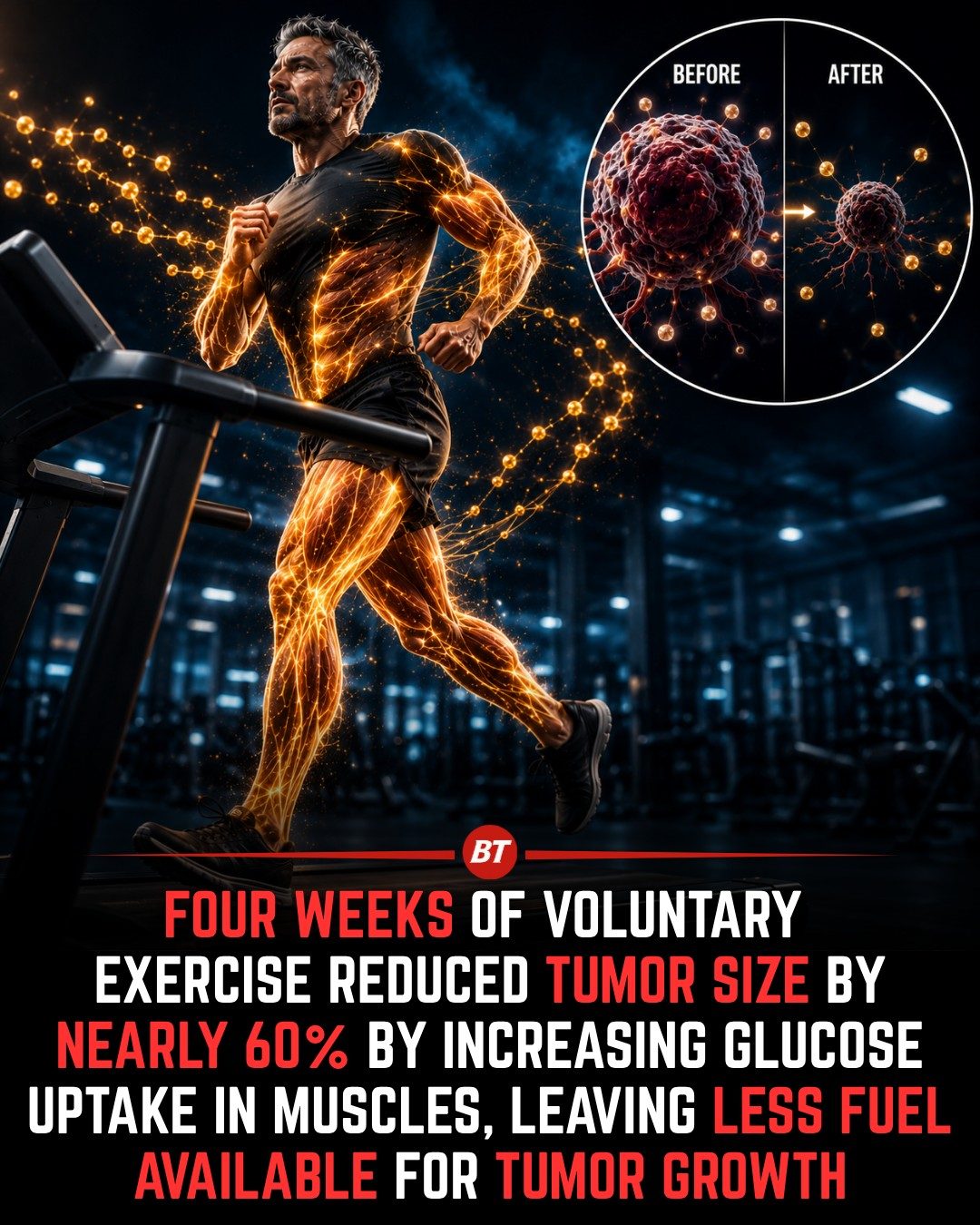
Recent findings published in the Proceedings of the National Academy of Sciences (PNAS) reveal that just four weeks of voluntary exercise can reduce tumor size by nearly 60%. This remarkable outcome is tied to the body's increased glucose uptake in muscles. During exercise, skeletal muscles and the heart absorb significantly more glucose, the body's primary fuel source. As muscles use more of this energy, less glucose is available for tumors, making it harder for cancer cells to sustain their rapid growth. This metabolic shift has been observed across various tumor models, suggesting that the effects of exercise may have broad anti-tumor potential.
Exercise-Responsive Genes
The researchers identified 417 exercise-responsive genes involved in energy metabolism. This discovery underscores the profound impact of physical activity on the body's metabolic processes. By altering the expression of these genes, exercise can create an environment that is less conducive to tumor growth. This metabolic reprogramming offers a potential complement to existing cancer treatments, enhancing their effectiveness.
The mTOR Pathway
Exercise also reduces activity in the mTOR pathway, one of the body's major regulators of cell growth. The mTOR pathway is frequently overactive in many cancers, driving uncontrolled cell proliferation. By modulating this pathway, exercise may help mitigate the aggressive nature of certain tumors, providing a more nuanced approach to cancer management.
Practical Tips for Incorporating Exercise
Aim for Moderate Exercise
To reap the benefits of exercise on metabolism and potential tumor reduction, aim for at least 150 minutes of moderate exercise each week. Activities such as brisk walking, cycling, or swimming are excellent choices. These forms of exercise not only improve cardiovascular health and muscle strength but also enhance overall metabolic function.
Strength Training
In addition to aerobic exercise, incorporate 2–3 strength-training sessions into your weekly routine. Strength training helps build muscle mass, which in turn increases the body's glucose uptake capacity. This additional muscle mass can further support a metabolic environment that is less favorable for tumor growth.
Consistency is Key
Consistency is crucial when it comes to exercise and its metabolic benefits. Make physical activity a regular part of your lifestyle, rather than a sporadic endeavor. By maintaining a consistent exercise routine, you can sustain the positive metabolic changes that support overall health and potentially reduce the risk of cancer.
Important Takeaways
- Regular exercise can reduce tumor size by altering how the body uses glucose.
- Increased glucose uptake in muscles leaves less fuel available for tumor growth.
- Exercise impacts 417 exercise-responsive genes involved in energy metabolism.
- Exercise reduces activity in the mTOR pathway, a major regulator of cell growth.
- Aim for 150 minutes of moderate exercise and 2–3 strength-training sessions per week.
- Consistency in exercise is key to maintaining metabolic benefits.
Conclusion
The connection between exercise and tumor reduction highlights the multifaceted benefits of physical activity. By understanding how exercise alters metabolic processes, we can better integrate it into our health routines. Whether it's through aerobic activities or strength training, regular exercise offers a powerful tool for supporting overall health and potentially reducing the risk of cancer. In the quest for a healthier future, incorporating exercise into our daily lives could be one of the most impactful decisions we make.
Watch the Reel
Questions readers ask
How does exercise influence tumor growth and size?
Exercise can reduce tumor size by altering the body's energy metabolism, particularly how it processes glucose. This metabolic shift creates a less hospitable environment for tumor growth, potentially slowing or reducing tumor size.
What is the recommended exercise plan for cancer prevention and recovery?
While specific plans may vary, a four-week exercise program has been shown to have benefits. Include a mix of aerobic and resistance exercises to maximize the impact on glucose metabolism and overall health.
How does physical activity affect glucose processing in the body?
Regular physical activity improves the body's insulin sensitivity and glucose uptake, leading to more efficient energy use. This metabolic change creates a less favorable environment for cancer cells, which thrive on glucose.
Can exercise play a role in cancer recovery?
Yes, exercise can support cancer recovery by enhancing overall health and improving energy use in the body. It helps patients manage fatigue and reduce the risk of recurrence by maintaining a healthier metabolic state.
What are the benefits of voluntary exercise for cancer patients?
Voluntary exercise can help cancer patients improve their muscle energy and overall body metabolism. Regular exercise can lead to a reduction in tumor size and the creation of a less favorable environment for tumor growth.
How does muscle energy impact cancer and tumor growth?
Engaging in physical activities that build muscle energy can help reduce the risk of cancer and slow tumor growth. Enhanced muscle energy improves the body's metabolism, creating a less favorable environment for cancer cells to thrive.
Related deep dives
Similar reads based on topic and creator.




Recent articles
Fresh deep dives from the latest Reels we unpacked.




Comments
Be the first to comment.