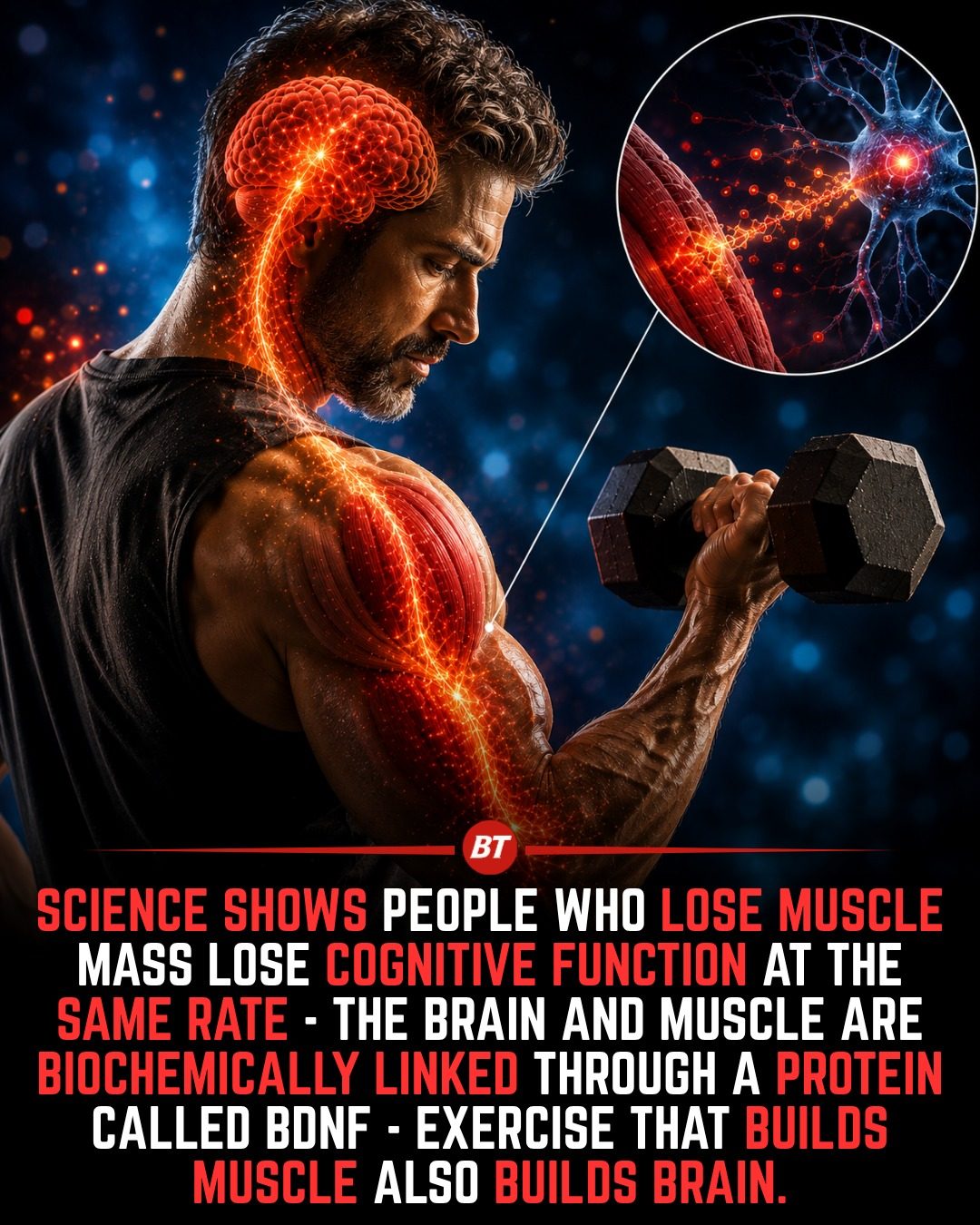
Muscle and Brain Health
Muscle health and brain health are intricately linked, with scientific research consistently showing that maintaining muscle mass can benefit cognitive function and memory. This connection is particularly important as we age, when it is common to experience a loss of both muscle and brain volume. Understanding this biological link can provide valuable insights into how exercise, particularly resistance training, can support overall health and well-being.
Why this matters
As we age, it is not uncommon to lose both muscle mass and brain volume. Researchers have discovered that these changes often occur simultaneously, leading to a deeper investigation into the biological connection between muscles and the brain. This connection is crucial because it highlights the importance of maintaining muscle health not just for physical strength, but also for cognitive well-being. Resistance training and regular physical activity have been shown to increase the production of beneficial proteins and hormones that support both muscle growth and brain health.
The Science Behind Muscle and Brain Connection
The Role of BDNF
One of the most important molecules involved in the connection between muscle and brain health is brain-derived neurotrophic factor (BDNF). Often referred to as "fertilizer for the brain," BDNF plays a critical role in supporting the growth of new neural connections involved in learning and memory. Resistance training and other forms of regular physical activity have been shown to increase BDNF production, thereby promoting better cognitive function and a lower risk of memory decline.
Signaling Molecules and Hormones
Muscles and the brain communicate through various hormones, proteins, and signaling molecules. These molecules influence how both tissues function and adapt over time. Working muscles release beneficial signaling proteins known as myokines, which help reduce inflammation, improve blood flow, and support healthy communication between muscles and the brain. These myokines, along with other beneficial molecules, contribute to overall health and well-being.
Research Findings
Studies published in journals such as Neurology, Nature Reviews Neuroscience, and Nutrients have consistently shown that low muscle mass and reduced muscle strength are associated with faster cognitive decline and a greater risk of dementia in older adults. Conversely, regular strength training has been found to improve memory, executive function, and overall brain health. These benefits are believed to arise from a combination of increased BDNF, improved circulation, healthier metabolism, and the release of muscle-derived signaling molecules that nourish the brain.
The Benefits of Resistance Training
Increased BDNF Production
Resistance training, such as weightlifting, is an effective way to increase BDNF production, which in turn supports cognitive health. By engaging in regular resistance training, you can help promote the growth of new neural connections, enhancing learning and memory capabilities.
Improved Circulation and Metabolism
Engaging in regular resistance training also improves circulation and metabolism. Better blood flow to the brain ensures that it receives the necessary nutrients and oxygen, while a healthier metabolism supports overall brain function. These benefits contribute to better cognitive performance and a reduced risk of age-related cognitive decline.
Reduced Inflammation
Resistance training helps reduce inflammation in the body, which is beneficial for both muscle and brain health. By lowering inflammation levels, you can support the health of both tissues, leading to better overall well-being and a reduced risk of chronic diseases.
Practical Tips
To reap the benefits of resistance training, consider the following practical tips:
Incorporate Strength Training
Aim to include strength training at least 2-3 times per week, focusing on major muscle groups. This will help maintain muscle mass and promote cognitive health. Ensure that your workout routine includes exercises that target different muscle groups, such as squats, lunges, push-ups, and dumbbell exercises.
Consistency is Key
Regular physical activity is essential for maintaining both muscle and brain health. Make strength training a consistent part of your routine, and you will see improvements in both your physical strength and cognitive function.
Vary Your Workouts
To keep your workouts engaging and effective, vary your exercises and routines. This will help prevent boredom and ensure that you are targeting different muscle groups, promoting overall muscle and brain health.
Important Takeaways
The connection between muscle and brain health is a powerful one, with resistance training playing a crucial role in supporting both. By understanding the biochemistry behind this link, you can make informed decisions about your fitness routine and overall health. Regular strength training not only helps you stay physically strong but also serves as an investment in your brain's health. This investment can lead to better cognitive function, a lower risk of memory decline, and improved overall well-being.
Conclusion
Muscle and brain health are closely intertwined, with resistance training being a key factor in supporting both. By incorporating strength training into your routine, you can increase BDNF production, improve circulation and metabolism, and reduce inflammation. These benefits contribute to better cognitive function, a lower risk of memory decline, and improved overall health. Prioritize your muscle health, and you will be making a valuable investment in your brain's well-being.
Watch the Reel
Questions readers ask
How does resistance training improve cognitive function?
Resistance training stimulates the release of proteins and hormones, such as Brain-Derived Neurotrophic Factor (BDNF), which promote neural growth and enhance cognitive function. This form of exercise also increases blood flow to the brain, delivering more oxygen and nutrients to support brain health.
Why is muscle mass important for brain health?
Maintaining muscle mass is crucial for brain health because muscle and brain volume often decrease simultaneously as we age. By preserving muscle mass through resistance training, you can support cognitive function and memory, and reduce the risk of memory loss.
What are the benefits of exercise for the aging brain?
Exercise, particularly resistance training, offers numerous benefits for the aging brain. It can improve memory, enhance cognitive function, and boost production of BDNF. Regular exercise also helps reduce the risk of age-related memory decline and supports overall brain health.
How does exercise enhance memory?
Exercise enhances memory by promoting the release of beneficial proteins and hormones, such as BDNF, which support neural growth and improve memory retention. Regular physical activity also increases blood flow to the brain, which aids in delivering oxygen and nutrients that support memory processing.
Can exercise help prevent memory loss?
Yes, regular exercise, especially resistance training, can help prevent memory loss by supporting cognitive function and promoting the production of BDNF. These benefits are particularly notable as we age, making exercise an essential component of a proactive approach to maintaining mental acuity.
What role does BDNF play in the benefits of exercise for the brain?
BDNF, or Brain-Derived Neurotrophic Factor, is a protein that supports the growth and survival of neurons in the brain. Exercise, particularly resistance training, stimulates the release of BDNF, which in turn enhances cognitive function, improves memory, and supports overall brain health.
How does muscle-building exercise support brain health?
Muscle-building, or resistance training, supports brain health by promoting the release of beneficial proteins and hormones, like BDNF, which support neural growth and improve cognitive function. Additionally, resistance training increases blood flow to the brain, delivering essential nutrients and oxygen to support memory and overall brain function.
Related deep dives
Similar reads based on topic and creator.




Recent articles
Fresh deep dives from the latest Reels we unpacked.




Comments
Be the first to comment.