Salt and Blood Pressure
The Impact of Sodium on Cardiovascular Health
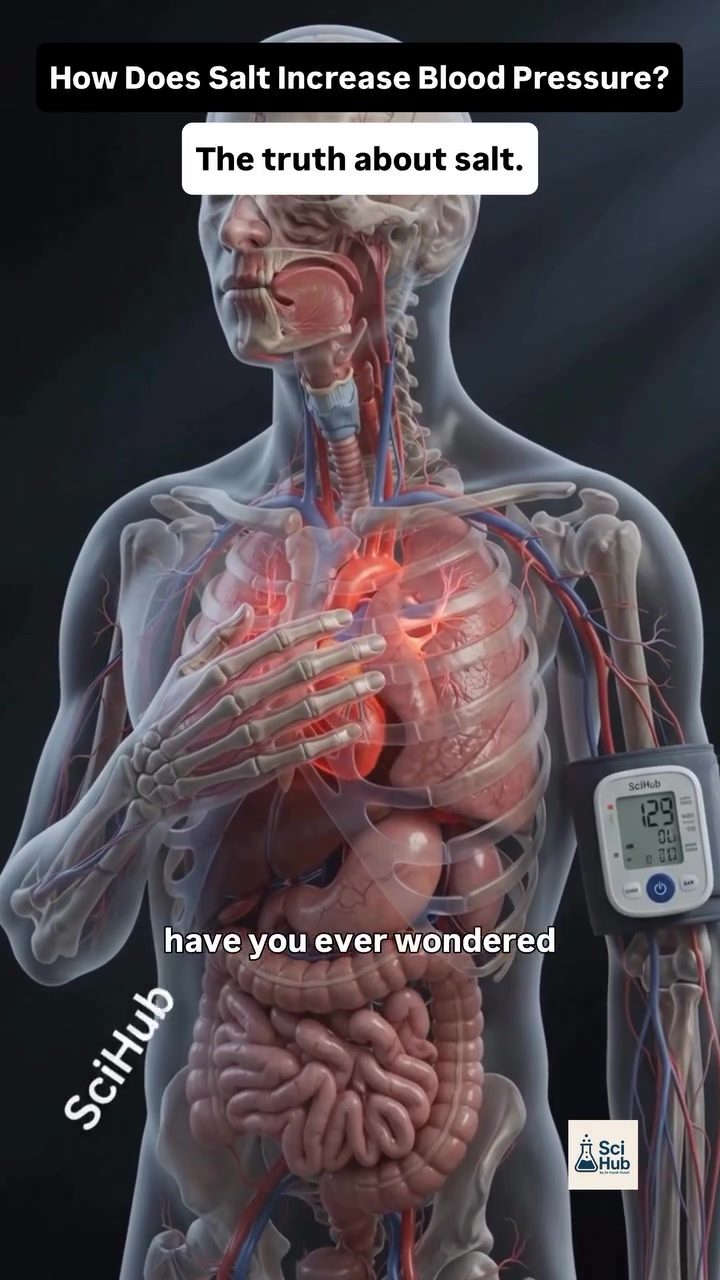
Eating too much salt can increase your blood pressure, but the process isn't instantaneous. Over time, excess sodium causes your body to retain more water. This increases the amount of blood circulating through your blood vessels, forcing your heart to work harder and raising blood pressure.
Understanding the relationship between salt and blood pressure is crucial for maintaining cardiovascular health. Persistent high blood pressure can increase the risk of heart disease, stroke, and kidney damage. Reducing salt intake is one simple step that can help support long-term heart health.
Understanding the Process
The journey of sodium through your body begins the moment you consume salty food. After leaving the stomach, the salty food enters your small intestine. Sodium is absorbed through the intestine into tiny blood vessels, where its journey through your bloodstream begins. The extra sodium reaches your kidneys, causing your body to retain more water.
The Role of Water Retention
As more water returns to your bloodstream, the volume of blood circulating through your body gradually increases. This increased volume means your heart has to pump a larger volume of blood with every beat. Moving more blood through the same arteries gradually increases blood pressure. Over time, this can lead to hypertension, or high blood pressure.
Long-Term Effects of Excessive Salt Intake
Eating salty foods occasionally is usually fine, but consuming too much salt over time can have serious health implications. Chronic high blood pressure can damage the arteries, leading to a higher risk of heart disease, stroke, and kidney damage. It's essential to be mindful of your salt intake and understand how it affects your body.
Practical Tips for Reducing Salt Intake
Read Food Labels
Many processed foods are high in sodium. Reading food labels can help you make informed decisions about what you eat. Look for foods with lower sodium content and opt for fresh, whole foods whenever possible.
Cook at Home
Cooking at home allows you to control the amount of salt in your meals. Experiment with herbs and spices to add flavor to your dishes without relying on salt.
Limit Processed Foods
Processed foods, such as canned soups, frozen dinners, and fast food, are often high in sodium. Limiting your intake of these foods can help you reduce your overall sodium consumption.
Choose Low-Sodium Alternatives
When shopping, choose low-sodium or no-salt-added versions of your favorite foods. This can significantly reduce your daily sodium intake without sacrificing taste.
Monitor Portion Sizes
Even healthy foods can be high in sodium if you eat large portions. Pay attention to portion sizes to ensure you're not consuming too much salt.
Important Takeaways
Salt and Water Retention
Excess sodium causes your body to retain more water, increasing the volume of blood circulating through your blood vessels. This forces your heart to work harder and raises blood pressure.
Long-Term Health Risks
Chronic high blood pressure can damage the arteries, leading to a higher risk of heart disease, stroke, and kidney damage. Reducing salt intake is a simple yet effective way to support long-term heart health.
Mindful Eating
Being mindful of your salt intake and making informed food choices can help you maintain a healthy diet and reduce the risk of high blood pressure and related health issues.
Healthy Lifestyle
Incorporating healthy habits, such as regular exercise and a balanced diet, can further support cardiovascular health and reduce the risk of hypertension.
Conclusion
Eating too much salt can raise your blood pressure over time, increasing the risk of heart disease, stroke, and kidney damage. By understanding how sodium affects your body and taking practical steps to reduce your salt intake, you can support long-term heart health and maintain a healthy lifestyle.
Watch the Reel
Questions readers ask
How does salt consumption affect blood pressure levels?
Excess salt intake increases water retention, which in turn boosts the volume of blood circulating through your vessels. This extra volume makes the heart work harder, ultimately raising blood pressure levels over time.
What are the long-term health risks associated with high blood pressure from excess salt intake?
Persistent high blood pressure, often a result of excess sodium, can lead to serious health issues such as heart disease, stroke, and kidney damage.
How much salt is considered excessive in a diet?
The American Heart Association recommends no more than 2,300 milligrams of sodium per day, with an ideal limit of 1,500 milligrams for most adults. Exceeding these amounts can be considered excessive.
What is the relationship between sodium and water retention in the body?
Consuming too much sodium causes the body to retain water to maintain a balance of salts and fluids. This water retention increases the volume of blood in the body, which in turn elevates blood pressure.
Can reducing salt intake significantly improve heart health?
Yes, reducing salt intake can help lower blood pressure and decrease the risk of heart disease and stroke. It is a simple yet effective step towards maintaining long-term heart health.
What happens to the body when excess salt is consumed?
When you consume excess salt, your body retains more water to dilute the sodium. This increases the blood volume, making the heart work harder to pump the extra blood, and ultimately, raises blood pressure.
How does the heart respond to excess salt in the diet?
Excess salt in the diet leads to increased water retention, which in turn boosts the volume of blood. The heart responds by working harder to pump the extra blood, leading to elevated blood pressure and increased strain on the heart.
Related deep dives
Similar reads based on topic and creator.

Recent articles
Fresh deep dives from the latest Reels we unpacked.




Comments
Be the first to comment.