Parking an Excavator: Understanding the Correct Position
Excavators are powerful tools in construction and excavation work. However, the importance of parking an excavator correctly is often overlooked. Proper parking not only ensures safety but also prevents potential accidents and damage to the machinery.
Why This Matters
Excavators are heavy machines designed for various tasks such as digging, lifting, and moving earth. When not in use, excavators need to be parked securely to prevent any unintended movement, which could cause accidents or injuries. Correct parking is essential for maintaining the stability of the machine and ensuring it remains in good working condition. Understanding the correct way to park an excavator is crucial for operators to avoid costly repairs and potential legal issues.
Main Discussion
Understanding the Parking Puzzle
The correct positioning of an excavator when parking involves several factors, including the terrain, the type of excavator, and the presence of any obstacles. Commonly, excavators need to be parked on level ground with the boom and stick lowered to the ground. However, variations exist depending on the specific model and the environment.
The Correct Parking Position
When parking an excavator, choosing the correct position is vital. Typically, the machine should be parked on a flat, stable surface, with the tracks or wheels aligned in a straight line. The boom and arm should be fully lowered and pulled in close to the body of the excavator. This position reduces the risk of the machine tipping over and minimizes the space it occupies.
Analyzing the Positions
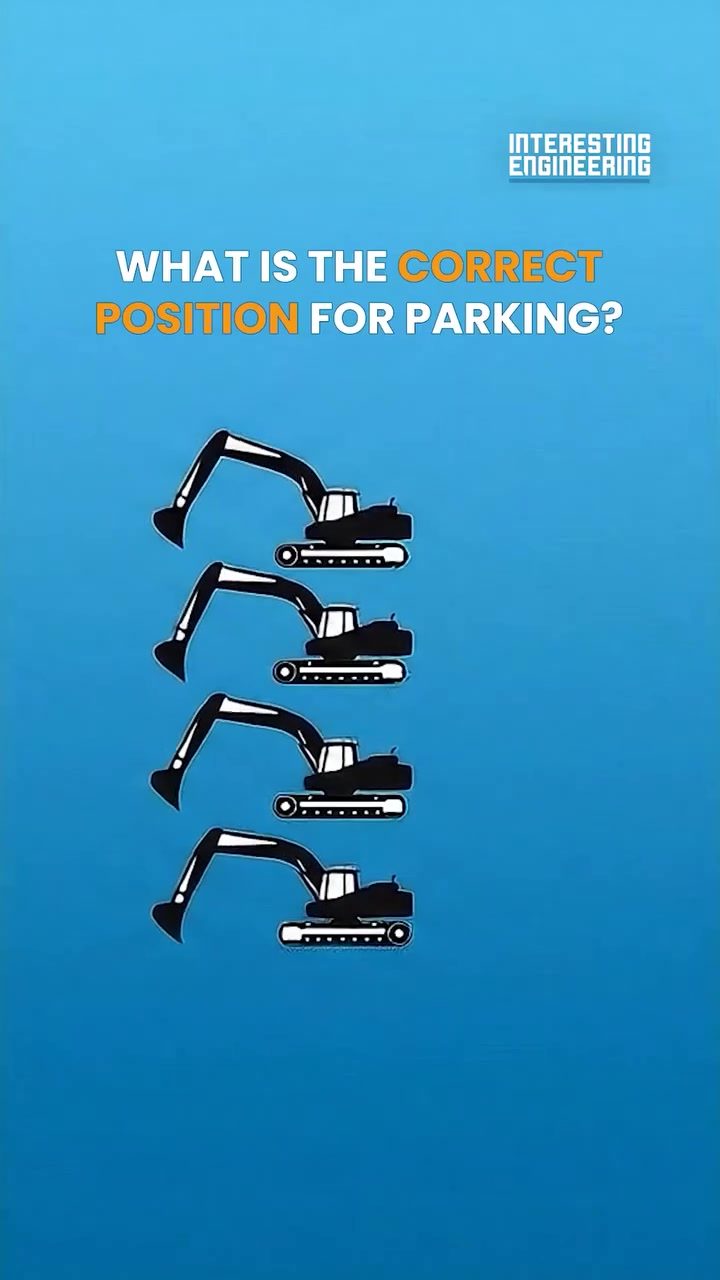
Let's break down the potential parking positions shown in the puzzle:
-
Position A: This position shows the excavator parked with the boom and stick extended. This is generally not the correct way to park an excavator as it increases the risk of tipping and makes the machine unstable.
-
Position B: In this position, the excavator is parked with the boom and stick fully lowered. This is the most secure and correct way to park an excavator as it ensures stability and reduces the risk of falling over. This position also aligns with the recommendation for parking on a flat, stable surface.
Practical Tips for Parking an Excavator
Assess the Terrain
Before parking, always check the surface for stability. Avoid parking on slopes or soft ground, as this can lead to the excavator tipping over or sinking.
Use the Parking Brake
Even if the excavator is on a flat surface, always engage the parking brake. This adds an extra layer of safety by preventing any accidental movement.
Lower the Boom and Stick
Lower the boom and stick fully and pull them in close to the body of the excavator. This reduces the machine's center of gravity, making it more stable.
Secure the Machine
If possible, use wheel chocks or other stabilizing devices to further secure the excavator. This is especially important on uneven surfaces or when parking on a slope.
Clear the Area
Ensure the area around the excavator is clear of any obstacles or debris. This not only makes it easier to move the excavator but also reduces the risk of accidents.
Regular Maintenance
Regularly inspect the excavator's parking brake and other mechanical components to ensure they are in good working order. This includes checking for any wear and tear that could compromise the machine's stability.
Important Takeaways
Parking an excavator correctly is not just about convenience; it's about safety and longevity. The correct parking position ensures that the machine remains stable and secure, reducing the risk of accidents and damage. Operators should always follow the manufacturer's guidelines and best practices for parking their specific model of excavator.
Conclusion
In summary, parking an excavator correctly involves choosing a stable, level surface, lowering the boom and stick, and securing the machine with chocks if necessary. By following these guidelines, operators can ensure the safety and longevity of their excavators, minimizing the risk of accidents and costly repairs. Understanding and implementing the correct parking procedures is essential for everyone involved in operating heavy machinery.
Watch the Reel
Questions readers ask
What is the ideal surface for parking an excavator?
The ideal surface for parking an excavator is flat and stable. This helps to maintain the machine's stability and prevent any unintended movement, which could cause accidents or injuries. Avoid surfaces with slopes or uneven terrain, which can make it difficult to maintain stability.
Are there different parking positions for different types of excavators?
Yes, the correct parking position can vary depending on the type of excavator. Factors such as the machine's size, weight, and specific design features should be considered. For instance, excavators with long booms may require more space to park safely. Always refer to the manufacturer's guidelines for the most accurate information.
How should I park an excavator on steep terrain?
Parking an excavator on steep terrain requires extra caution. If possible, avoid parking on slopes. If you must park on a slope, ensure the excavator is facing uphill and use outriggers or other stabilization methods to prevent the machine from rolling. Always prioritize safety and ensure the machine is secure before leaving it unattended.
What are the steps to park an excavator with reels attached?
When parking an excavator with reels attached, ensure the reels are properly secured and the excavator is levelled. This helps to distribute the weight evenly and prevents the reels from shifting. Always refer to the manufacturer's guidelines for specific instructions related to your excavator model and reel type.
Can I park an excavator in any position as long as it is on a flat surface?
While a flat surface is crucial, the orientation of the excavator also matters. The excavator should be parked in a way that allows for easy movement and access. The boom should be lowered, and the bucket should be gently resting on the ground to prevent any strain on the hydraulic system. Additionally, avoid parking the excavator in a way that obstructs pathways or other machinery.
What are the key factors to consider when parking an excavator?
Key factors to consider include the terrain, excavator type, and any nearby obstacles. Always ensure the machine is parked on a flat, stable surface. Consider the excavator's design and any attached equipment, such as reels or additional tools. Additionally, ensure the machine is secured and that there is enough space around it to prevent any accidents or damage.
Recent articles
Fresh deep dives from the latest Reels we unpacked.




Comments
Be the first to comment.