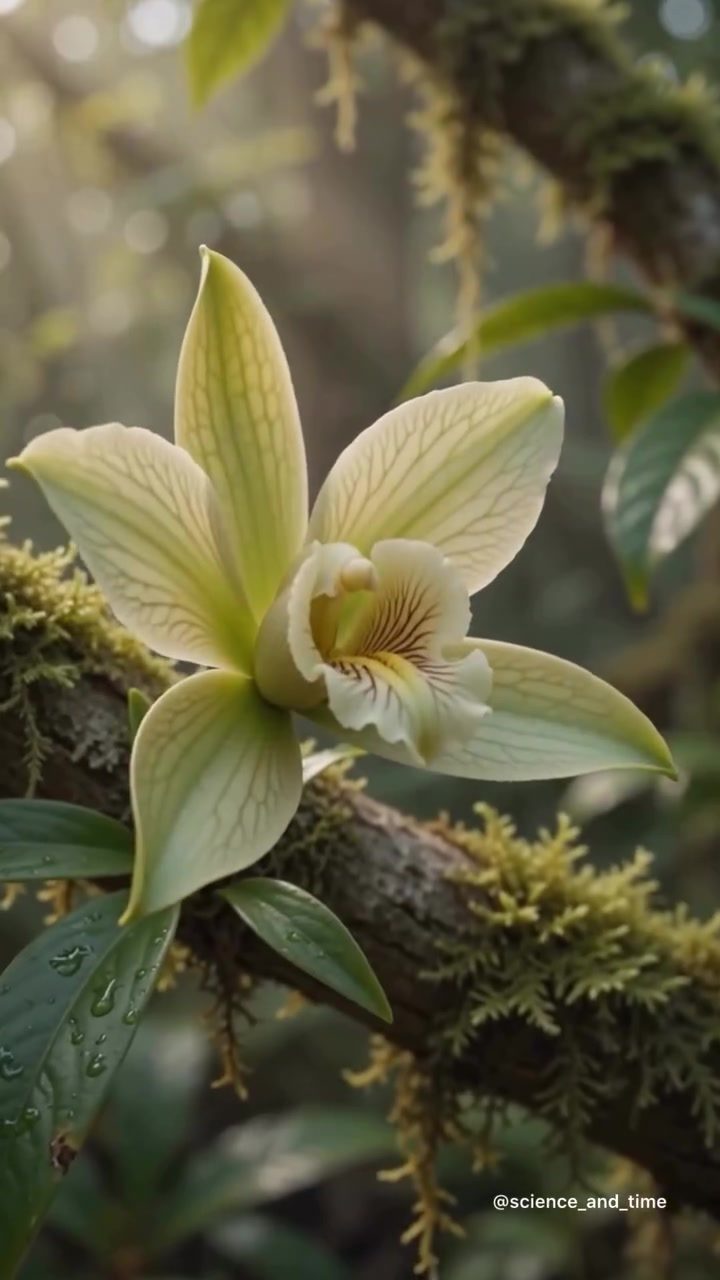
Orchids: Masters of Evolution
Orchids have captivated humans for centuries with their exquisite beauty. However, these flowers are far more than just visually stunning; they are evolutionary marvels. With around 30,000 known species, orchids have developed some of the most unusual shapes, colors, scents, and pollination strategies in the plant kingdom.
Orchids began evolving extraordinary flowers millions of years ago. Each shape, color, and scent evolved with a single purpose: to attract the perfect pollinator. Over time, each flower has developed a unique design to entice a specific type of pollinator, creating an intricate evolutionary story.
The Diversity of Orchids
The diversity among orchids is staggering. Some species mimic the appearance of animals, while others use deception to attract pollinators. One common deception strategy is for an orchid to perfectly mimic a female insect's shape, color, and even scent. This trickery ensures that male insects, drawn by the illusion of a potential mate, will inadvertently transfer pollen from one flower to another.
Not all orchids rely on deception, though. Some have evolved long nectar tubes that only certain pollinators can reach. This strategy creates an extraordinary partnership between the orchid and its pollinator, ensuring that the flower's reproductive needs are met while the pollinator is rewarded with nectar.
Adaptations for Pollination
Orchids exhibit a range of adaptations for pollination, each devised to maximize the chances of successful reproduction. Some orchids, for instance, have evolved to look like animals, creating bizarre shapes that serve a specific purpose: guiding the right pollinator to carry their pollen. These animal-mimicking orchids are a testament to nature's ingenuity, as each unique shape has one purpose—to attract a particular type of insect.
Some orchids have evolved even stranger designs. For example, one species looks invisible, blending seamlessly into its surroundings, while another traps bees inside, ensuring that the pollen is transferred effectively. These adaptations prove that evolution has solved pollination in completely different ways, tailored to the specific needs of each orchid species.
Orchids and Their Pollinators
The relationship between orchids and their pollinators is one of the most fascinating aspects of plant biology. Each orchid species has co-evolved with specific pollinators, creating intricate partnerships that ensure both the plant and the insect benefit. Some orchids have evolved to survive without ordinary green leaves, relying instead on symbiotic relationships with fungi or other plants to obtain the nutrients they need.
The Ghost Orchid
One of the most mysterious orchids is the Ghost Orchid, known for its ethereal beauty and rarity. This orchid has no ordinary green leaves and relies on a unique relationship with certain fungi to survive. The Ghost Orchid's delicate, almost ghostly appearance and elusive nature make it a subject of fascination for botanists and nature enthusiasts alike.
The Bee Orchid
Another remarkable species is the Bee Orchid, which closely resembles a bee. This orchid uses its resemblance to female bees to attract male bees, which then pollinate the flower in the process. This evolutionary strategy is a prime example of how orchids have adapted to ensure their survival and reproduction.
Slipper Orchids
Slipper Orchids are another notable group, named for their distinctive pouch-like lip. This unique structure traps insects temporarily, ensuring that the flower's pollen is effectively transferred. The intricacy of this design underscores the incredible adaptations that orchids have developed to thrive in their environments.
Practical Tips for Orchid Enthusiasts
For those interested in growing orchids, understanding their unique pollination strategies can be beneficial. Here are some practical tips to help you care for these extraordinary plants:
Choose the Right Species
When selecting an orchid, consider the specific needs of the plant. Some orchids require more sunlight, while others thrive in shadier conditions. Research the pollination strategies and environmental requirements of different species to ensure you can provide the best care.
Provide the Right Environment
Orchids often have specific requirements for humidity, light, and temperature. Mimic their natural habitats as closely as possible to help them thrive. For example, some orchids prefer a humid environment, while others prefer drier conditions.
Use the Right Potting Mix
Orchids need a well-draining potting mix to prevent root rot. Choose a mix specifically designed for orchids, which typically includes materials like bark, moss, and perlite. This will help ensure that your orchid receives the right amount of moisture and nutrients.
Encourage Pollination
If you're growing orchids outdoors, you can encourage natural pollination by planting them near other flowering plants that attract pollinators. Bees, butterflies, and other insects will then visit your orchids, helping to facilitate pollination.
Important Takeaways
The world of orchids is a realm of endless wonder and diversity. Each species tells a unique evolutionary story, shaped by millions of years of adaptation. Whether they mimic animals, deceive pollinators, or create intricate partnerships, orchids represent the pinnacle of plant evolution.
Understanding the extraordinary pollination strategies of orchids not only deepens our appreciation for these remarkable plants but also highlights the intricate web of life that exists in nature. By learning about orchids, we gain insight into the complex and fascinating ways that plants and pollinators have co-evolved over time.
Conclusion
Orchids are more than just beautiful flowers; they are evolutionary marvels that have developed incredible strategies to ensure their survival and reproduction. From mimicking animals to trapping pollinators, orchids showcase the diversity and ingenuity of nature. Whether you're a botanist, a nature enthusiast, or simply someone who appreciates the beauty of flowers, exploring the world of orchids offers a wealth of knowledge and wonder.
Watch the Reel
Questions readers ask
How do orchids use color to attract pollinators?
Orchids employ a wide range of colors to attract specific pollinators. These colors can mimic the appearance of other flowers, or even other pollinators, to lure them in. The color choices are not arbitrary; they are the result of evolution, tailored to the specific pollinators that visit the flowers, and help ensure successful reproduction.
What role do scents play in orchid pollination?
Scents are a crucial part of an orchid's pollination strategy. Many orchids release fragrances that mimic the pheromones of female insects, effectively tricking male insects into landing on the flower. Some orchids even change their scent throughout the day to attract different pollinators at specific times.
Can you describe some of the unique shapes that orchids use for pollination?
Orchids have evolved a vast array of shapes to attract and manipulate pollinators. Some orchids have flowers that closely resemble the shape of a female insect, complete with intricate details, to lure in male insects. Others have flowers that only open under specific conditions, ensuring that only the right pollinator can access them.
Do all orchids rely on insect pollination?
While many orchid species do rely on insects for pollination, not all do. Some orchids have evolved to be pollinated by birds or even small mammals. For example, certain orchids in South America are pollinated by hummingbirds, with their unique flower shapes and colors adapted to attract these avian visitors.
How have orchids evolved to ensure that only specific pollinators visit them?
Orchids have developed various tactics to ensure only specific pollinators visit them, such as producing nectar that only certain insects can access. Some orchids have also evolved intricate structures that trap pollinators until they are dusted with pollen, ensuring that they will only go on to visit another flower of the same species. Additionally, some orchids have evolved to mimic the appearance of other flowers, or even other pollinators, to lure in specific visitors.
Why is it advantageous for orchids to attract specific pollinators?
By attracting specific pollinators, orchids can maximize their reproductive success. Different pollinators have unique behaviors, sizes, and shapes, and orchids have evolved to exploit these differences to ensure pollen is transferred efficiently. This specificity helps prevent cross-pollination with incompatible species and ensures that the orchid's genetic material is passed on effectively.
Recent articles
Fresh deep dives from the latest Reels we unpacked.




Comments
Be the first to comment.