Polio and the Iron Lung: A Historical Medical Treatment
Iron lungs, those massive machines that once dominated hospital wards, were a stark reminder of a time when polio posed a significant threat to public health. These cylindrical devices were crucial in assisting breathing for individuals whose respiratory muscles were paralyzed by the virus. Before the polio vaccine was developed, iron lungs were a lifeline for patients, creating a vacuum around the body to force air in and out, effectively breathing for them.
Understanding the Iron Lung
Iron lungs, also known as negative pressure ventilators, were designed to assist breathing in patients with respiratory paralysis. The machine worked by creating a vacuum around the patient's body, which expanded the chest and allowed air to flow into the lungs. When the vacuum was released, the chest would contract, expelling air from the lungs. This process mimicked natural breathing, providing a lifesaving intervention for polio patients whose diaphragm and chest muscles were affected.
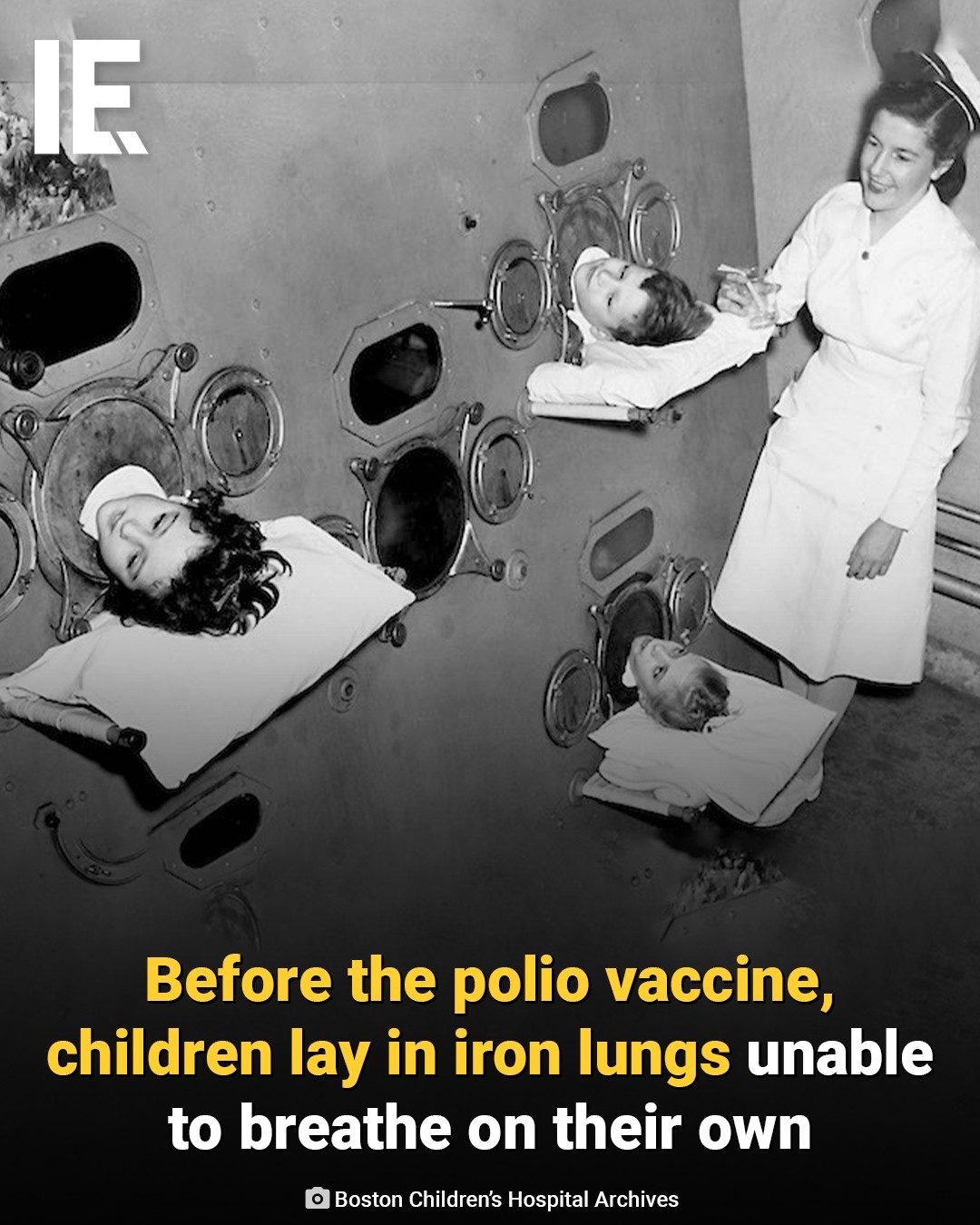
These devices were typically made of metal and enclosed the patient from the neck down, leaving the head and upper body exposed. Patients would lie inside the iron lung, often for extended periods, as the machine rhythmically assisted their breathing. The design was both primitive and intimidating, but it was a crucial tool in the fight against polio before the development of a vaccine.
The Impact of Polio Before the Vaccine
Before the polio vaccine was introduced in 1955, polio was a widespread and feared disease. It affected thousands of children and adults, causing paralysis and, in severe cases, death. The virus could attack the nervous system, specifically the spinal cord, leading to muscle weakness, paralysis, and loss of muscle function. The respiratory muscles were particularly vulnerable, and when they were paralyzed, patients required mechanical assistance to breathe.
The image from the Boston Children’s Hospital Archives captures a harrowing scene from the 1950s, showing wards filled with children confined to iron lungs. These massive machines, essential for their survival, also symbolized the limitations of medical technology at the time. The introduction of the polio vaccine, developed by Dr. Jonas Salk, revolutionized the treatment of the disease, drastically reducing the number of new cases and making iron lungs largely obsolete.
The Role of the Polio Vaccine
The development of the polio vaccine by Dr. Jonas Salk in 1955 was a monumental achievement in modern medicine. The vaccine, made from inactivated poliovirus, provided immunity to the disease without causing it. It was administered through injection and was highly effective in preventing polio. The widespread use of the vaccine led to a dramatic decline in polio cases, transforming the once-horrifying disease into a rare occurrence in many parts of the world.
By the 1970s, iron lungs were seldom used due to the success of the vaccination program. The vaccine not only saved lives but also eradicated the fear and suffering associated with polio. Today, polio remains endemic in only a few countries, and ongoing vaccination efforts continue to reduce its prevalence.
Practical Tips for Understanding Historical Medical Treatments
For those interested in learning more about historical medical treatments, here are some practical tips:
Research Archival Materials
Visit archives and museums that hold historical medical records and artifacts. Institutions like the Boston Children's Hospital Archives provide valuable insights into past medical practices and the evolution of treatments.
Engage with Medical History Experts
Speak with medical historians or healthcare professionals who specialize in the history of medicine. They can provide context and detailed information on how medical treatments have evolved over time.
Study Medical Literature
Read medical literature from the time, including historical texts and scientific journals. This can provide a deeper understanding of the medical challenges faced and the innovations developed to overcome them.
Important Takeaways
Iron lungs played a critical role in the treatment of polio before the development of the vaccine. These machines were essential for keeping patients alive by assisting their breathing. The introduction of the polio vaccine by Dr. Jonas Salk in 1955 drastically reduced the prevalence of polio, making iron lungs obsolete. Understanding the history of medical treatments like these provides valuable context for appreciating the advancements in modern medicine and the ongoing efforts to eradicate diseases.
Conclusion
The historical treatment of polio with iron lungs stands as a testament to the ingenuity and resilience of medical professionals in the face of a devastating disease. The transition from the use of iron lungs to the widespread vaccination program highlights the significant strides made in medical science. The eradication of polio in many parts of the world is a triumph of modern medicine, making it a crucial chapter in the history of public health.
Watch the Reel
Questions readers ask
What exactly is an iron lung and how did it function?
An iron lung, or negative pressure ventilator, is a large, cylindrical machine designed to assist breathing. It functioned by creating a vacuum around the patient's body, causing the chest to expand and fill with air, mimicking the natural breathing process. This was crucial for polio patients whose respiratory muscles were paralyzed.
Why were iron lungs essential during the 1950s polio epidemic?
Iron lungs were essential during the 1950s polio epidemic because they provided a lifeline for patients whose respiratory muscles were paralyzed by the poliovirus. Before the polio vaccine, these machines were the primary means of supporting the breathing of those affected by the virus.
How did the polio epidemic impact hospital infrastructure?
The polio epidemic significantly impacted hospital infrastructure, leading to the establishment of dedicated polio wards. These wards were equipped with multiple iron lung machines to accommodate the large number of patients requiring respiratory support.
What was the experience like for a patient in an iron lung?
For patients, being in an iron lung was a confining experience. The entire body, except for the head, was enclosed in the cylindrical machine. Patients had to communicate with healthcare providers through various means, such as blinking or using a pencil and paper, as they couldn't speak while connected to the machine.
What led to the decline in the use of iron lungs?
The decline in the use of iron lungs began with the development of the polio vaccine in the 1950s. As vaccinations reduced the incidence of polio, the need for iron lungs decreased. Additionally, advancements in medical technology led to the development of more portable and efficient ventilators.
Were there any notable locations known for their iron lung use, such as specific hospitals or archives?
The Boston polio archives are a significant resource for understanding the historical use of iron lungs. This archive holds valuable information and photos documenting the use of these machines in hospitals during the polio outbreaks.
How did healthcare professionals operate and maintain these massive machines?
Healthcare professionals operated iron lungs by carefully monitoring the vacuum pressure and ensuring the patient's comfort. Regular maintenance was crucial to keep the machines functioning properly, including checking for leaks, lubricating moving parts, and sterilizing the interior to prevent infections.
Related deep dives
Similar reads based on topic and creator.


Recent articles
Fresh deep dives from the latest Reels we unpacked.




Comments
Be the first to comment.