Fast Food Restaurant Transformations
Fast food chains have undergone significant transformations in their architecture and branding over the past few decades. Once recognizable by their bold and distinctive designs, many chains have shifted to more standardized and efficient layouts. This change has sparked nostalgia among customers who miss the unique character of these iconic fast food brands.
Why This Matters
The evolution of fast food restaurant designs reflects broader trends in the industry. As chains like Taco Bell, Pizza Hut, and McDonald's have grown and expanded, so too have the demands for efficiency, cost-effectiveness, and standardized operations. These shifts have had a profound impact on the visual identity and customer experience of fast food chains.
How Fast Food Chains Once Looked
Distinctive Architectural Styles
Taco Bell, for instance, was once known for its mission-style buildings, which featured arched windows and stucco exteriors. These designs were not only distinctive but also helped to create a unique dining atmosphere.
Pizza Hut's red roofs were another iconic feature, instantly recognizable from a distance. These roofs, along with the chain's signature brown and red color scheme, were central to its branding.
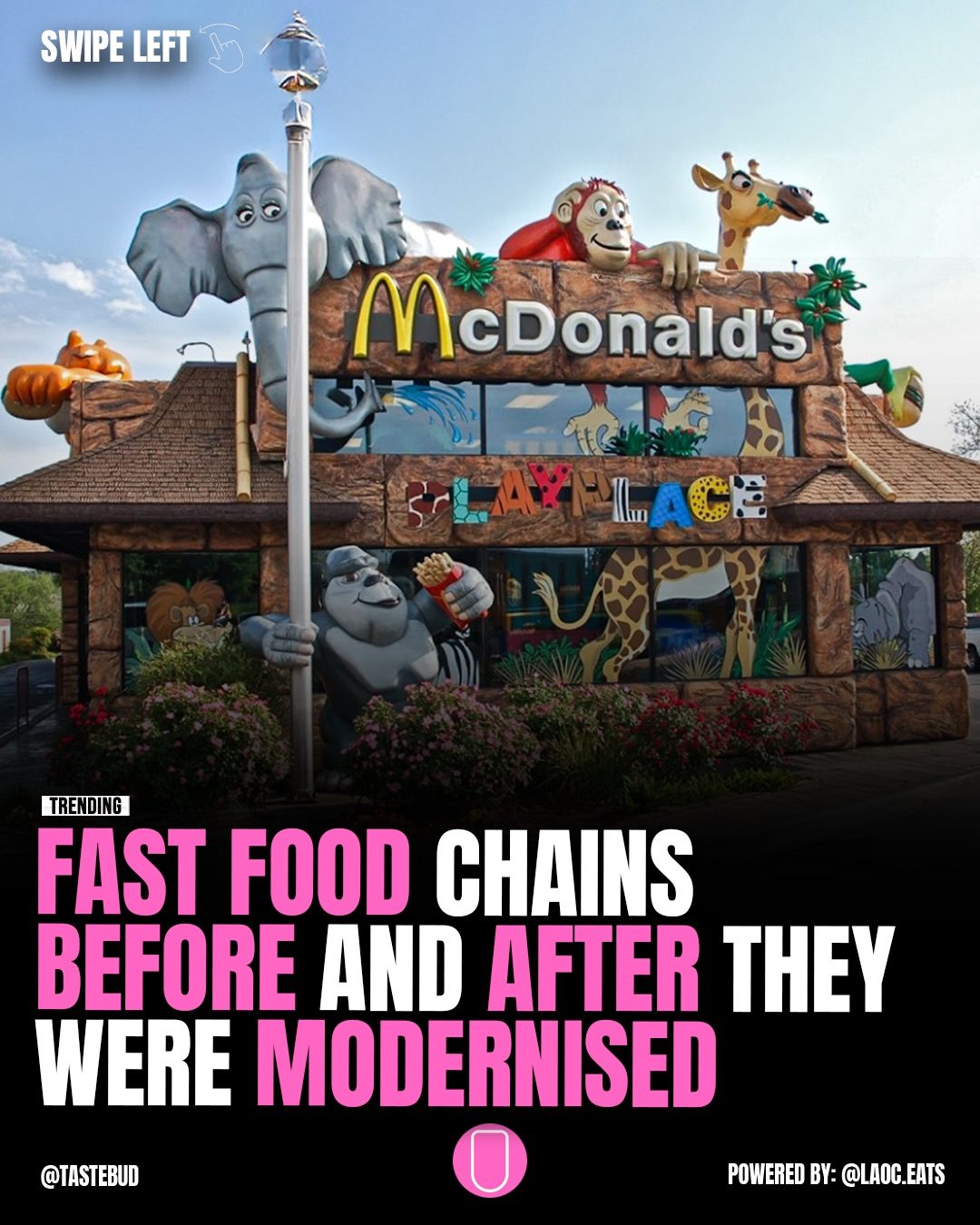
McDonald’s colorful PlayPlaces, with their vibrant colors and playful designs, were a staple of childhood memories for many. These play areas were not only functional but also added to the overall family-friendly atmosphere of the restaurants.
The Shift to Modern Designs
Over the past two decades, many fast food chains have moved away from these distinctive designs. Instead, they have adopted sleek gray exteriors, minimal signage, and standardized layouts. This shift is driven by a focus on efficiency and cost savings, making construction and operations more straightforward and affordable.
The Modernization Process
Efficiency and Cost Savings
The modernization of fast food restaurant designs has been driven by a need for efficiency and cost savings. By standardizing their layouts and using more cost-effective materials, chains can reduce construction costs and streamline operations. This move to sleek, gray exteriors and minimal signage is a clear indication of this shift.
The Impact on Brand Identity
However, this shift to more standardized designs has had a significant impact on the visual personality of these brands. Many customers miss the character and uniqueness that once made each brand instantly recognizable. The bold and distinctive designs of the past were not just aesthetically pleasing; they also played a crucial role in creating a unique brand identity for each chain.
This change has been highlighted in before-and-after comparisons, particularly for chains like McDonald's, Wendy's, KFC, and Taco Bell. The before images often feature bright colors, distinctive architectural styles, and playful designs, while the after images showcase more subdued, standardized layouts.
Practical Tips for Finding Old and New Designs
Finding Old Designs
For those interested in seeing the old designs of their favorite fast food chains, online archives and historical photos can be a treasure trove. Many chains have preserved images of their older designs in their corporate archives, and some enthusiasts have also collected and shared these images online.
Exploring Modern Designs
To see the modern designs, simply visit any of your favorite fast food chains. Many of the newer restaurants will feature the sleek gray exteriors and minimal signage that have become so prevalent in recent years. Additionally, fast food chains often feature their new designs in promotional materials and on their websites.
Important Takeaways
The transformation of fast food restaurant designs reflects a broader industry trend towards efficiency and cost savings. While these changes have made operations more streamlined, they have also led to a loss of visual personality and unique brand identity. The distinctive architectural styles of the past were not just aesthetically pleasing; they also played a crucial role in creating a unique dining experience for customers.
Conclusion
The evolution of fast food restaurant designs is a fascinating journey that reflects broader trends in the industry. As chains like Taco Bell, Pizza Hut, and McDonald's have grown and expanded, so too have the demands for efficiency, cost-effectiveness, and standardized operations. While the shift to more standardized layouts has made operations more efficient, it has also led to a loss of the unique character and visual personality that once made each brand instantly recognizable.
Watch the Reel
Questions readers ask
What were some key features of Taco Bell's old design?
Taco Bell's older designs were known for their vibrant colors, unique roofing, and distinctive bell-shaped signs. These elements gave each location a distinct and memorable look, setting them apart from other fast food chains. The interiors were often playful and colorful, reflecting the brand's fun and youthful image.
How has McDonald's architecture evolved over time?
McDonald's architecture has evolved from the original red-and-white buildings with golden arches to more modern designs. Today, many McDonald's locations feature sleek, contemporary exteriors with open floor plans and digital kiosks, prioritizing efficiency and accessibility. The iconic golden arches remain a constant, but their design and placement have adapted to fit modern aesthetics.
What changes have occurred in Pizza Hut's restaurant design?
Pizza Hut's restaurant design has transitioned from its signature red roofs and white buildings to more streamlined and efficient layouts. Many newer locations feature open kiosks, digital menu boards, and modern interiors designed for quick service and ease of navigation. Some locations have even adopted a more casual, dine-in atmosphere with booths and tables.
Why do people feel nostalgic about old fast food designs?
Nostalgia for old fast food designs stems from the unique and often whimsical architecture of the past. Many people remember the distinctive buildings and interiors of fast food chains, which have been replaced by more standardized and efficient designs. This shift has sparked a longing for the nostalgic charm of the past, reminiscing about the brand experiences of their youth.
What are some common trends in modern fast food restaurant architecture?
Modern fast food restaurant architecture prioritizes efficiency, cost-effectiveness, and streamlined operations. This often results in more uniform and standardized designs, with features like digital ordering kiosks, open floor plans, and simplified exteriors. The focus is on maximizing space, reducing costs, and enhancing the overall customer experience.
How has the shift in fast food architecture affected branding?
The shift in fast food architecture from bold, distinctive designs to more standardized layouts has impacted branding. While the new designs are more efficient, they can also lead to a loss of unique visual identity. Some chains have found ways to reintroduce nostalgic elements or unique features to maintain brand recognition and nostalgia.
Related deep dives
Similar reads based on topic and creator.


Recent articles
Fresh deep dives from the latest Reels we unpacked.




Comments
Be the first to comment.