Blood Pressure Changes Over Time
Blood pressure guidelines have shifted over the decades, with each new set of recommendations lowering the threshold for what is considered "normal." This trend has significant implications for public health and the pharmaceutical industry.
Why This Matters
Understanding the evolution of blood pressure guidelines is crucial for making informed health decisions. As guidelines change, so do the criteria for diagnosing hypertension and the subsequent treatments prescribed. These shifts can impact millions of people, potentially leading to lifelong medication use.
The Evolution of Blood Pressure Guidelines
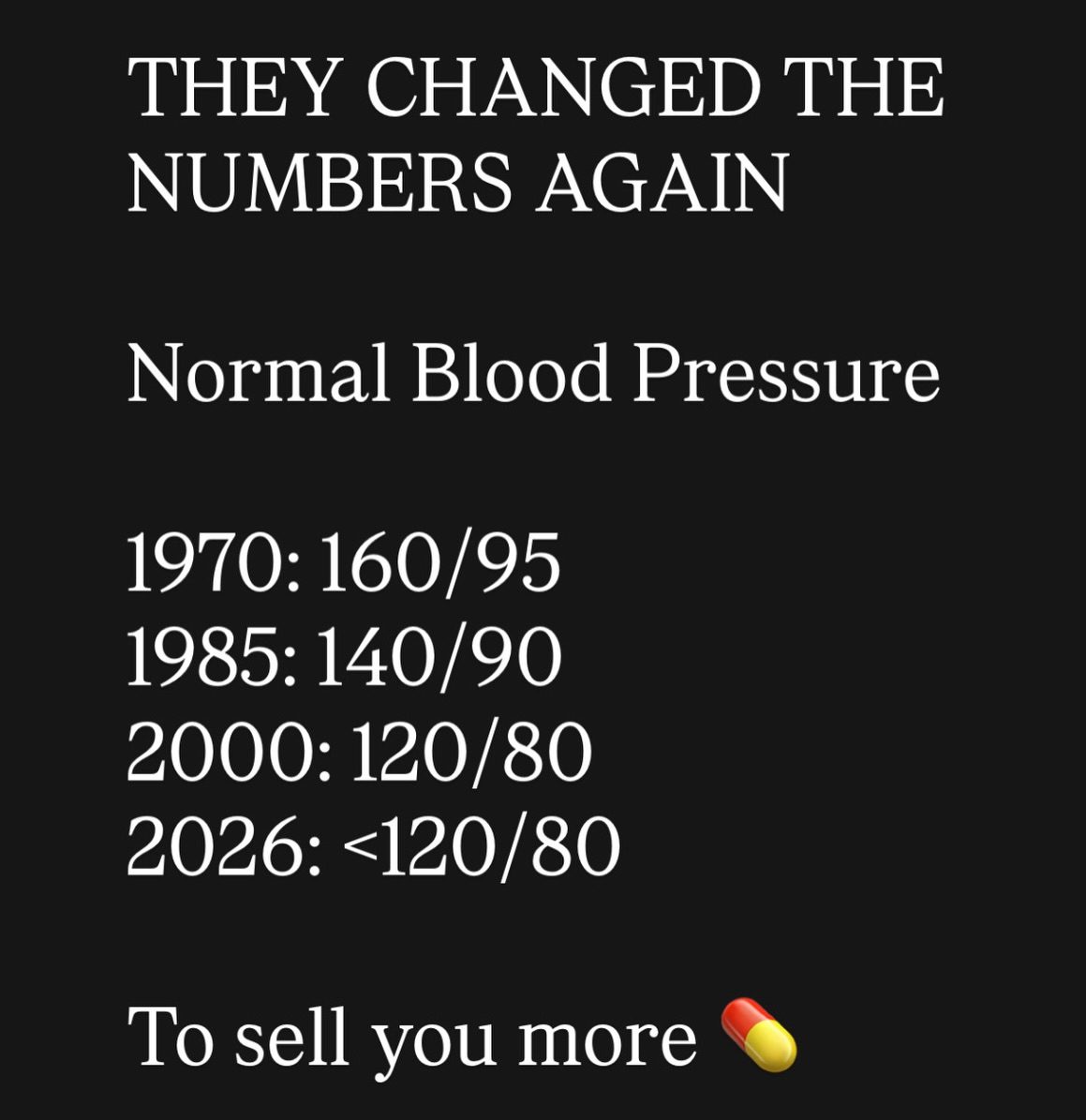
The definition of normal blood pressure has changed dramatically over the past few decades. Here’s a breakdown of how these guidelines have evolved:
1970s: The Initial Benchmark
In 1970, the standard definition of normal blood pressure was 160/95 mmHg. This meant that anyone with readings above this level was considered hypertensive and required treatment. This benchmark was widely accepted and remained in place for over a decade.
1985: Tighter Restrictions
By 1985, medical guidelines tightened, lowering the threshold to 140/90 mmHg. This change meant that more people were classified as hypertensive, leading to an increase in the number of individuals prescribed medication to manage their blood pressure.
2000: Further Lowering
In the year 2000, the guidelines were adjusted again, this time to 120/80 mmHg. This significant drop in the threshold for normal blood pressure meant that even more people were diagnosed with hypertension, resulting in a surge in medication prescriptions.
2026: Projected Changes
Looking ahead to 2026, there are projections that the threshold for normal blood pressure could be lowered even further, to less than 120/80 mmHg. This potential change would likely classify an even larger portion of the population as hypertensive, leading to a continued increase in medication use.
The Impact on Public Health
Each adjustment in blood pressure guidelines has led to a significant increase in the number of people diagnosed with hypertension. This shift has several implications for public health:
Increased Medication Use
As the threshold for normal blood pressure lowers, more people are prescribed medications like beta blockers. This trend raises questions about the long-term effects of widespread medication use and the potential for overmedication.
Economic Considerations
The pharmaceutical industry benefits from these changes, as more people require lifelong medication. This economic incentive raises important questions about the motivations behind guideline adjustments and the potential conflicts of interest in healthcare policy.
Health Perception
Being diagnosed with a condition like hypertension can significantly impact a person's perception of their health. It's important to remember that being outside the "ideal range" does not automatically mean a person is unhealthy. A holistic approach to health, focusing on lifestyle and overall wellness, is valuable.
Practical Tips for Managing Blood Pressure
While medication can be an essential part of managing blood pressure, there are several practical steps individuals can take to support their cardiovascular health:
Lifestyle Changes
Adopting a healthy lifestyle can significantly impact blood pressure. This includes a balanced diet, regular exercise, and stress management techniques. Lifestyle changes can often reduce the need for medication or lower the required dosage.
Regular Monitoring
Regularly monitoring blood pressure at home can help individuals understand their health better. Keeping a log of readings can provide valuable information for healthcare providers and may help in adjusting treatment plans.
Holistic Approach
Taking a holistic approach to health involves considering all aspects of wellness, including mental health, nutrition, and physical activity. This approach can help manage blood pressure naturally and promote overall well-being.
Important Takeaways
The evolution of blood pressure guidelines highlights the complexity of modern healthcare. While guidelines are designed to prevent disease and improve health outcomes, it's essential to consider the broader implications of these changes. Understanding the reasons behind guideline shifts can help individuals make informed decisions about their health and treatment options.
Being aware of the potential commercial interests at play is also crucial. Recognizing that pharmaceutical companies may benefit from more people qualifying for lifelong medication can prompt important conversations about healthcare policy and the priorities of public health initiatives.
Lastly, it’s important to recognize that being outside the "ideal range" does not automatically mean a person is unhealthy. Each individual’s health journey is unique, and a holistic approach to wellness can often support better health outcomes.
Conclusion
Blood pressure guidelines have evolved significantly over the past few decades, with each new set of recommendations lowering the threshold for what is considered normal. These changes have far-reaching implications for public health, medication use, and the pharmaceutical industry. By understanding the evolution of these guidelines and their potential motivations, individuals can make more informed decisions about their health and treatment options.
Watch the Reel
Questions readers ask
What were the blood pressure guidelines in the 1970s and how have they changed since then?
In the 1970s, a blood pressure reading of 140/90 mmHg was considered the threshold for hypertension. Over the decades, this threshold has been gradually lowered. For instance, in 2017, the American Heart Association and the American College of Cardiology redefined hypertension as a reading of 130/80 mmHg or higher, reflecting significant shifts in what is considered a healthy blood pressure range.
Why is it important to stay updated on the latest blood pressure guidelines?
Keeping updated on the latest blood pressure guidelines is essential for maintaining optimal health. Changes in guidelines can affect how hypertension is diagnosed and treated, which in turn impacts the medications and lifestyle changes recommended by healthcare providers.
How do the 2026 blood pressure guidelines compare to those from the 1970s and 2017?
The 2026 blood pressure guidelines are expected to continue the trend of lowering the threshold for what is considered normal, based on the historical trend. While specific details are not yet available, they are likely to be more stringent than both the 1970s and 2017 guidelines, emphasizing the need for proactive health management and regular check-ups.
What is the significance of the 2017 redefinition of blood pressure guidelines?
The 2017 redefinition of blood pressure guidelines by the American Heart Association and the American College of Cardiology lowered the threshold for hypertension to 130/80 mmHg. This change meant that more people were classified as having hypertension, which could lead to earlier intervention and treatment, potentially reducing the risk of heart disease and stroke.
What are the expected changes in the 2026 blood pressure guidelines?
While the 2026 blood pressure guidelines are not yet finalized, they are anticipated to reflect ongoing research and advances in medical knowledge. It is likely that the thresholds for diagnosing hypertension will be further lowered, and there may be new recommendations for treatment and lifestyle adjustments.
Related deep dives
Similar reads based on topic and creator.


Recent articles
Fresh deep dives from the latest Reels we unpacked.




Comments
Be the first to comment.