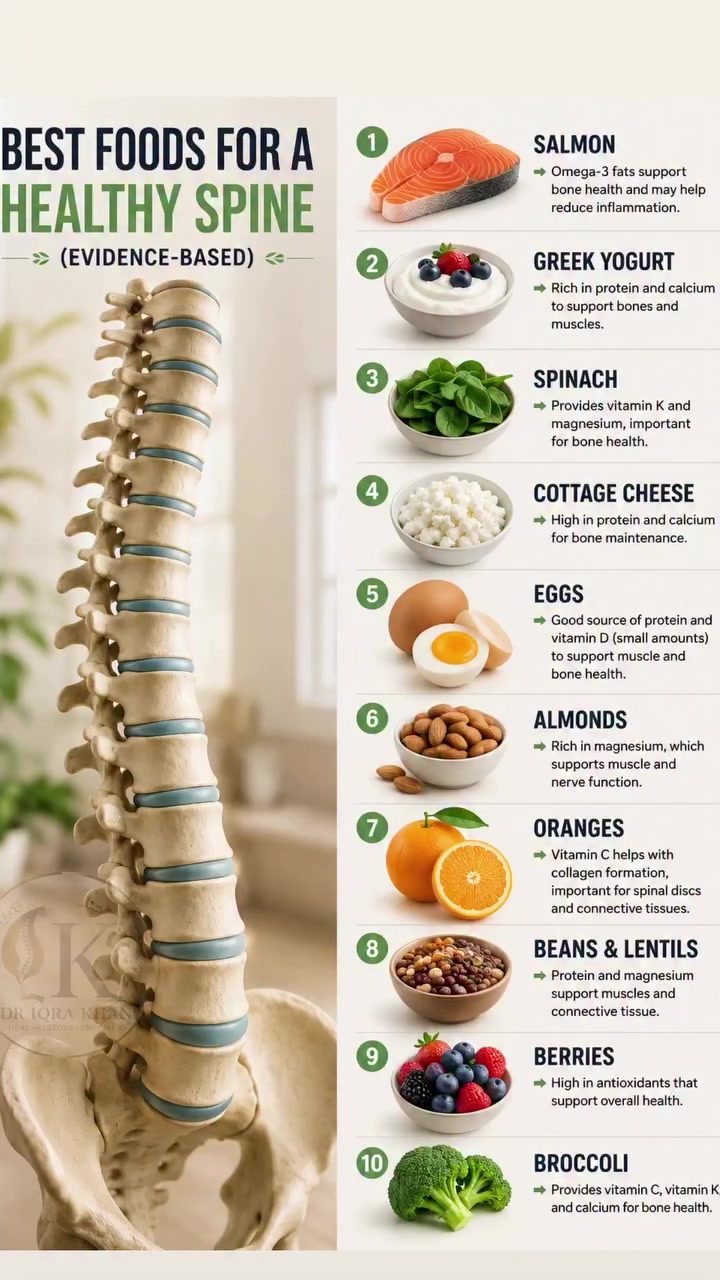
Foods for Spine Health
Maintaining a healthy spine involves more than just good posture; nutrition plays a crucial role in supporting strong bones, healthy muscles, and connective tissues. Incorporating the right foods into your diet can significantly enhance spine health and overall well-being. Here's a guide to the best foods for a healthy spine, backed by evidence.
Why This Matters
A healthy spine is essential for mobility, stability, and overall quality of life. Proper nutrition can help prevent common spinal issues such as back pain, osteoporosis, and degenerative disc disease. By focusing on foods rich in specific nutrients, you can support the structural integrity of your spine and enhance its functionality.
Main Discussion
Omega-3 Fatty Acids and Bone Health
Omega-3 fatty acids, found in salmon, are known for their anti-inflammatory properties. These fats support bone health by reducing inflammation, which can otherwise lead to joint pain and stiffness. Incorporating salmon into your diet can be a delicious way to promote spinal health. Aim for at least two servings of fatty fish per week to reap the benefits.
Protein and Calcium
Protein and calcium are vital for building and maintaining strong bones and muscles. Greek yogurt and eggs are excellent sources of these nutrients. Greek yogurt is particularly rich in protein and calcium, making it a versatile addition to meals and snacks. Eggs, on the other hand, provide a good balance of protein and calcium, along with vitamin D, which aids in calcium absorption.
Vitamin K and Magnesium
Vitamin K and magnesium are essential for bone health and can be found in spinach and almonds. Spinach is a powerhouse of nutrients, including vitamin K and magnesium, which are crucial for bone mineralization and muscle function. Almonds are a great snack option, offering magnesium that supports muscle and nerve function.
Vitamin C and Collagen Formation
Vitamin C plays a key role in the formation of collagen, a protein that is essential for the health of spinal discs and connective tissues. Oranges are a rich source of vitamin C, making them an excellent choice for supporting spinal health. Broccoli also provides vitamin C, along with vitamin K and calcium, making it a triple threat for bone health.
Antioxidants and Overall Health
Berries are packed with antioxidants, which help combat oxidative stress and inflammation in the body. By reducing inflammation, antioxidants can support overall health and well-being, indirectly benefiting the spine. Including a variety of berries in your diet can be a tasty and healthy way to boost your antioxidant intake.
Protein and Magnesium for Muscles and Connective Tissue
Beans and lentils are excellent sources of protein and magnesium, which are essential for muscle and connective tissue health. These nutrients help maintain the strength and flexibility of the muscles and tissues that support the spine. Incorporating beans and lentils into your meals can provide a plant-based source of these vital nutrients.
Practical Tips
-
Plan Your Meals: Incorporate a variety of the mentioned foods into your weekly meal plan. This ensures you get a balanced intake of essential nutrients.
-
Snack Smart: Choose snacks like almonds, berries, and Greek yogurt to boost your nutrient intake throughout the day.
-
Hydrate: Staying hydrated is crucial for spinal health, as it helps maintain the fluid content of the spinal discs.
-
Exercise Regularly: Combine a healthy diet with regular exercise to support long-term spine health. Activities like walking, swimming, and yoga can help strengthen the muscles that support the spine.
-
Maintain a Healthy Weight: Excess weight can put additional strain on the spine, leading to back pain and other issues. A balanced diet and regular exercise can help you maintain a healthy weight.
Important Takeaways
- A balanced diet rich in specific nutrients can significantly enhance spine health.
- Foods like salmon, Greek yogurt, spinach, eggs, almonds, oranges, beans and lentils, berries, and broccoli offer essential nutrients for bone, muscle, and connective tissue health.
- Incorporating these foods into your diet, along with regular exercise and staying hydrated, can support long-term spinal health.
- No single food can prevent or cure back pain, but a comprehensive approach to nutrition and lifestyle can make a significant difference.
Conclusion
A healthy spine is the foundation of a healthy body. By focusing on evidence-based foods rich in essential nutrients, you can support strong bones, healthy muscles, and connective tissues. Incorporating a variety of nutrient-dense foods into your diet, combined with regular exercise and a healthy lifestyle, can help you maintain optimal spinal health and overall well-being.
Watch the Reel
Questions readers ask
Which foods are rich in omega-3 fatty acids that support spine health?
Foods like salmon, mackerel, and chia seeds are excellent sources of omega-3 fatty acids, which help reduce inflammation and support bone health. Incorporating these into your diet can contribute to a healthier spine.
How does calcium benefit the health of my spine?
Calcium is essential for maintaining strong bones, including those in your spine. Foods rich in calcium, such as Greek yogurt, leafy greens like spinach, and fortified plant-based milks, can help prevent conditions like osteoporosis and support overall spine integrity.
What role does protein play in spine health and which foods should I include?
Protein is crucial for building and repairing muscles, including those that support your spine. Lean proteins like chicken, turkey, and fish, as well as plant-based sources such as lentils and tofu, can help maintain muscle strength and mobility.
Why is magnesium important for a healthy spine?
Magnesium is vital for bone formation and helps regulate calcium levels in the body. Foods high in magnesium, such as almonds, avocados, and whole grains, can contribute to a stronger, healthier spine by supporting bone density and muscle function.
What are some evidence-based foods to prevent spinal issues?
Including foods like fatty fish, leafy greens, and nuts in your diet can help prevent common spinal issues. These foods are rich in nutrients that support bone health, reduce inflammation, and maintain muscle strength, all of which are crucial for a healthy spine.
How does vitamin D support spine health?
Vitamin D is essential for calcium absorption, which is crucial for bone health. Foods fortified with vitamin D, such as certain milk and cereal products, as well as fatty fish, can help maintain strong bones and support overall spine health.
How can vitamin K benefit my spine?
Vitamin K helps to activate proteins necessary for bone formation and repair. Foods rich in vitamin K, such as spinach, kale, and Brussels sprouts, can help maintain bone density and reduce the risk of fractures, supporting overall spine health.
Recent articles
Fresh deep dives from the latest Reels we unpacked.




Comments
Be the first to comment.