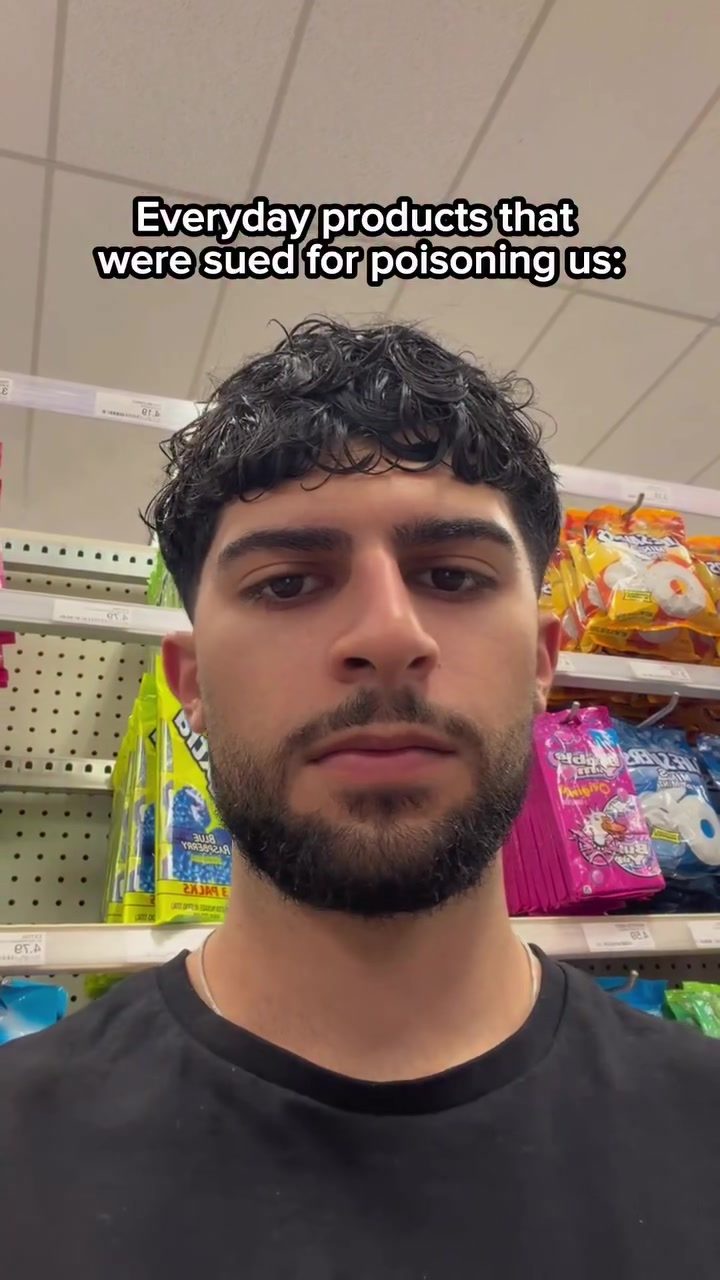
Food and Personal Care Products Facing Legal Action for Health Concerns
Health risks associated with everyday food and personal care products have led to several high-profile lawsuits. Some of the most notable cases involve well-known brands like Lindt, Chobani, and Banana Boat. These legal actions highlight the potential dangers lurking in common household items, raising important questions about product safety and consumer health.
Why This Matters
Understanding the health risks associated with everyday products is crucial for making informed purchasing decisions. Consumers often trust that the products they use are safe, but these lawsuits reveal that toxins and contaminants can sometimes slip through the cracks. Staying informed about these issues enables consumers to better protect themselves and their families.
Lindt Chocolates: High Levels of Heavy Metals
Lindt chocolates, a beloved brand known for its premium quality, faced a significant legal challenge in 2022. The lawsuit revealed that some of their products contained alarmingly high levels of cadmium and lead. These heavy metals are known to cause serious health issues, including damage to the nervous system, kidneys, and reproductive organs.
Heavy metals like cadmium and lead are particularly concerning because they can accumulate in the body over time. Even small amounts can have long-term effects, especially for vulnerable populations like children and pregnant women.
What This Means for Consumers
Consumers who regularly enjoy Lindt chocolates or similar products should be aware of the potential risks associated with heavy metals. While occasional consumption may not pose a significant threat, frequent use could lead to harmful accumulation. It is advisable to diversify your chocolate intake and choose brands that prioritize safety and transparency in their manufacturing processes.
Chobani Yogurt: Endocrine Disruptors in Packaging
Chobani yogurt, another popular choice for health-conscious consumers, was sued in 2025 for containing endocrine disruptors in its packaging. The lawsuit specifically highlighted phthalates, a group of chemicals commonly used in plastics that can mimic hormones in the body.
Phthalates have been linked to a range of health issues, including reproductive problems, developmental delays, and even certain types of cancer. The presence of these chemicals in food packaging raises concerns about the safety of the products we consume daily.
The Importance of Plastic-Free Alternatives
This lawsuit underscores the importance of choosing personal care and food products with minimal packaging or those packaged in safer materials. Opting for glass, stainless steel, or recyclable materials can help reduce exposure to harmful chemicals. Consumers should also look for products labeled as "phthalate-free" to ensure they are making a safer choice.
Banana Boat Sunscreen: Carcinogens in Aerosol Products
Banana Boat sunscreen, a go-to choice for many seeking sun protection, faced a lawsuit in 2022 due to the presence of benzene in its aerosol products. Benzene is a known carcinogen, meaning it can cause cancer in humans. Exposure to benzene, even in small amounts, poses a significant health risk, especially for frequent users.
Choosing Safer Sunscreen Options
Consumers should be cautious when selecting sunscreen products, particularly those in aerosol form. Opting for non-aerosol sunscreens labeled as "benzene-free" can help minimize exposure to this dangerous chemical. It is also essential to read product labels carefully and choose sunscreens from reputable brands that prioritize safety and transparency in their formulations.
Practical Tips for Navigating Product Safety
Given the potential health risks associated with common products, it is essential to adopt a proactive approach to product safety. Here are some practical tips to help you make informed choices:
Read Labels Carefully
Always read product labels carefully to identify potential contaminants or allergens. Look for certifications and labels that indicate the product has been tested for safety.
Research Brands
Before purchasing a new product, research the brand to ensure they prioritize safety and transparency in their manufacturing processes. Look for customer reviews and any history of legal action related to product safety.
Opt for Natural and Organic Options
Whenever possible, choose natural and organic products that are less likely to contain synthetic chemicals and contaminants. These products are often subjected to stricter regulations and quality control measures.
Stay Informed
Stay updated on the latest news and research related to product safety. Subscribe to organizations that advocate for consumer health and safety, and follow reputable sources for the latest information.
Important Takeaways
Brand-name products that consumers trust can pose hidden health risks. Here are the key takeaways from the legal actions against Lindt, Chobani, and Banana Boat:
- Lindt Chocolates: High levels of cadmium and lead were found in some products, raising concerns about long-term health effects.
- Chobani Yogurt: Phthalates in the packaging can act as endocrine disruptors, potentially leading to serious health issues.
- Banana Boat Sunscreen: The presence of benzene in aerosol products poses a significant carcinogenic risk.
Conclusion
The legal actions against Lindt, Chobani, and Banana Boat highlight the importance of staying informed about the products we use daily. By understanding the potential risks and taking proactive steps to protect ourselves, we can better navigate the world of food and personal care products. Whether it's choosing products with minimal packaging, opting for natural alternatives, or staying updated on the latest research, every step counts in safeguarding our health.
Watch the Reel
Questions readers ask
How do the Lindt and Chobani lawsuits affect consumers?
The Lindt and Chobani lawsuits inform consumers about potential health risks associated with heavy metals in chocolate and endocrine disruptors in yogurt. As a result, consumers can make more informed decisions when purchasing these products.
What are endocrine disruptors and why are they a concern?
Endocrine disruptors are chemicals that interfere with the body's hormonal system. They are a concern because they can lead to various health issues, including reproductive problems and developmental issues, especially in children.
What is the significance of the Banana Boat sunscreen lawsuit?
The Banana Boat sunscreen lawsuit highlights concerns about benzene, a known carcinogen, found in some sunscreen products. This legal action raises awareness about the importance of checking product labels and choosing sunscreens that are free from harmful chemicals.
What steps can consumers take to protect themselves from toxic products?
Consumers should stay informed about ongoing lawsuits and product recalls. They should also carefully read product labels, opting for items with clear ingredient lists and limited chemicals. Additionally, consumers can look for products that have been certified safe by trusted organizations.
What are phthalates and why are they being sued?
Phthalates are a group of chemicals often used in personal care products and plastics. They are being sued due to their potential to cause reproductive and developmental issues. Consumers can avoid phthalates by choosing products labeled 'phthalate-free' or those with clear, non-toxic ingredient lists.
What are the risks associated with heavy metals in food products?
Heavy metals such as lead, cadmium, and arsenic can accumulate in the body over time, leading to serious health problems. Some of the risks include brain damage, kidney failure, and even cancer. The Lindt lawsuit highlights the importance of monitoring and reducing exposure to these toxins through diet.
How can consumers stay informed about the latest product safety alerts?
Consumers can stay informed by regularly checking the websites of regulatory bodies like the FDA, subscribing to newsletters from consumer advocacy groups, and following trusted news sources that report on product recalls and safety alerts.
Recent articles
Fresh deep dives from the latest Reels we unpacked.




Comments
Be the first to comment.