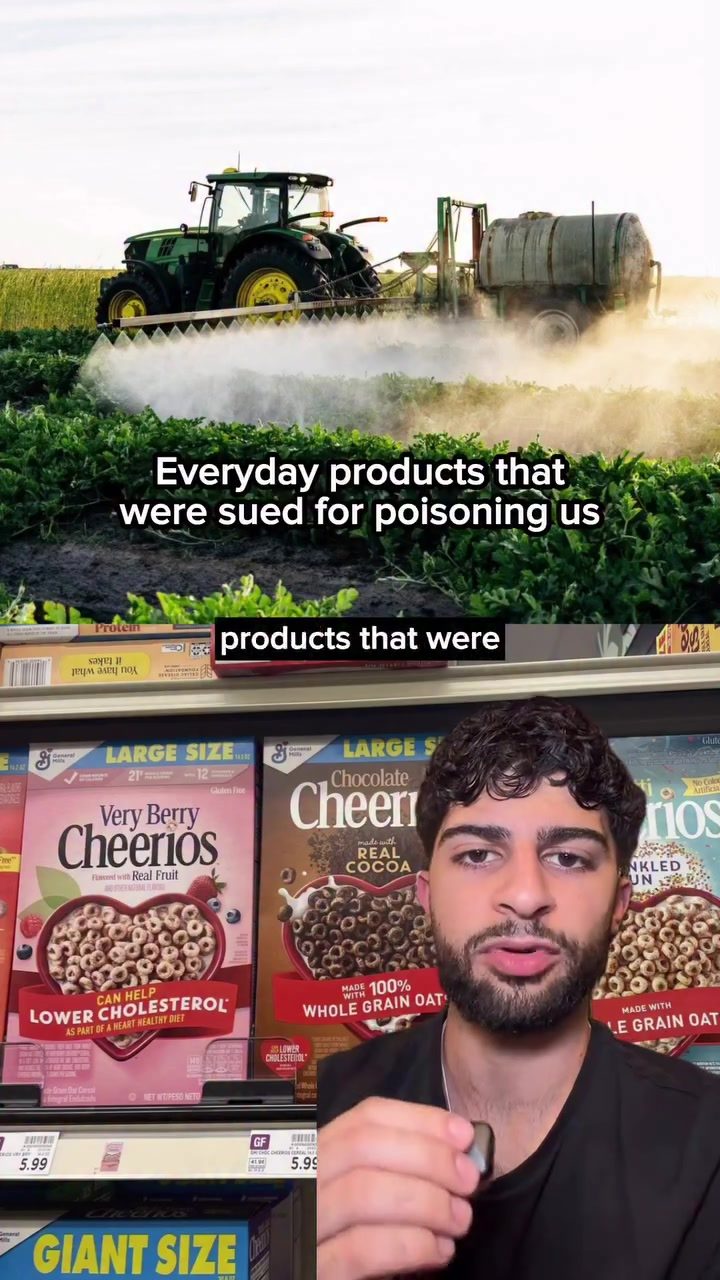
Everyday Products Accused of Poisoning: A Look into Recent Lawsuits
Lawsuits involving everyday products are often surprising. Some common products have been sued due to concerns about harmful ingredients. Let’s explore a few notable examples.
Context / Why this matters
Recent years have seen a rise in consumer awareness about the potential health risks associated with everyday products. Multiple lawsuits have been filed against brands, alleging that their products contain harmful substances. These legal actions highlight the importance of vigilance when it comes to the safety and regulation of consumer goods.
Food Products Under Fire
Cheerios and Gluten Fraud
Cheerios, a popular breakfast cereal, has faced legal challenges. The lawsuit alleges that the cereal misleads consumers about its gluten-free status. Some consumers claimed that despite being labeled as gluten-free, Cheerios still contained detectable levels of gluten, posing health risks for individuals with celiac disease or gluten sensitivity. This case underscores the importance of accurate labeling and transparency in the food industry.
PFAS in Reese's Peanut Butter Cups
Reese's Peanut Butter Cups, a beloved candy, have also come under scrutiny. PFAS, or per- and polyfluoroalkyl substances, are a group of chemicals found in various consumer products. PFAS are known for being highly persistent in the environment and accumulating in the human body, potentially leading to adverse health effects. The lawsuit alleges that Reese's Peanut Butter Cups contain harmful levels of PFAS, raising concerns about the safety of this popular treat.
Sunscreen and Health Concerns
Benzene in Banana Boat Sunscreen
Sunscreen products are essential for protecting the skin from harmful UV rays, especially during outdoor activities. However, the presence of benzene in some sunscreen products has raised significant health concerns. In 2022, Banana Boat sunscreen was sued for containing benzene in its aerosol sunscreen sprays. Benzene is a known carcinogen, meaning it can cause cancer, and its presence in a product designed to protect the skin is alarming. The ban on benzene in sunscreen products underscores the need for stringent regulation and testing to ensure consumer safety.
Chocolate and Contaminants
Lindt Lindor Chocolate Ingredients
Chocolate is a favorite indulgence for many, but even beloved brands like Lindt have faced scrutiny. Lindt Lindor chocolates have been under investigation for potential health concerns related to their ingredients. While specific details about the contaminants have not been fully disclosed, the investigation highlights the broader issue of ingredient safety in the food industry.
Practical Tips
When it comes to consumer products, knowledge is power. Here are some practical tips to help you make informed decisions:
- Check Labels: Always read product labels carefully. Look for any warnings or certifications that ensure the product meets safety standards.
- Research Brands: Do some research on the brands you trust. Look for brands with a history of transparency and high-quality standards.
- Stay Informed: Keep up with news and updates about product recalls and lawsuits. This will help you stay aware of any potential risks associated with the products you use.
- Read Reviews: Online reviews and feedback from other consumers can provide valuable insights into the quality and safety of products.
- Consult Experts: When in doubt, consult healthcare professionals or experts in the field for advice on product safety and potential health risks.
Important Takeaways
The lawsuits against everyday products serve as a reminder that consumer safety is a shared responsibility. Brands have a duty to ensure their products are safe, and consumers have a right to be informed. These legal actions highlight the need for stricter regulations and better testing protocols to protect public health. By staying informed and vigilant, consumers can make better choices and advocate for safer products.
Conclusion
Everyday products that we use and consume can sometimes contain harmful ingredients. Lawsuits against brands like Cheerios, Reese's, Banana Boat, and Lindt highlight the potential risks and the importance of stringent regulation. By being informed and vigilant, consumers can make better choices and advocate for safer products.
Watch the Reel
Questions readers ask
What are PFAS chemicals and why are they a concern in food products?
PFAS (per- and polyfluoroalkyl substances) are a group of man-made chemicals used in various industries for their resistance to heat, grease, and water. In food products, PFAS are concerning because they have been linked to serious health issues, including cancer, thyroid problems, and immune system effects. These chemicals can accumulate in the body over time, and exposure to them is a significant concern for consumers.
Why is benzene a problem in sunscreens like Banana Boat?
Benzene is a known carcinogen, meaning it can cause cancer. The chemical can be found in small amounts in certain sunscreens, including products from brands like Banana Boat. Benzene is a byproduct of the manufacturing process, and while it is present in small amounts, its presence in sunscreen products is concerning because it poses a health risk to consumers.
What health risks are associated with gluten in products like Cheerios?
For individuals with celiac disease or gluten sensitivity, consuming gluten can lead to a range of health issues. These include digestive problems, fatigue, and even long-term damage to the small intestine. This is why accurate labeling and the presence of gluten in foods is a concern for consumers.
What are the key symptoms of food poisoning that consumers should be aware of?
Symptoms of food poisoning can vary but often include nausea, vomiting, diarrhea, and abdominal pain. In more serious cases, it can lead to dehydration, fever, and in extreme cases, hospitalization. If you experience severe symptoms after consuming a potentially contaminated product, seek medical attention immediately.
What should consumers do if they suspect a product is harmful?
If consumers suspect a product is harmful, they should first stop using it. Then, they can report their concerns to the FDA or a relevant health authority. Additionally, consulting with a healthcare provider or a legal expert can provide guidance. It's also helpful to document any symptoms and keep the product packaging for future reference.
How can consumers stay informed about product recalls and lawsuits?
Consumers can stay informed by regularly checking the FDA's website for recalls and safety alerts, following news outlets that cover health and safety issues, and signing up for alerts from consumer advocacy groups. Additionally, keeping an eye on social media and online forums can provide real-time updates on product safety concerns and legal actions.
What are the potential health risks of PFAS contamination in everyday products?
PFAS contamination in everyday products can lead to a variety of health risks, including increased cholesterol levels, changes in hormone levels, immune system effects, and increased risk of certain cancers. These chemicals are particularly concerning because they are persistent in the environment and the human body, meaning they do not break down easily and can accumulate over time.
Recent articles
Fresh deep dives from the latest Reels we unpacked.



Comments
Be the first to comment.