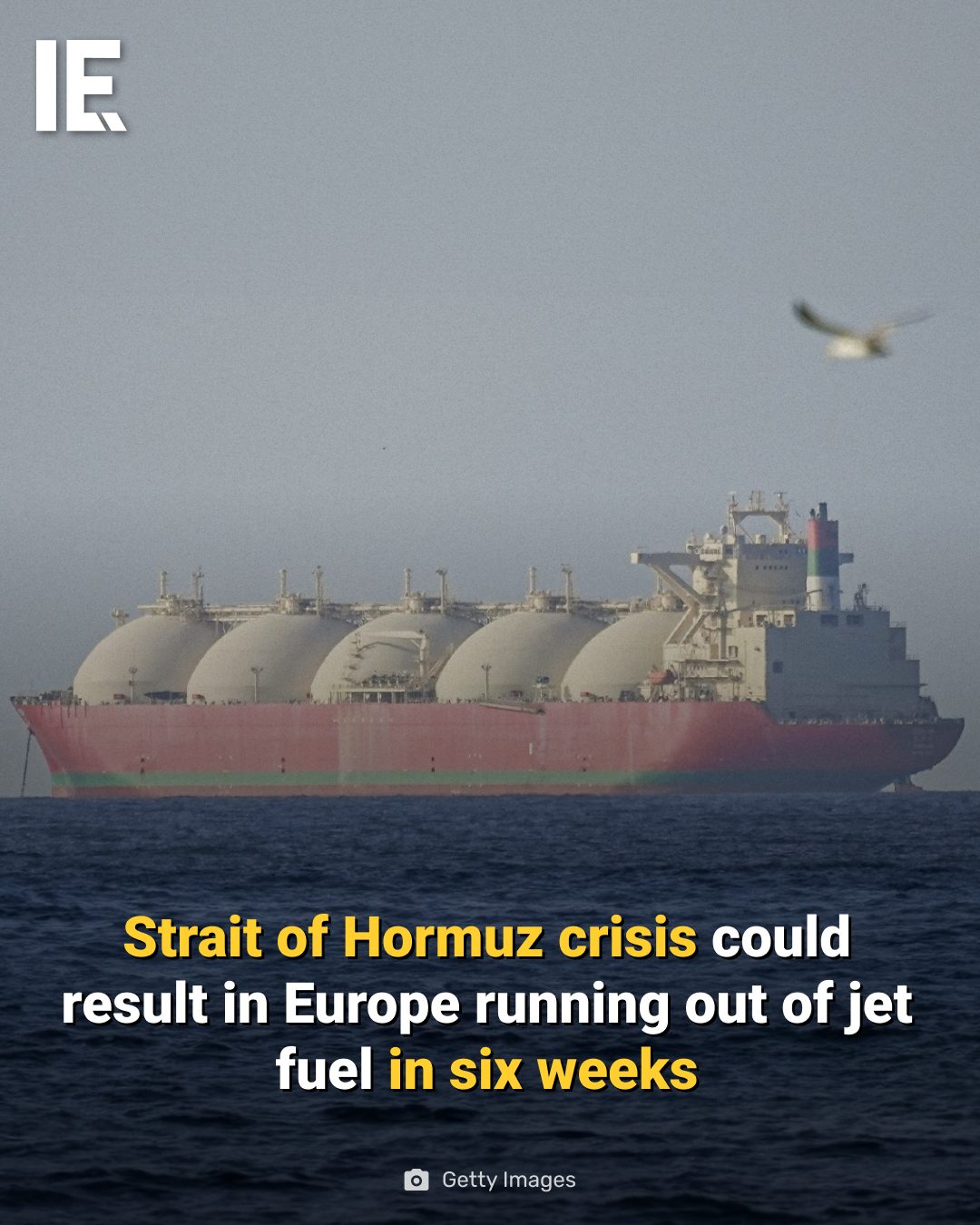
Fuel Crisis in Europe: The Potential Impact of a Hormuz Crisis
The escalating military presence in the Strait of Hormuz has raised concerns about a potential fuel crisis in Europe. The United States has increased its military presence in the region, and recent news indicates that peace talks remain uncertain. This geopolitical tension could have significant repercussions for Europe's fuel supply, particularly jet fuel, which is crucial for aviation.
Context: Why This Matters
The Strait of Hormuz is a critical chokepoint for global oil and gas supplies. Located between the Persian Gulf and the Gulf of Oman, it is a vital transit route for a substantial portion of the world's petroleum trade. Any disruption in this area can have far-reaching effects on energy markets worldwide. Europe, in particular, is heavily reliant on oil and gas imports, making it particularly vulnerable to supply disruptions.
Potential Impact on Europe's Fuel Supply
The Strait of Hormuz and Jet Fuel
Jet fuel is a specialized product derived from crude oil, and any disruption in crude oil supply can directly affect its availability. The Strait of Hormuz is a key transit point for oil tankers, and a crisis there could lead to a significant shortage of jet fuel in Europe within six weeks. This potential shortage would have severe implications for the aviation industry, which relies heavily on jet fuel for its operations.
Escalating Military Presence
The United States has escalated its military presence in the Strait of Hormuz, indicating a heightened state of tension in the region. The presence of additional military forces suggests that the possibility of a crisis is being taken seriously. This escalation could be in response to various geopolitical factors, including recent tensions between the United States and Iran, which has a significant influence in the region. Peace talks, which are crucial for de-escalating tensions, remain uncertain, further increasing the risk of a crisis.
Main Discussion
Historical Context and Current Tensions
The Strait of Hormuz has long been a focal point of geopolitical tensions. In the past, the region has seen several incidents that disrupted oil supplies, causing global energy prices to spike. The most notable example is the Iran-Iraq War in the 1980s, during which both countries attempted to disrupt each other's oil exports by attacking tankers. More recently, the United States and Iran have engaged in a series of escalating tensions, including the targeting of Iranian oil tankers and the seizure of vessels in the region.
Europe's Dependence on Imported Fuel
Europe is heavily dependent on imported oil and gas, making it particularly vulnerable to disruptions in supply. A significant portion of Europe's oil and gas imports comes from the Middle East, and many of these shipments transit through the Strait of Hormuz. Any disruption in this supply route could lead to severe shortages, particularly in countries that rely heavily on imported energy.
The Role of Jet Fuel
Jet fuel is a specialized product derived from crude oil and is a critical component of the aviation industry. The aviation industry is highly sensitive to fuel shortages, as any disruption in jet fuel supply can lead to significant operational disruptions and financial losses. The potential shortage of jet fuel in Europe within six weeks of a crisis in the Strait of Hormuz highlights the urgent need for contingency planning and alternative supply routes.
Practical Tips for Aviation Industry Professionals
Managing the risk of a potential fuel crisis requires a proactive approach. Aviation industry professionals can take several steps to mitigate the impact of a fuel shortage.
Diversify Your Supply Chain
Relying on a single supply route can be risky, especially in times of geopolitical tension. Diversifying your supply chain by sourcing jet fuel from multiple regions can help reduce the impact of disruptions. Exploring alternative supply routes and storage options can also provide a buffer against potential shortages.
Strategic Stockpiling
Maintaining a strategic stockpile of jet fuel can provide a safety net in times of supply disruptions. By storing sufficient jet fuel to cover at least a few weeks of operations, aviation companies can ensure that their operations remain unaffected by short-term shortages.
Collaborate with Suppliers and Partners
Building strong relationships with fuel suppliers and industry partners can help in navigating supply disruptions. Regular communication and collaboration can ensure that any potential issues are addressed promptly, and alternative solutions can be explored.
Important Takeaways
A potential fuel crisis in the Strait of Hormuz could have severe repercussions for Europe's jet fuel supply, leading to a shortage within six weeks. The escalating military presence in the region and the uncertainty surrounding peace talks highlight the urgent need for contingency planning. Aviation industry professionals can mitigate the impact of a fuel shortage by diversifying their supply chains, maintaining strategic stockpiles, and collaborating with suppliers and partners.
Conclusion
The potential for a crisis in the Strait of Hormuz, exacerbated by the escalating military presence and uncertainty surrounding peace talks, poses a significant threat to Europe's jet fuel supply. Understanding the implications of a potential fuel crisis and taking proactive measures can help aviation industry professionals navigate the challenges ahead. By diversifying supply chains, maintaining strategic stockpiles, and collaborating with partners, aviation companies can ensure that their operations remain resilient in the face of potential disruptions.
Watch the Reel
Questions readers ask
What makes the Strait of Hormuz so crucial for Europe's jet fuel supply?
The Strait of Hormuz is a vital transit route for a significant portion of the world's oil supply. Approximately 21 million barrels of crude oil pass through the Strait every day, making it a key choke point for global oil trade. Disruptions in this region can lead to sudden shortages in Europe's jet fuel supply within weeks, as Europe's aviation industry heavily relies on these oil supplies.
How might military tensions between the US and Iran affect Europe's fuel availability?
Military tensions between the United States and Iran in the Strait of Hormuz can escalate to disruptions in oil transit. If these tensions lead to supply disruptions, Europe could face a critical shortage of jet fuel within weeks. This is because a significant portion of Europe's jet fuel is sourced from oil that passes through the Strait, and any blockage in this critical transit route could result in supply instability.
What role does the Strait of Hormuz play in global oil transit?
The Strait of Hormuz serves as a critical chokepoint for global oil transit. Located between the Persian Gulf and the Gulf of Oman, it facilitates the transit of approximately a third of the world's seaborne-oil trade. This makes it a linchpin for global energy markets, as any disruption in this area can have widespread reverberations, including on fuel availability in Europe.
Why is Europe's aviation industry particularly vulnerable to a Hormuz crisis?
Europe's aviation industry is particularly vulnerable to a Hormuz crisis because of its dependence on jet fuel. The industry relies on a steady supply of jet fuel, which is primarily sourced from oil that passes through the Strait of Hormuz. Any supply disruptions in this region can lead to sudden shortages in jet fuel availability, posing significant challenges to the aviation industry, including potential flight cancellations and disruptions in air travel.
How might an increase in the US military presence in the Strait of Hormuz affect fuel supply to Europe?
An increase in the US military presence in the Strait of Hormuz can serve as both a deterrent and a potential catalyst for supply disruptions. While it could discourage disruptions by Iran, it could also escalate tensions and provoke conflict. The instability could affect the flow of oil through the Strait, leading to potential shortages in fuel supply to Europe, impacting Europe's jet fuel availability.
What are the potential repercussions of peace talks remaining uncertain in the Hormuz region?
Uncertain peace talks in the Hormuz region can prolong geopolitical tensions between the United States and Iran. This uncertainty can lead to continued instability and potential supply disruptions, which can have far-reaching effects on Europe's fuel supply. The aviation industry in Europe could face significant challenges, including potential jet fuel shortages and associated operational issues.
Related deep dives
Similar reads based on topic and creator.


Recent articles
Fresh deep dives from the latest Reels we unpacked.




Comments
Be the first to comment.