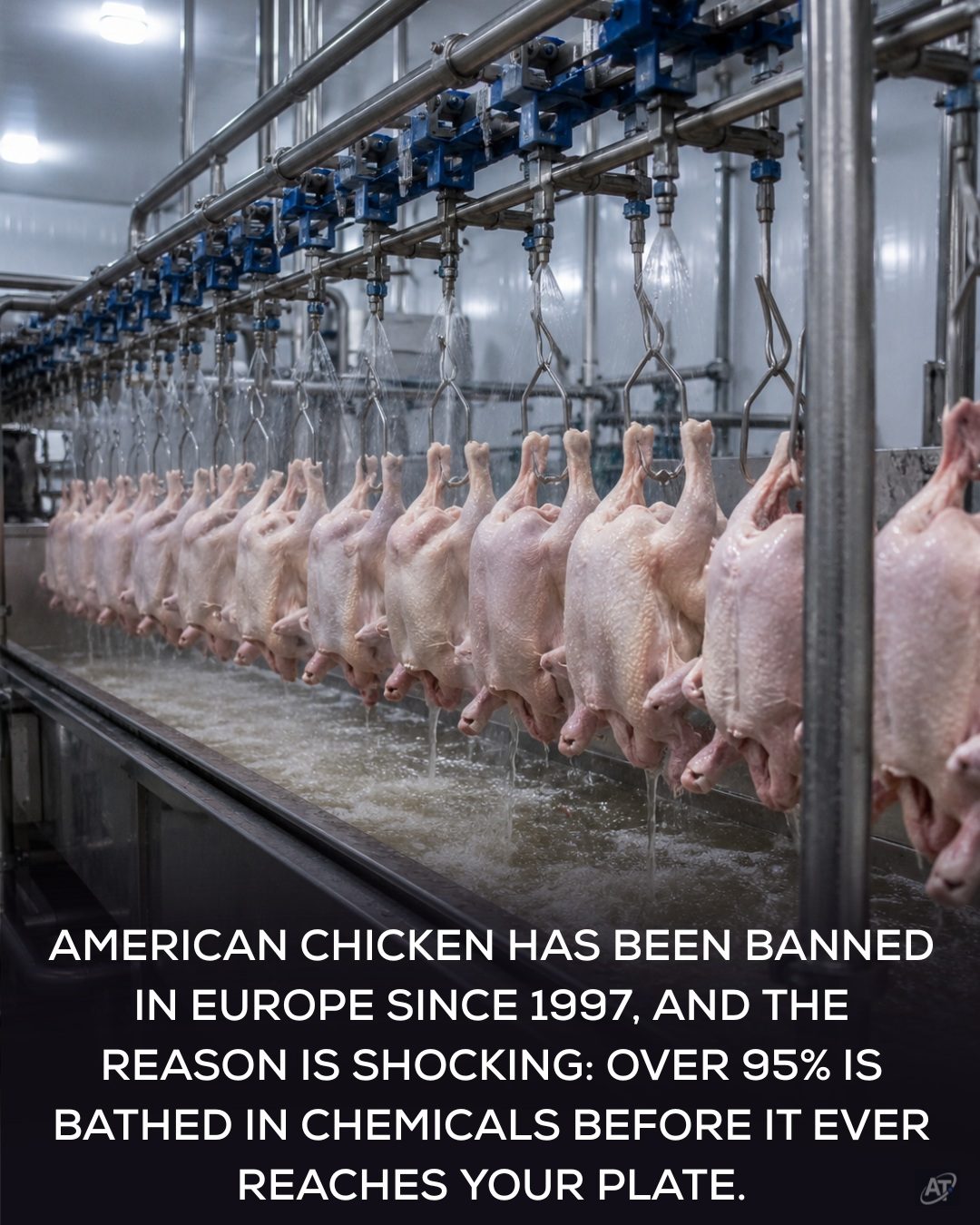
American Poultry Processing and the European Ban
American poultry has been at the heart of a contentious food-safety debate for decades. The issue often dubbed “chlorinated chicken” revolves around the use of certain chemical pathogen-reduction treatments in poultry processing. These treatments, commonly used in the United States, involve rinsing, spraying, dipping, or chilling chicken with approved antimicrobial solutions to reduce bacteria such as Salmonella and Campylobacter.
The European Union (EU) has long held a different stance on this practice. Since the late 1990s, the EU has prohibited the sale of poultry meat treated with these chemical washes. This ban includes treatments frequently used in U.S. poultry processing, where chicken may be rinsed, sprayed, dipped, or chilled with approved antimicrobial solutions to reduce bacteria such as Salmonella and Campylobacter. The EU's objection isn't simply about chemicals touching chicken; it advocates for a food-safety system that relies more heavily on strict hygiene throughout the entire farming and slaughter process, rather than end-of-line chemical washes to clean up contamination after processing.
Why This Matters
The debate over American poultry and chemical treatments goes beyond the final rinse. It encompasses how animals are raised, how crowded facilities are managed, how slaughterhouses control contamination, and how much trust consumers are expected to place in invisible processing steps before food reaches the plate.
The U.S. poultry industry argues that these antimicrobial rinses are safe, highly diluted, and effective at reducing foodborne pathogens. They also point out that modern processors often use peracetic acid and other treatments, not just chlorine.
The Divide in Food Safety Approaches
The core of the disagreement lies in the approach to food safety. The U.S. regulatory framework allows these processing aids as part of its food-safety system. The USDA lists approved substances used in meat and poultry processing, including peracetic acid mixtures, chlorine-based compounds, organic acids, and other antimicrobial treatments.
In contrast, the EU places more emphasis on strict hygiene and control measures throughout the entire farming and slaughter process. Their position is that food safety should start earlier, not be fixed at the very end. This divergence in regulatory philosophies has significant implications for poultry producers, consumers, and the global food trade.
The Impact on Global Trade
The EU's ban on chemically treated poultry has far-reaching effects on global trade. It limits the market access for U.S. poultry producers, who must adhere to stricter regulations if they wish to export to the EU. This regulatory divide affects not only economic relations but also consumer choices and perceptions of food safety.
For consumers, the debate highlights the importance of understanding where their food comes from and how it is processed. It raises questions about transparency, regulation, and the standards each country enforces to ensure food safety.
Practical Tips for Consumers
For those concerned about the safety and processing methods of their poultry, here are some practical tips:
- Read Labels: Look for information on the packaging about how the poultry was processed. Some labels may indicate that the poultry was treated with chemical washes.
- Choose Organic or Free-Range: These labeling terms are generally associated with stricter hygiene practices and less reliance on chemical treatments.
- Inquire at the Store: Don’t hesitate to ask store employees or the butcher about the processing methods used for the poultry products they sell.
- Support Local Farms: Buying from local, small-scale farms can provide more transparency and control over the processing methods used.
Important Takeaways
The debate over American poultry and chemical treatments underscores the complexities of global food systems. It highlights the need for clear regulations, transparency, and consumer awareness. Understanding the differences in food safety approaches between the U.S. and the EU can help consumers make informed choices and advocate for stricter hygiene practices in poultry processing.
Conclusion
The issue of American poultry and chemical treatments is multifaceted, involving regulatory differences, food safety approaches, and consumer trust. Whether you're a consumer, a producer, or simply interested in food safety, understanding the nuances of this debate can provide valuable insights into the broader context of global food systems. As debates continue, it's essential to stay informed and consider the broader implications of food safety regulations and practices.
Watch the Reel
Questions readers ask
Why does Europe ban American chicken?
Europe prohibits American chicken primarily due to differing views on the use of chemical pathogen-reduction treatments during poultry processing. The EU has strict food safety standards and does not permit the use of antimicrobial rinses, like those commonly used in the U.S., before consumption.
What chemicals are used in U.S. poultry processing?
U.S. poultry processing often involves the use of antimicrobial solutions, such as chlorine-based rinses, to reduce bacteria like Salmonella and Campylobacter. These treatments are typically applied by rinsing, spraying, dipping, or chilling the chicken.
How does the EU ensure food safety in poultry production?
The EU maintains high food safety standards by prioritizing strict hygiene measures throughout the entire poultry production process. This approach contrasts with U.S. practices that rely more heavily on post-processing chemical treatments.
What is the debate surrounding 'chlorinated chicken'?
The 'chlorinated chicken' debate centers around the use of chlorine and other antimicrobial solutions in poultry processing. The U.S. permits these treatments to reduce pathogens, while the EU considers them unsafe for consumption and has implemented a ban on such practices.
Are there alternatives to chemical treatments used in the U.S.?
The EU's approach focuses on preventing bacterial contamination through rigorous hygiene protocols during every stage of poultry production. This method differs from U.S. practices, which often rely on chemical treatments to address contamination after processing.
How long has the European ban on American chicken been in place?
The EU has prohibited the sale of poultry treated with chemical washes since the late 1990s. This policy was implemented to align with the EU's stringent food safety standards and preferences for hygienic processing methods over post-processing chemical treatments.
What are the key differences between EU and U.S. poultry regulations?
The primary difference lies in the approach to pathogen reduction. The EU emphasizes thorough hygiene throughout the entire production process, while the U.S. allows the use of antimicrobial rinses and other chemical treatments to reduce bacteria on poultry before consumption. Additionally, the EU prohibits the sale of poultry treated with these chemicals.
Recent articles
Fresh deep dives from the latest Reels we unpacked.




Comments
Be the first to comment.