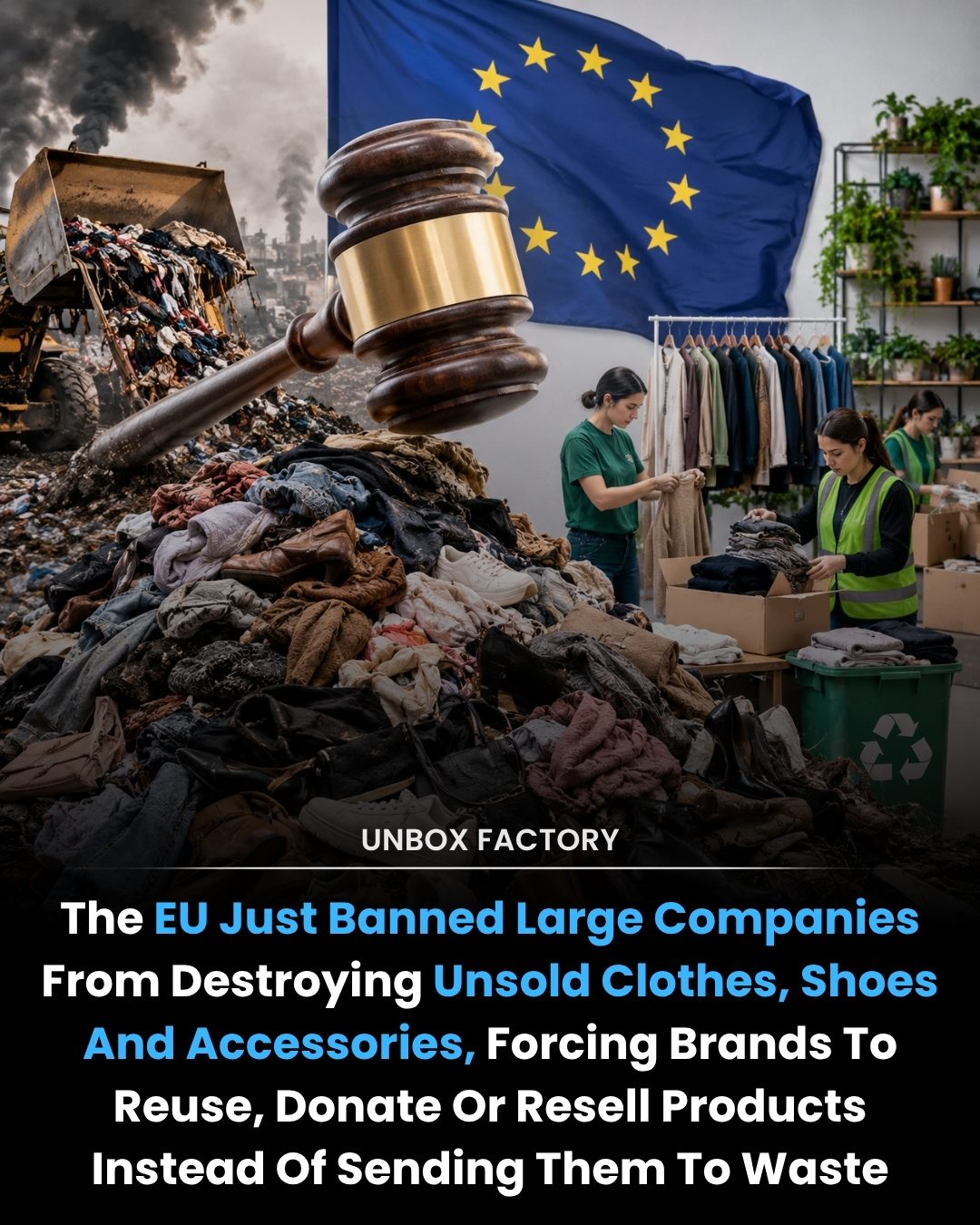
The EU's Ban on Textile Waste: A New Era for the Fashion Industry
The European Union has taken a significant step towards sustainability by introducing new Ecodesign regulations that prohibit large companies from destroying unsold clothing, footwear, and accessories. This ban aims to foster a more circular economy, compelling businesses to reuse, repair, donate, recycle, or resell excess inventory. The fashion industry is notorious for generating immense amounts of textile waste, with over 92 million tonnes produced annually. This waste is a major contributor to global carbon emissions, accounting for approximately 8–10%, which surpasses the emissions from international aviation and shipping combined.
Why This Matters
Textile waste is a pressing environmental issue, and the fashion industry plays a substantial role in its creation. The EU’s new regulations are a response to the urgent need for sustainability in the fashion sector. By banning the destruction of unsold goods, the EU is pushing for a more responsible approach to textile management. This shift not only reduces waste but also promotes a circular economy, where resources are kept in use for as long as possible, and waste is minimized.
The Scope of the Problem
The fashion industry's contribution to waste and carbon emissions is staggering. The production of new textiles consumes vast amounts of water, energy, and chemicals. According to the European Commission, the industry generates over 92 million tonnes of textile waste annually. This waste often ends up in landfills, where it decomposes slowly, releasing harmful greenhouse gases into the atmosphere. Additionally, the production of new textiles generates significant amounts of carbon dioxide, contributing to global warming.
The Impact of the Ban
The new ban will have a profound impact on how the fashion industry operates. Companies will no longer be able to simply dispose of unsold inventory. Instead, they will need to find alternative solutions, such as:
- Reuse: Reusing unsold goods by repurposing them for new products or repackaging them for resale.
- Repair: Offering repair services to extend the life of existing products.
- Donate: Donating unsold inventory to charities, non-profit organizations, or other causes.
- Recycle: Recycling materials from unsold goods to create new products.
- Resell: Creating resale channels to sell unsold inventory at a discounted price.
These methods will not only reduce waste but also create opportunities for innovation and new business models. For example, companies might start offering repair services, creating a new revenue stream while promoting sustainability.
Main Discussion
Reducing Textile Waste
The ban on destroying unsold textiles is a crucial step in reducing textile waste. By forcing companies to find alternative solutions, the EU is encouraging a shift towards a more sustainable industry. This will not only reduce the amount of waste generated but also promote a more circular economy, where resources are kept in use for as long as possible.
Promoting a Circular Economy
The fashion industry is moving towards a circular economy, where waste is minimized, and resources are kept in use for as long as possible. This new regulation by the EU is a significant step in this direction. By banning the destruction of unsold goods, the EU is pushing companies to find alternative solutions, such as reuse, repair, donation, recycling, or resale.
Increasing Transparency and Accountability
The new legislation requires companies to publicly disclose how they manage unsold goods. This will increase transparency and accountability across the retail sector. By requiring companies to disclose their waste management practices, the EU is ensuring that they are held accountable for their actions. This will not only promote sustainability but also empower consumers to make informed decisions about the brands they support.
Environmental Benefits
The environmental benefits of the ban are immense. By reducing textile waste, the fashion industry can significantly lower its carbon footprint. This will not only benefit the environment but also promote a more sustainable future. Additionally, the shift towards a circular economy will reduce the need for new textile production, further lowering the industry's environmental impact.
Economic Benefits
The ban on destroying unsold goods will also have economic benefits. Reusing, repairing, donating, recycling, or reselling unsold inventory can create new revenue streams for companies. This will not only promote sustainability but also drive economic growth. Additionally, the shift towards a circular economy will create new job opportunities, further boosting the economy.
Practical Tips
For Fashion Brands
Fashion brands can adopt several practical tips to comply with the new regulations and promote sustainability. Here are some suggestions:
- Invest in Reuse and Repair Services: Offering repair services can extend the life of products and create new revenue streams.
- Create Resale Channels: Developing resale channels for unsold inventory can help reduce waste and generate revenue.
- Partner with Charities: Donating unsold inventory to charities and non-profit organizations can help reduce waste and support good causes.
- Improve Supply Chain Management: Better supply chain management can help reduce the amount of unsold inventory generated in the first place.
- Promote Sustainability: Communicating sustainability initiatives to customers can enhance a brand's reputation and promote a more responsible industry.
For Consumers
Consumers can also play a role in promoting a more sustainable fashion industry. Here are some tips:
- Buy Less, Buy Better: Buying fewer, higher-quality items can reduce waste and promote sustainability.
- Support Sustainable Brands: Choosing brands that prioritize sustainability can promote a more responsible industry.
- Repair and Reuse: Repairing and reusing clothes can extend their life and reduce waste.
- Donate or Sell Unwanted Items: Donating or selling unwanted items can keep them out of landfills and give them a new life.
Important Takeaways
The EU's ban on destroying unsold textiles is a significant step towards a more sustainable fashion industry. By promoting a circular economy, increasing transparency and accountability, and reducing waste, the new regulations will have a profound impact on the industry. Fashion brands and consumers alike can play a role in promoting sustainability and reducing waste, creating a more responsible and environmentally-friendly future.
Conclusion
The EU's ban on destroying unsold textiles is a bold move towards sustainability. By forcing companies to find alternative solutions for unsold inventory, the EU is promoting a circular economy and reducing waste. This shift will not only benefit the environment but also create new economic opportunities. Fashion brands and consumers can both play a role in promoting sustainability, creating a more responsible and environmentally-friendly industry. The future of fashion is circular, and the EU’s new regulations are a significant step in the right direction.
Watch the Reel
Questions readers ask
What is the primary goal of the EU's new textile waste ban?
The primary goal is to reduce the fashion industry's environmental impact by preventing major brands from disposing of unsold clothes. The ban encourages these brands to adopt sustainable practices, such as reusing, repairing, or reselling excess inventory, promoting a circular economy.
Which companies are affected by the EU's ban on textile waste?
The ban primarily targets large fashion companies that generate significant amounts of textile waste. These are brands that produce and sell clothing, footwear, and accessories in substantial quantities.
What happens to unsold clothes under the new EU regulations?
Under the new regulations, unsold clothes must be managed sustainably. This means brands must find ways to reuse, repair, donate, recycle, or resell their excess inventory instead of disposing of it in landfills.
How does the EU's ban contribute to reducing carbon emissions?
By mandating that brands find sustainable solutions for unsold clothes, the EU aims to decrease the amount of textile waste that ends up in landfills. This reduction helps lower the fashion industry's carbon footprint, which is currently a significant contributor to global emissions.
What are some sustainable fashion solutions that brands can adopt?
Brands can adopt several sustainable practices, including setting up dedicated resale platforms to sell unsold items, partnering with charity organizations to donate clothes, or collaborating with recycling companies to repurpose old textiles for new products.
How does the EU's ban promote a circular economy in the fashion industry?
The ban encourages a circular economy by requiring brands to keep resources in use for as long as possible. This means brands must find ways to return excess inventory back into the market or repurpose it, minimizing waste and promoting a more sustainable fashion industry.
Related deep dives
Similar reads based on topic and creator.




Recent articles
Fresh deep dives from the latest Reels we unpacked.




Comments
Be the first to comment.